


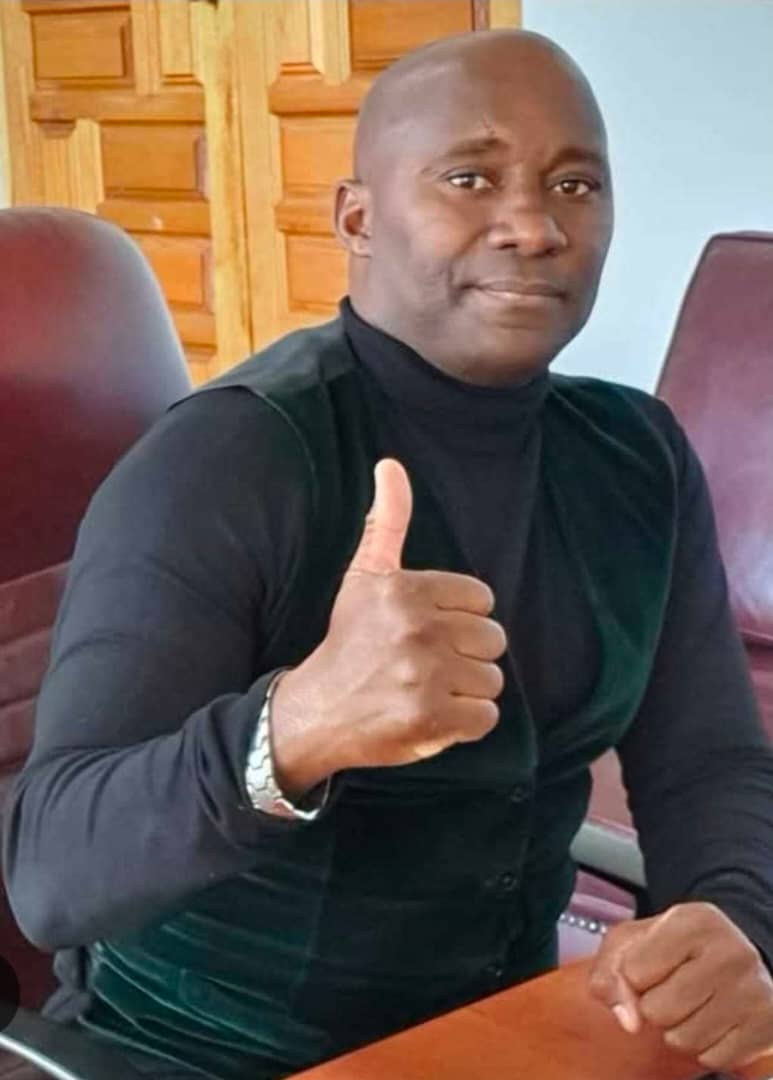

By Mining Index | Investigative Desk | Bindura, Zimbabwe — October 22, 2026
THE sudden exit of Managing Director Temba Kingsley Hlongwani from Botha Gold Mine has been presented as a routine leadership transition. But court filings reveal a far darker story: a company allegedly hijacked by its own executive, millions siphoned off under dubious contracts, and governance safeguards brazenly ignored.
A Mine Run Like a Personal Bank
In a sworn affidavit before the High Court, shareholder Tendai Chinyani accuses Hlongwani of treating Botha Mine as his “personal enterprise.” According to a document seen by this publication dated 16 October 2026 , allegations levied on Hlongwani include:
- US$45,000 monthly salary — fixed by Hlongwani himself, without board approval, and paid even as the mine struggled to meet its debts.
- Unrestricted withdrawals — company funds allegedly diverted to finance his personal operations.
- Conflicted contracts — a 25-year exclusive deal with Ouro Tanque (Private) Limited, a company Hlongwani is said to control, granting it one-third of Botha Mine’s revenue.
- Defiance of court orders — despite a 2024 High Court ruling removing him as executive chairman and director, Hlongwani allegedly continued to act as managing director, issuing instructions and representing the company.
- Irregular appointments — including installing Augustine Manyau as board chairman, who simultaneously became a director of Ouro Tanque, sitting on both sides of the controversial contract.
- Failure to keep records — in breach of section 182 of the Companies Act, leaving shareholders unable to scrutinize transactions.
The affidavit paints a picture of a mine stripped of accountability, where shareholder meetings devolved into shouting matches and threats whenever questions were raised.
The Ouro Tanque Deal: A Trojan Horse
The Ouro Tanque contract, signed in April 2022, was supposed to deliver infrastructure and profits. Instead, it allegedly became a siphon.
While the written terms promised Botha Mine 30% of Ouro Tanque’s profits, in practice the arrangement diverted 33% of Botha Mine’s revenue directly to Ouro Tanque — without deducting expenses. Since then, over US$3 million has reportedly been taken.
Even more troubling, Ouro Tanque is said to have expanded beyond processing into actual mining operations, effectively operating “as if it were the owner of the mine.”
Governance in Collapse
The High Court had already ruled in 2024 that Hlongwani’s control was unlawful, nullifying Sendoyi Trust’s shareholding and abolishing the executive chairperson post. Yet, according to Chinyani, the ruling was ignored.
Instead, Hlongwani allegedly entrenched himself further, using his claimed investments as justification while failing to produce verifiable records. Meanwhile, directors with dual loyalties — like Manyau — ensured the Ouro Tanque arrangement remained untouched.
The result: a company that now “operates as though it were a subsidiary of Ouro Tanque,” with shareholder rights steadily eroded.
Official Response: Continuity, Not Accountability
On October 21, Botha Gold Mine issued a public notice thanking Hlongwani for his service and assuring stakeholders that operations would continue uninterrupted. It emphasized that Hlongwani “no longer holds authority to represent, transact business or enter into new commitments on behalf of the Company.”
But the notice was silent on the allegations now before the courts — allegations that, if proven, expose systemic governance failures and a deliberate defiance of judicial authority.
What’s at Stake
For minority shareholders like Chinyani, the stakes are existential. “The value of my shareholding is being steadily diverted,” he warns, adding that if the conduct continues, shares will be “rendered worthless.”
The case now before the High Court seeks to cancel the Ouro Tanque contract, remove conflicted directors, and enforce the 2024 order. It is not just a battle over one mine — it is a test of whether Zimbabwe’s corporate governance laws can protect shareholders against entrenched insiders.


