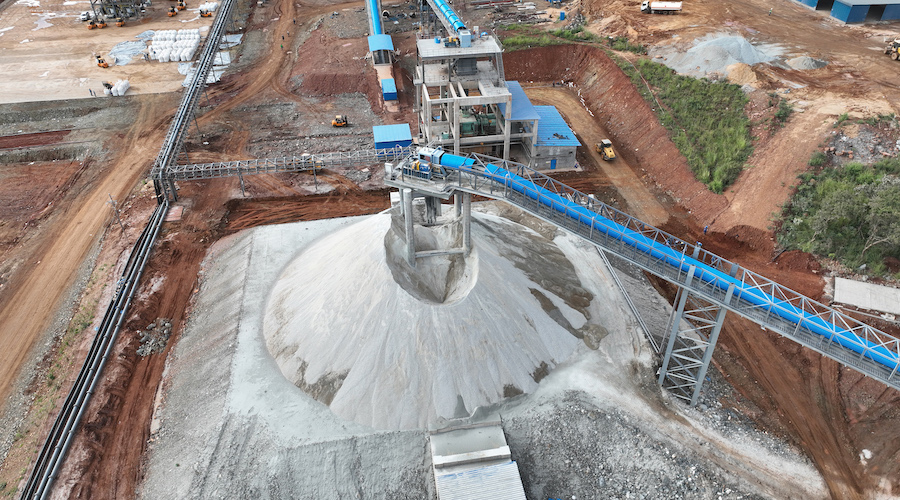

Zimbabwe’s push to process more of its minerals at home is rapidly reshaping the mining sector, with lithium emerging as the biggest beneficiary of the country’s value-addition drive and helping lift mineral sales beyond the US$5 billion mark for the first time.
Figures released by the Minerals Marketing Corporation of Zimbabwe (MMCZ) show that minerals marketed through the state agency generated US$5.013 billion between January 1 and October 27, 2026, more than double the US$2.411 billion recorded during the same period in 2025.
The dramatic growth comes despite export volumes increasing by only 23.4 percent, highlighting how beneficiation policies are generating significantly higher returns from each tonne of mineral exported.
At the centre of the transformation is lithium. The government’s ban on raw lithium exports has accelerated investment into local processing facilities, allowing producers to export higher-value concentrates instead of unprocessed ore.
Spodumene concentrate alone generated US$1.92 billion, accounting for nearly 40 percent of all MMCZ-marketed mineral sales. Revenue from the product surged by 382.6 percent compared with the previous year. Petalite concentrate recorded one of the fastest growth rates in the sector, rising more than forty-fold to US$190 million, from just US$4.5 million during the comparable period in 2025.
The platinum sector also remained a major contributor to export earnings. Platinum Group Metals (PGM) matte generated US$1.30 billion, while PGM concentrates contributed US$492 million, reflecting continued demand for Zimbabwe’s refined mineral products.
The figures underscore a broader shift in Zimbabwe’s mining industry from volume-driven exports to value-driven exports, with policymakers increasingly prioritising local beneficiation as a strategy to maximise foreign currency earnings.
Notably, the MMCZ statistics exclude gold and silver sales, which are separately handled through Fidelity Gold Refinery. With gold deliveries estimated to have generated more than US$5 billion by September, mining analysts believe the country’s overall mineral earnings are approaching the US$10 billion threshold this year.
While the record earnings demonstrate the potential of Zimbabwe’s beneficiation agenda, industry players say continued investment in processing infrastructure, reliable power supplies, and transport networks will be critical to sustaining growth and unlocking further value from the country’s vast mineral resources.