
A dramatic spike in mining fatalities has reversed Zimbabwe’s recent safety gains, with approximately 150 miners killed in roughly 140 registered accidents during the first nine months of 2026.
The surge represents a severe regression from 2025, when total annual fatalities dropped to 132, and has prompted urgent demands from government engineers and technical experts for immediate occupational safety and engineering interventions.
The escalating crisis is heavily concentrated within the artisanal and small-scale mining (ASM) sector, which accounts for over 75 percent of the nation’s gold output and sustains half a million livelihoods.
Data from the Ministry of Mines and Mining Development indicates that structural failures remain the deadliest threat to miners, with ground collapses alone causing 54 percent of all recorded fatalities in the first quarter of the year. Improper blasting techniques and underground gas poisoning accounted for an additional 25 percent of the deaths.
Technical assessments reveal that the high mortality rate is directly linked to substandard underground infrastructure.
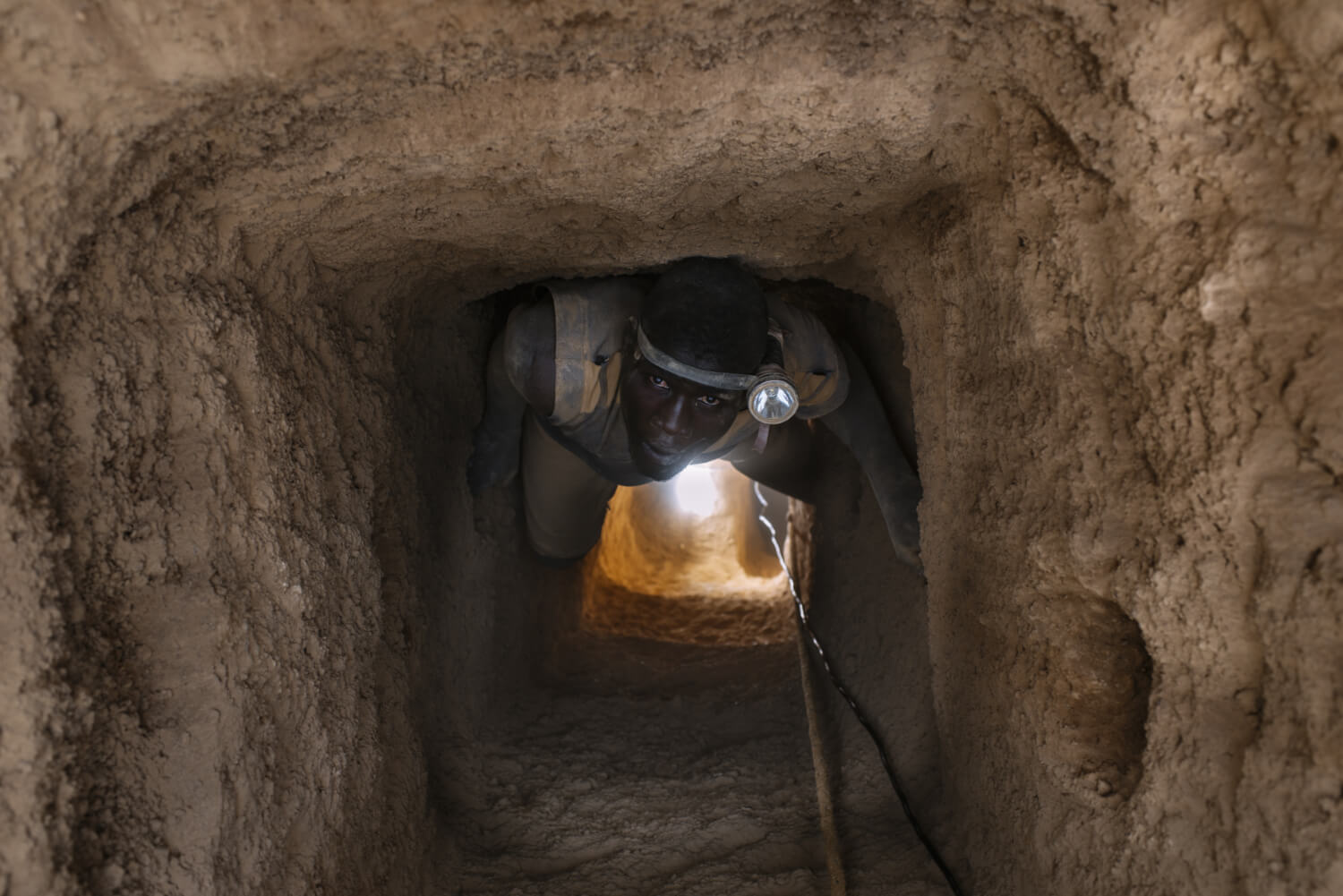
Investigators have cited widespread use of unsupported hanging walls, a lack of standard timbering or roof-bolt support, and the high-risk practice of sinking deep shafts without secondary escape outlets.
These structural vulnerabilities frequently trap workers underground when shafts succumb to shifting earth or heavy rain.
In response to the crisis, professional bodies are mobilizing to introduce targeted technical support.
Addressing the Zimbabwe National Institute of Rock Engineering (ZINIRE) annual general meeting in Victoria Falls, technical leaders challenged innovators and engineers to design cost-effective, practical ground-support systems tailored specifically for shallow, small-scale underground operations.
Experts argue that bringing professional rock mechanics to small-scale sites is critical to stabilizing weak rock formations before they collapse.
Concurrently, regulatory and educational institutions are moving toward stricter enforcement and capacity building.
Deputy Chief Government Mining Engineer Tapererwa Paswavaviri stated that the mining industry must transition from reactive post-accident investigations to predictive, engineering-led designs and cross-disciplinary safety monitoring.
To support this mandate, the Zimbabwe School of Mines (ZSM) has intensified its rollout of mandatory safety and occupational health training programs for small-scale syndicates, maintaining that a strict target of zero fatalities is the only acceptable baseline for the sector’s future.