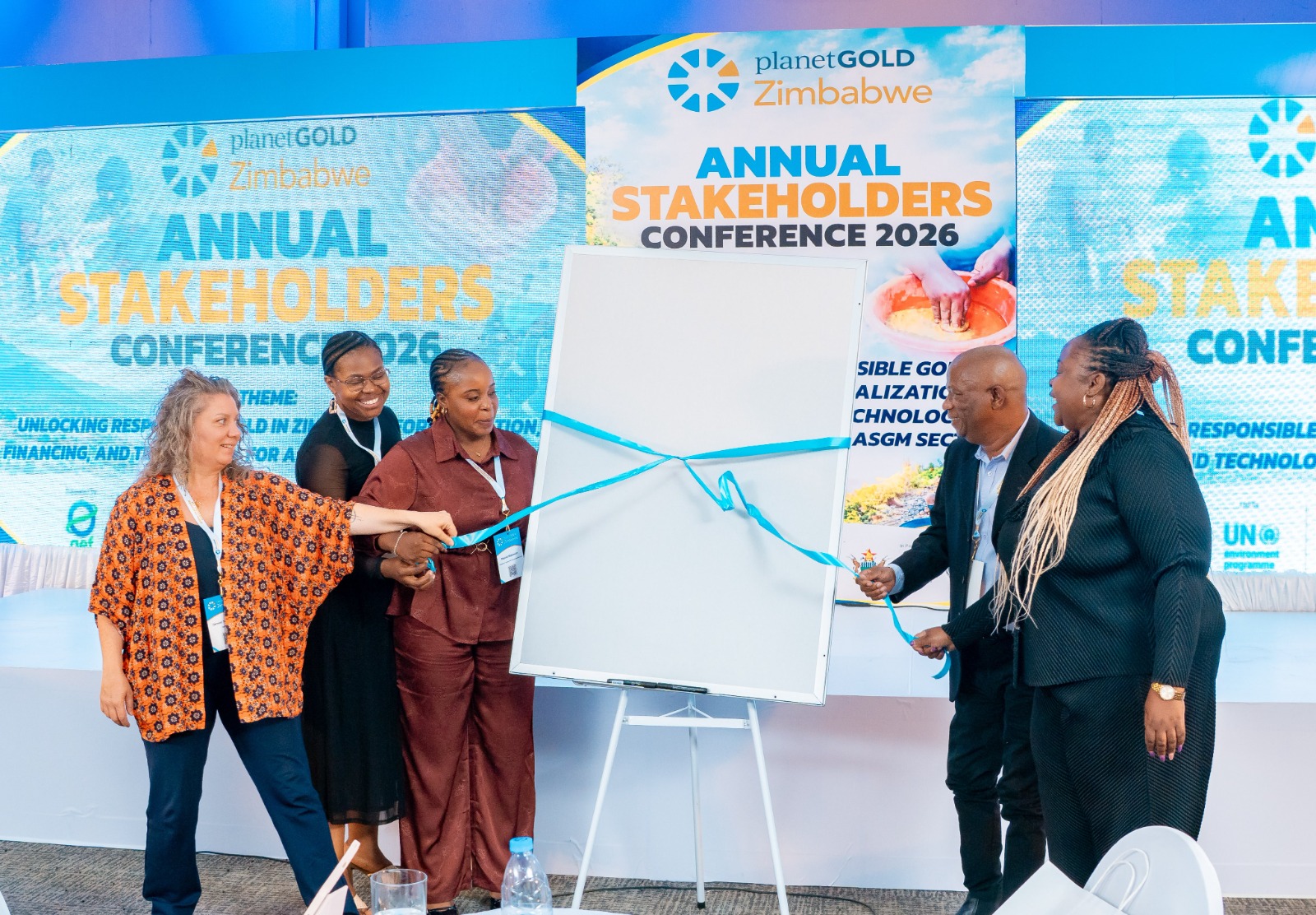

The planetGOLD Zimbabwe Project has launched a landmark regulatory framework to completely overhaul the country’s artisanal and small-scale gold mining sector, deploying a comprehensive roadmap to transition hundreds of thousands of miners from informal survival mining into a regulated, mercury-free economic sector.
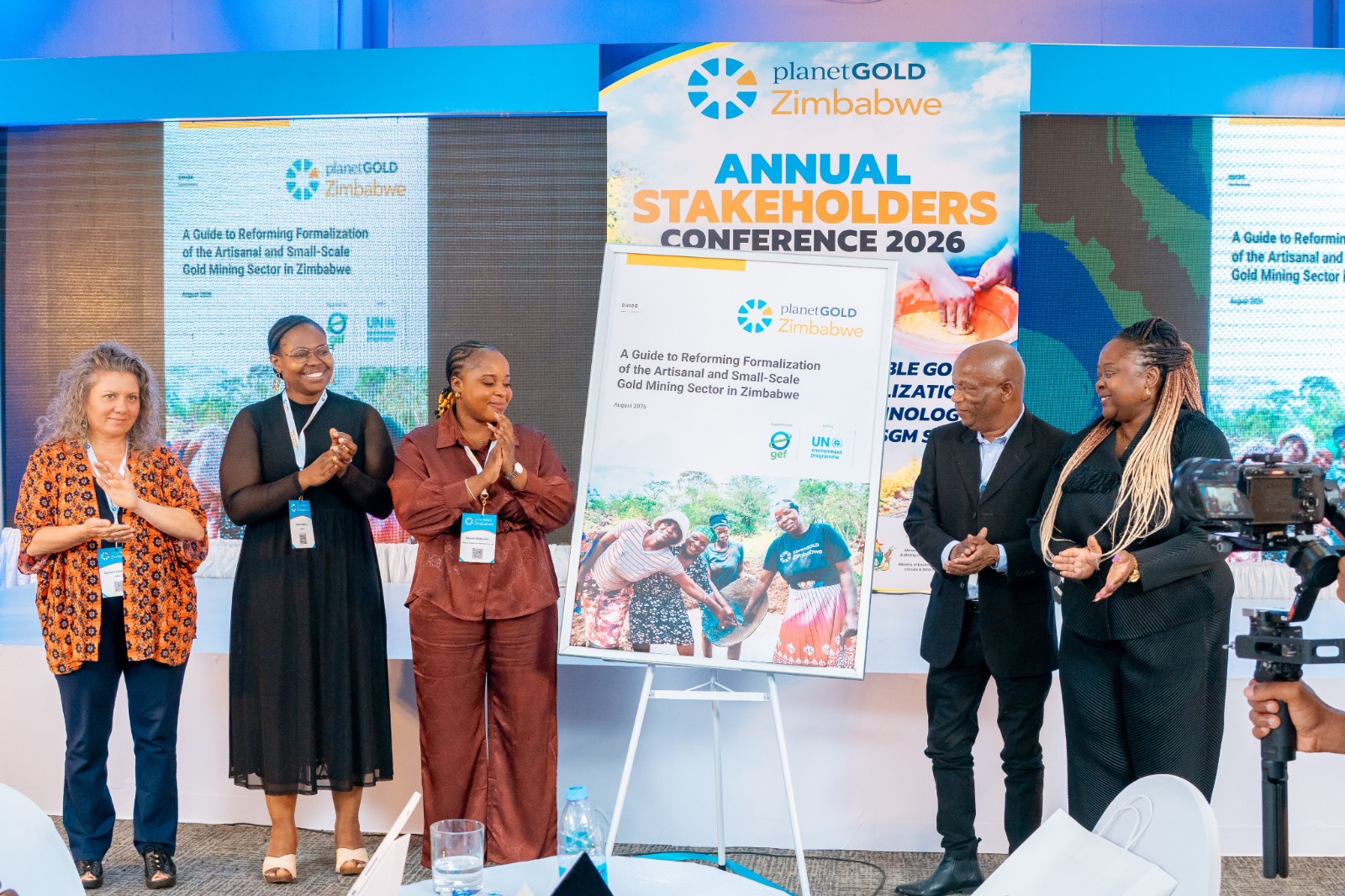
The publication, titled “A Guide to Reforming Formalization of the Artisanal and Small-Scale Gold Mining Sector in Zimbabwe,” establishes a five-step technical strategy to eliminate toxic chemical dependencies while preserving the economic baseline of rural mining communities.
With the artisanal and small-scale gold mining sector currently contributing more than 65 percent of Zimbabwe’s total national gold output, the initiative addresses a critical economic pillar that supports over 500,000 livelihoods, yet remains severely burdened by environmental hazards.
The newly unveiled reform guide introduces a multi-layered transition strategy designed to eliminate structural barriers to compliance and incentivize miners to enter the formal economy.
To achieve this, the guide first advocates for the upcoming Mines and Minerals Bill to legally differentiate between artisanal and small-scale miners based on their actual operational capacities, ensuring licensing structures are accessible and protective rather than punitive.
Regulatory bodies will simultaneously establish a specialized mining academy to systematically train miners in environmental management, occupational safety, and official gold-processing techniques.
Crucially, the roadmap outlines a framework to collaborate with domestic financial institutions to unlock micro-loans, savings products, and credit guarantee schemes, allowing miners to afford the capital investments needed to acquire mercury-free processing technology.
By streamlining gold marketing and supply chain transparency, the framework further aims to ensure that selling through official state channels like Fidelity Gold Refineries is logistically simpler and more financially lucrative than illegal black-market avenues, while shifting state enforcement away from sudden criminalization and toward risk-based compliance.
At the core of this entire reform guide is an aggressive environmental directive targeting the eradication of mercury. Currently, an estimated 96 percent of artisanal mining sites across Zimbabwe rely heavily on mercury to extract gold, releasing toxic vapours and runoff that endanger local ecosystems, water tables, and human health.
To counteract this, the planetGOLD initiative funded by the Global Environment Facility and implemented by the United Nations Development Programme alongside Zimbabwe’s Ministry of Mines and Mining Development aims to reduce national mercury use by 4.85 tonnes over its five-year lifespan.
The project is slated to support more than 7,500 miners across 11 target districts, improving the sustainable management of roughly 76,000 hectares of land.
Rather than enforcing blanket bans that could drive operations further underground, planetGOLD is conducting rigorous laboratory ore-testing to design custom, locally fabricated, mercury-free processing machinery.
These grid-independent technologies are tailored to the distinct geological profiles of eight pilot districts, proving to miners that environmental compliance can coexist with high gold-recovery efficiency, and ultimately providing state regulators with a clear, realistic pathway to transform a volatile informal trade into a transparent, safe, and highly productive green industry aligned with the international Minamata Convention on Mercury.