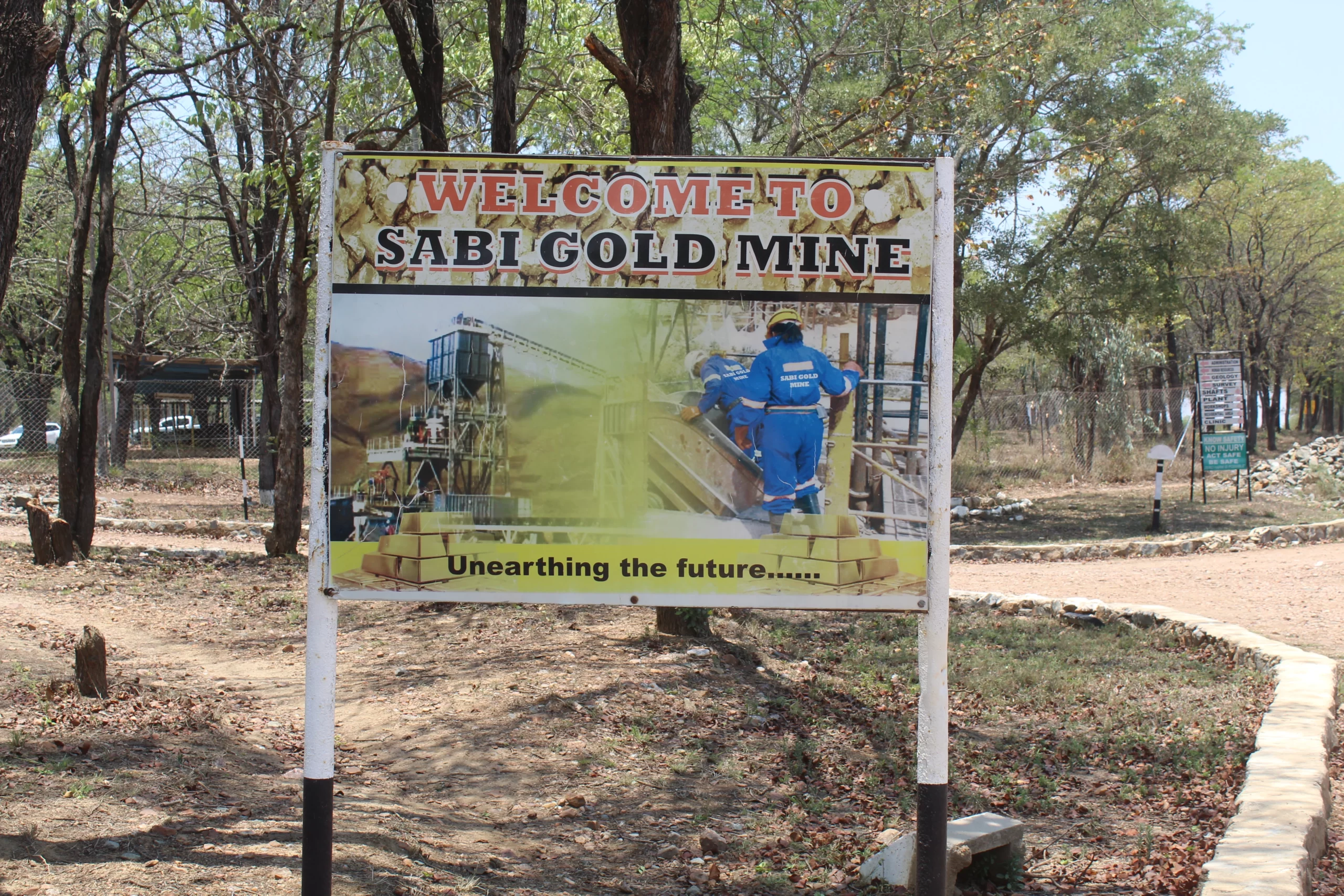

In a major structural shift aimed at formalising the informal gold sector, Sabi Gold Mine commissioned a US$1 million community processing centre capable of integrating more than 600 local artisanal miners into the mainstream economy.
Announced at the just ended planetGOLD Zimbabwe Annual Stakeholders Conference, the strategic infrastructure deployment marks a decisive pivot away from adversarial enforcement toward a community-based co-management framework in one of the country’s most volatile mining districts.
The state-of-the-art facility processes roughly 100 tonnes of gold ore per day, offering a centralised lifeline to informal miners who traditionally rely on dangerous, rudimentary, and highly inefficient extraction methods.
Under the operational mechanics of the new hub, artisanal miners receive an immediate 50% share of recovered gold from the initial milling stage.
Sabi Gold retains the remaining 50% of the tailings for secondary chemical leaching, using its industrial capacity to extract residual value that would otherwise be lost to primitive processing techniques.
Crucially, the mine’s management confirmed that corporate revenues generated from this asset-sharing model are being strictly ring-fenced for local social infrastructure.
Proceeds are already being diverted into drilling clean-water boreholes, upgrading regional clinics, and expanding primary schools across the Zvishavane district.
This structural reinvestment serves a dual purpose: it directly improves the material conditions of the host community while providing a legal, regulated alternative to the hazardous syndicates that dominate the informal gold trade.
By lowering the barrier to industrial-grade processing, the initiative targets the root causes of systemic leakages and environmental degradation in the Midlands Province.
Informal miners gain access to mechanised transport, crushing, and leaching systems that significantly boost their gold recovery rates, disincentivising the illicit smuggling of unrefined ore.
Furthermore, bringing hundreds of artisanal workers inside the fenced perimeter of a formal asset allows safety inspectors to enforce rigorous environmental and occupational hazards protocols, effectively mitigating the threat of shaft collapses that frequently plague unregulated pits.
Ultimately, Sabi Gold’s million-dollar gamble represents a scalable blueprint for the wider Zimbabwean mining sector, proving that corporate survival and artisanal formalisation are not mutually exclusive.
By converting a historical source of security friction into a formalized, high-yield partnership, the initiative transforms thousands of tons of subsistence ore into a stable engine for regional development and state-regulated mineral wealth.