
Zimbabwe’s hopes of joining Africa’s emerging energy producers are set to face a crucial test, with Australia-listed Invictus Energy preparing to drill a new exploration well that could unlock additional resources in the Cabora Bassa Basin and strengthen the case for large-scale gas development.
The State of African Energy 2027 Outlook Report identifies the Cabora Bassa Project as one of the continent’s frontier exploration opportunities, with Invictus expected to spud the Musuma-1 well as its third exploration campaign in the basin.
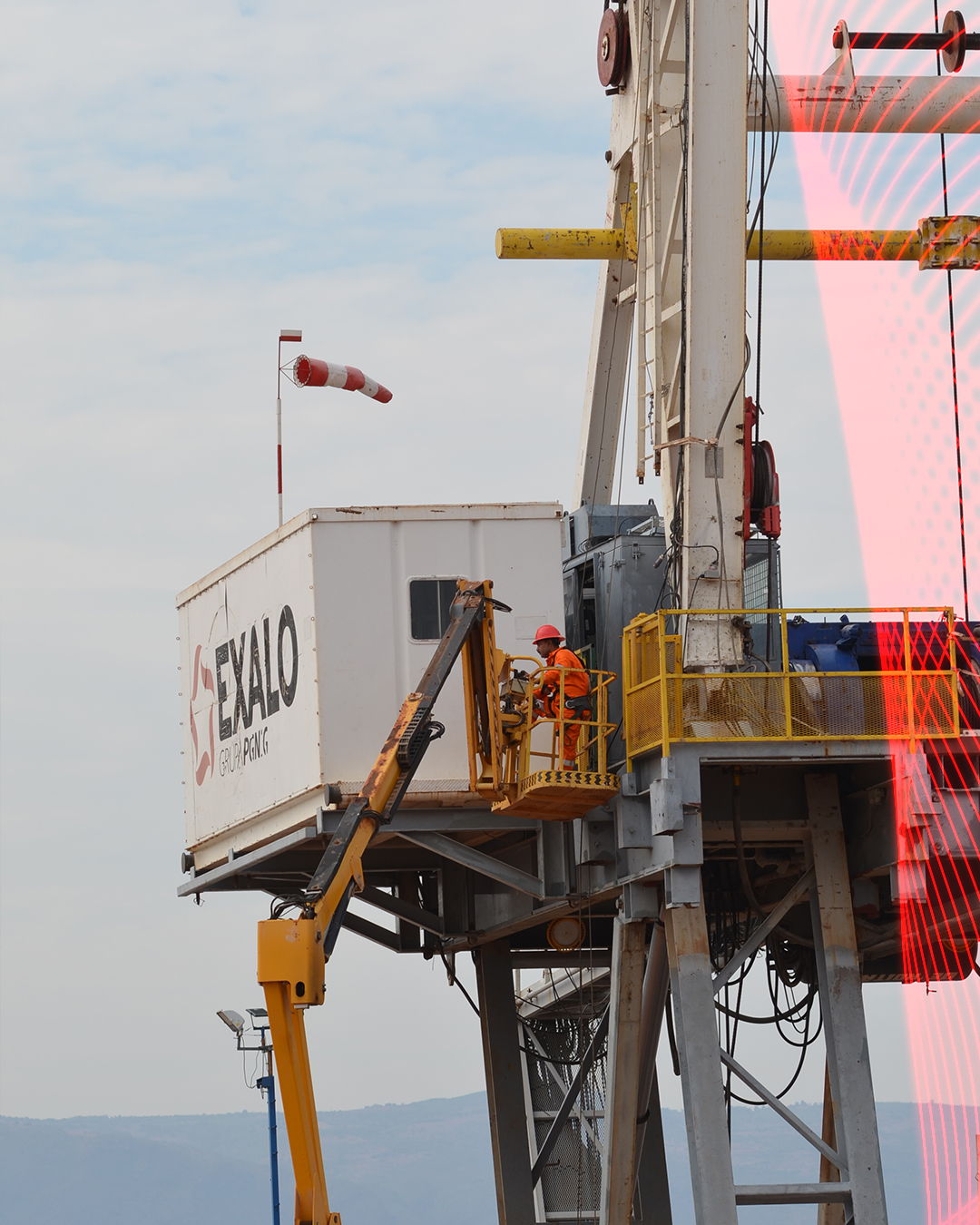
However, the spudding of the Musuma-1 exploration well seems imminent, with the well targeting gross mean unrisked prospective resources of 1.2 Tcf of gas and 73 MMbbl of condensate. Exalo Rig 202 is on site with rig-up complete, and drilling is set to begin shortly.Musuma-1
The report says the well will be drilled outside the existing Mukuyu discovery area and target a separate geological play in the Mid- to Upper Jurassic Dande Formation. Musuma-1 is planned as a vertical well reaching approximately 1,500 metres.
What makes the prospect particularly significant, according to the report, is the presence of what geologists regard as direct hydrocarbon indicators.
The Musuma prospect “was selected based on direct hydrocarbon indicators in seismic data, including updip brightening and a consistent flat spot observed in the Mid- to Upper Jurassic Dande Formation across multiple seismic lines and survey vintages.”
The prospect is one of eight targets identified from Invictus’ CB23 seismic survey within the EPO 1848 licence area, highlighting what the report describes as growing exploration potential in the basin.
The African Energy Chamber report links the success of Musuma directly to the commercial future of the wider project.
“If drilling at Musuma is successful, it could add to the resource potential alongside the Mukuyu 2 gas discovery made in two gas-condensate reservoirs,” the report states.
Mukuyu-2 previously encountered gas-condensate in the Lower and Upper Angwa formations, providing the first evidence that the basin may contain commercially viable hydrocarbon accumulations.
Industry analysts say a second discovery would be particularly important because it would shift perceptions of Cabora Bassa from a single-field opportunity to a potentially broader gas province.
The report argues that a successful Musuma outcome would do more than simply add reserves.
“A new discovery would provide additional options for Mukuyu and help establish a foundation for full-field development in the Cabora Bassa Basin in line with Invictus’ early gas monetization strategy.”
The project comes as African governments increasingly seek to develop domestic energy resources to support industrialisation, power generation and energy security. Throughout the report, the African Energy Chamber stresses that gas is becoming an increasingly important fuel for African economies seeking to expand electricity access and industrial output.
For Zimbabwe, a commercially successful Cabora Bassa development could ultimately reduce dependence on imported energy while providing feedstock for future power generation and industrial projects, although the report notes that exploration success remains the critical first step.
As investors look beyond the continent’s established oil and gas producers, the forthcoming Musuma-1 well may become one of the most closely watched energy tests in Southern Africa. A positive result would not only expand Zimbabwe’s resource base but could mark the beginning of commercial hydrocarbon production in a country better known globally for its mineral wealth than for oil and gas resources.