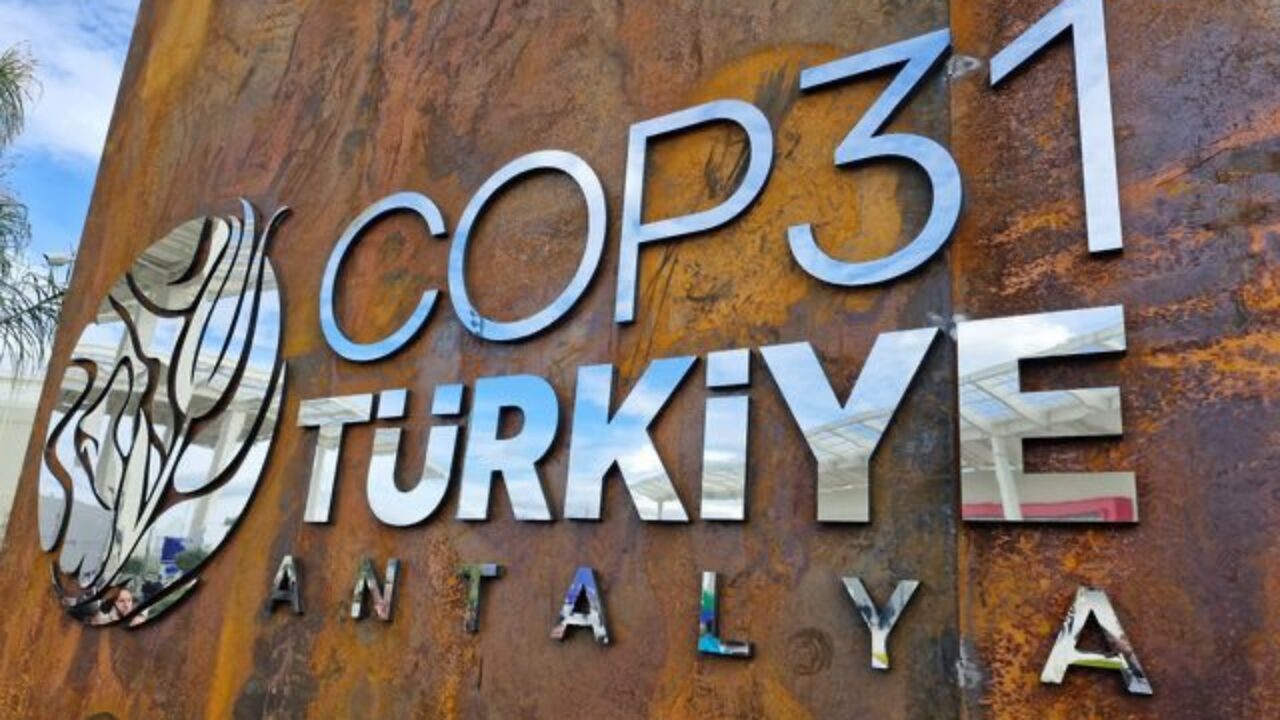

The longest United Nations climate conference on record ended without a deal on November 22, 2026, after nearly two weeks of negotiations and two days of overtime failed to bridge divisions among almost 200 countries.
The collapse of COP31 marked the most significant setback in global climate diplomacy since the Copenhagen summit in 2009, leaving negotiators without a final agreement and raising concerns about the future of international climate cooperation.
At the centre of the dispute was the proposed Antalya Pact, whose final draft omitted any direct reference to fossil fuels, despite widespread scientific consensus that coal, oil and gas are the primary drivers of global warming.
Earlier versions of the text had included multiple references to fossil fuels, but these were removed following objections from major oil- and gas-producing nations. The final proposal instead focused on technologies such as carbon capture and storage and made only indirect references to previous climate commitments.
The omission drew strong opposition from a coalition of countries led by the European Union, the United Kingdom, small island states and several Latin American nations, which argued that a climate agreement without explicit commitments on fossil fuels lacked credibility.
During a tense closing plenary, delegates openly challenged the draft, with nearly 40 countries formally objecting to its adoption. Faced with the growing opposition, COP31 President Murat Kurum acknowledged that consensus could not be achieved.
In addition to disagreements over fossil fuels, developing and climate-vulnerable countries expressed frustration over the lack of concrete financial commitments from wealthier nations. Many argued that adaptation funding to help poorer countries cope with worsening climate impacts remained insufficient and was overshadowed by debates over emissions reduction language.
Negotiators also pointed to broader geopolitical challenges that complicated efforts to reach a compromise. The absence of the United States from the talks for a second consecutive year and concerns over divided summit leadership were cited as factors that weakened prospects for a breakthrough.
COP31 was also notable for formally addressing the likelihood that global temperatures will temporarily exceed the critical 1.5°C warming threshold, underscoring the urgency of accelerating emissions reductions worldwide.
Reacting to the outcome, UN Secretary-General António Guterres expressed disappointment at the failure to secure an agreement, warning that scientific evidence on climate change remains unequivocal despite political divisions.
While previous climate commitments remain in force, negotiators now face the challenge of rebuilding trust ahead of interim UN climate talks scheduled for Bonn in June 2027 and COP32, which is set to be hosted in Addis Ababa, Ethiopia.