
State-owned Sandawana Mine is accelerating efforts to establish local lithium processing capacity as the countdown begins to Zimbabwe’s ban on lithium concentrate exports, a policy that will require producers to shift to higher-value products from January 1, 2027.
The mine, owned by Mutapa Energy Resources, has extracted 2.9 million tonnes of lithium ore since January while advancing plans for a US$330 million concentrator plant, a key component of the country’s mineral value-addition strategy.
However, company executives have acknowledged that the project is running behind schedule due to financing challenges, raising questions about whether the operation will fully meet the government’s beneficiation targets within the prescribed timeframe.
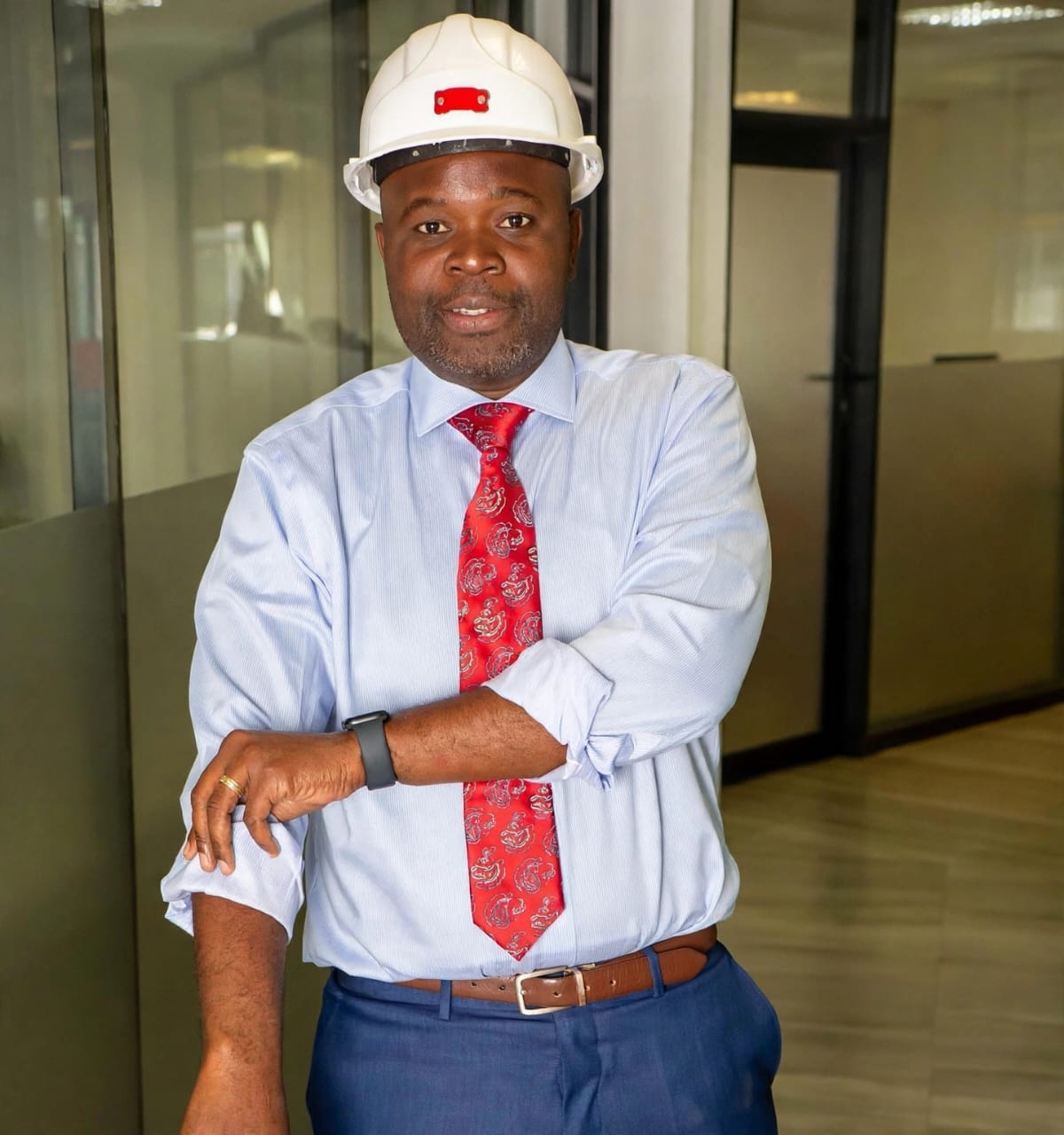
Speaking during a familiarisation tour by the Parliamentary Portfolio Committee on Mines and Mining Development, Mutapa Energy Resources chief executive officer Innocent Rukweza said the company remains committed to developing domestic processing facilities despite significant capital constraints.
Zimbabwe’s lithium producers are expected to halt exports of concentrate by the end of December 2026 and transition to the export of lithium sulphate under the Government’s value-addition framework aimed at increasing local industrialisation, employment and export earnings.
Mr Rukweza said Sandawana is engaging potential partners to establish a lithium sulphate plant, which is expected to commence development next year as part of the mine’s long-term beneficiation roadmap.
While progress has been made on the project, the company has secured only about US$20 million in funding against an estimated US$200 million required for the concentrator plant.
To maintain production while processing infrastructure is being developed, Sandawana entered into a toll-treatment arrangement with Gwanda Lithium Company, which has processed approximately 310 000 tonnes of lithium concentrate on the mine’s behalf.
The company’s beneficiation plans are supported by a US$15 million exploration programme completed between 2022 and 2023, which confirmed sufficient mineral resources to sustain a concentrator plant capable of processing three million tonnes of ore annually.
Sandawana reported that it has mined 2.9 million tonnes of ore from its starter pit this year at an average lithium grade of 1.48 percent.
Beyond mining operations, the company has invested heavily in supporting infrastructure, spending more than US$65.3 million on a 52-kilometre access road, a 52-kilometre power line and a 16-kilometre water pipeline from the Mundi River in Mataga.
Plans are also underway to develop a road linking Sandawana to West Nicholson in Matabeleland South Province through a consortium-backed financing arrangement, a project expected to enhance transport connectivity and stimulate broader economic activity in the region.
The developments come as Zimbabwe intensifies efforts to build a domestic battery minerals value chain and capture greater value from its vast lithium resources. The country holds the largest known lithium reserves in Africa and is among the world’s leading lithium resource holders.
Parliamentary Portfolio Committee on Mines and Mining Development chairperson Remigio Matangira said expectations remain high for Sandawana to play a leading role in driving economic growth in Mberengwa through job creation, infrastructure development and community investment.
With less than two months before the concentrate export ban takes effect, Sandawana’s race to establish local processing capacity is emerging as one of the key tests of Zimbabwe’s lithium beneficiation policy and its broader industrialisation ambitions.