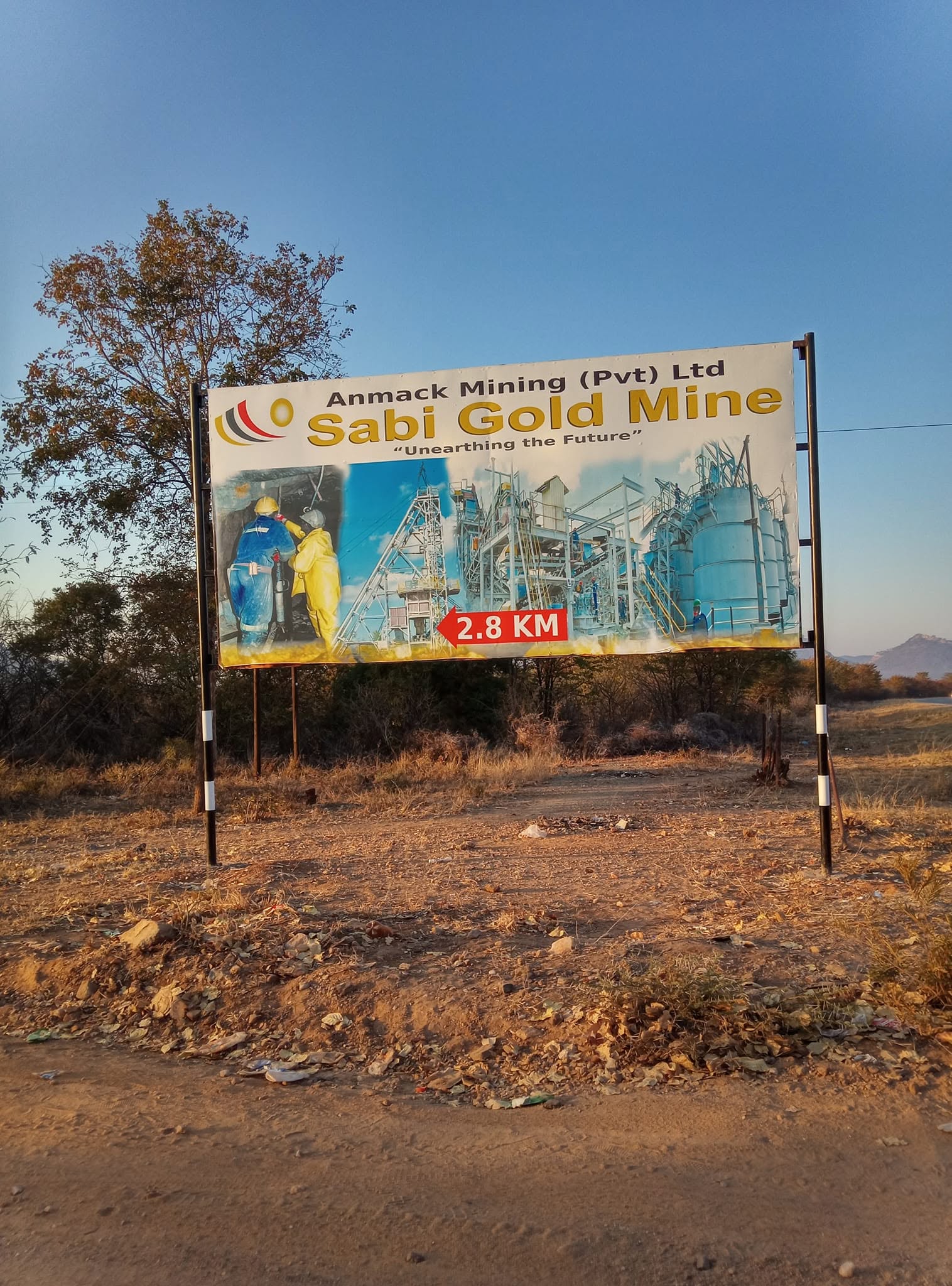

Sabi Gold Mine in Zvishavane has established a landmark formalisation model by awarding tribute agreements to more than 100 small-scale and artisanal mining groups, legally integrating over 600 miners into its concession area.
Small-scale and artisanal miners contribute more than 60% of Zimbabwe’s national gold production, making their formalisation critical to the sector’s sustainability and growth.
The initiative is underpinned by a custom-built processing centre valued at between US$1 million and US$1.2 million, providing miners with access to formal processing infrastructure while strengthening gold accountability and traceability.
The operation is built around a 50/50 revenue-sharing model:
Artisanal miners receive 50% of the gold recovered immediately after primary milling.
Sabi Gold Mine retains the remaining 50% in the form of gold-bearing tailings for further processing and leaching.
Revenue generated from the tailings is invested in community development projects, including schools, clinics and boreholes.
The model has transformed what was historically a source of conflict, including illegal gold panning and mining claim incursions, into a structured and mutually beneficial partnership between a large-scale mining company and artisanal miners.
Integrating Artisanal Miners
The Sabi Gold Mine model, together with initiatives supported by organisations such as planetGOLD Zimbabwe, demonstrates how large-scale mining companies can successfully integrate artisanal and small-scale miners into their operations while maintaining compliance, safety and productivity.
1. Securing Mining Rights and Legal Frameworks
Large-scale miners can formalise artisanal mining activities through structured tribute agreements issued under the Mines and Minerals Act. These legally binding arrangements define operational boundaries, depth limits and mining conditions while allowing the host company to retain ownership of the mining title.
Allocating designated shallow, oxide-rich mining areas to artisanal miners also helps prevent interference with long-term mechanised mining operations and reduces conflicts over mining claims.
2. Improving Occupational Health and Safety
Formalisation enables artisanal miners to access structured safety training and supervision. Through partnerships with institutions such as the Zimbabwe School of Mines, miners can be equipped with the skills required to minimise accidents, improve ventilation standards and adopt safer mining practices.
The model also helps address occupational health risks, particularly tuberculosis and silicosis, through improved dust suppression measures, health monitoring programmes and the provision of appropriate personal protective equipment.
3. Strengthening Environmental Compliance
One of the key environmental benefits of formalisation is the shift away from mercury-based gold recovery methods. By requiring miners to utilise centralised processing facilities or dedicated demonstration sites that employ gravity concentration and safer alternatives, large-scale mining companies can significantly reduce environmental contamination.
The host mine can also provide an environmental compliance umbrella through its existing Environmental Management Agency permits, ensuring proper waste management, tailings disposal and land rehabilitation.
4. Enhancing Gold Accountability and Reducing Leakages
Centralised processing facilities help channel gold production through formal systems by providing artisanal miners with accessible crushing, milling and processing services.
This approach strengthens traceability by ensuring gold produced from shared processing facilities is sold through formal channels, including Fidelity Gold Refinery, thereby reducing leakages to informal markets and supporting national mineral revenue collection.
The Sabi Gold Mine model is increasingly being viewed as a practical blueprint for formalising Zimbabwe’s artisanal and small-scale mining sector while promoting legal compliance, environmental stewardship, community development and sustainable gold production.