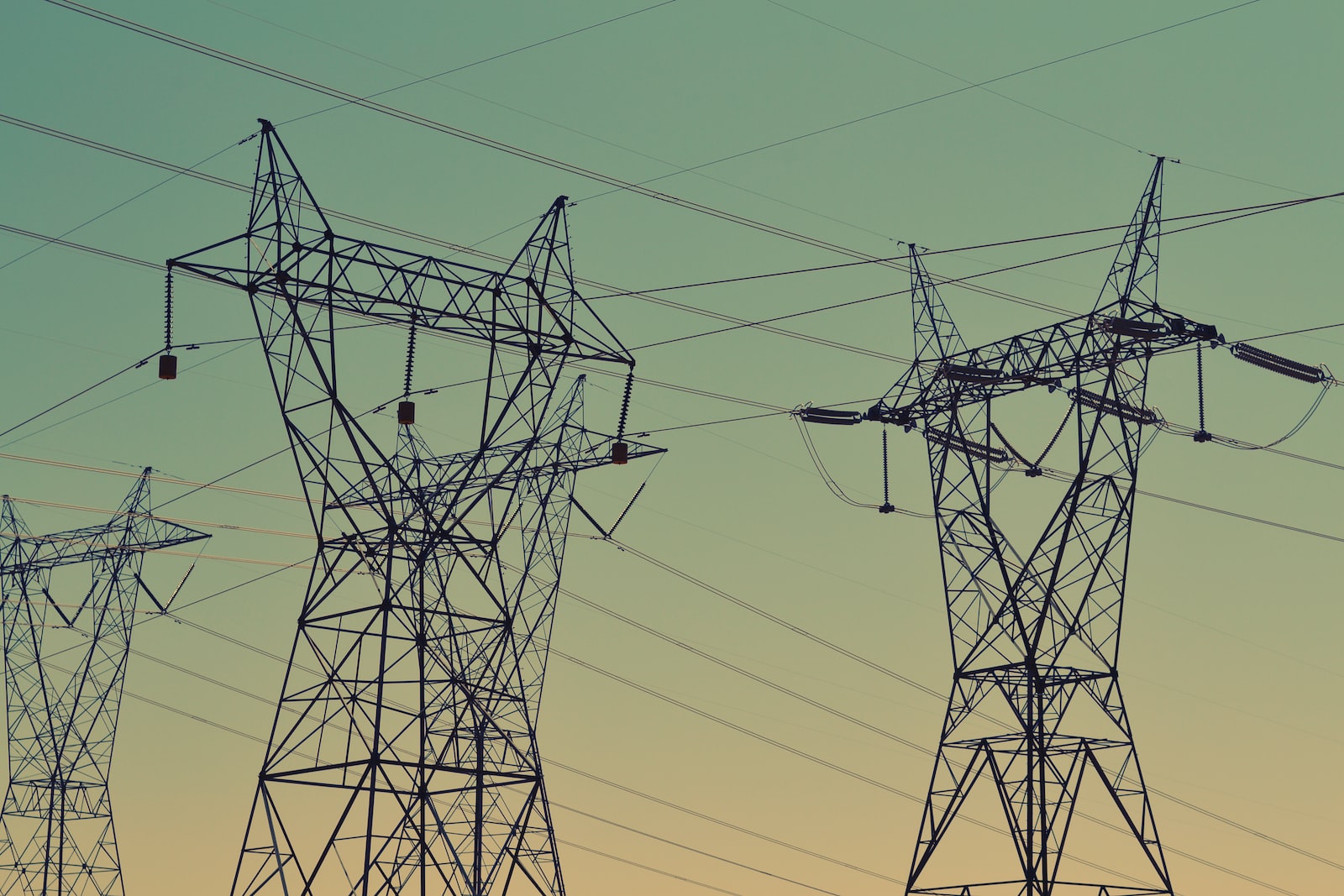

The Zimbabwe Electricity Supply Authority (ZESA) has pledged to guarantee a 24-hour uninterrupted electricity supply to the mining sector under a new priority customer policy that will place mines at the front of the queue during any future power shortages.
Speaking at the Association of Mine Managers of Zimbabwe (AMMZ) 54th Annual General Meeting and Conference in Nyanga, ZESA representative N. Siziba said the utility was committed to protecting mining operations from load-shedding, citing the sector’s critical contribution to the national economy.
The commitment comes as Zimbabwe experiences growing electricity demand driven by major investments in lithium, gold and platinum mining projects.
ZESA said mining remains a strategic industry that cannot afford prolonged power disruptions, noting that the sector contributes more than 76 percent of the country’s export earnings. For years, miners and the Chamber of Mines of Zimbabwe have pushed for ring-fenced power allocations, arguing that outages increase production costs through reliance on diesel generators and reduce productive operating hours.
The utility revealed that it has received 49 large-load power applications from mining companies, representing a combined demand of 1,906MVA, highlighting the scale of new projects entering the sector.
While ZESA reported achieving 316 consecutive days without deliberate nationwide load-shedding up to November 2025, it acknowledged increasing pressure on the national grid as industrial demand continues to grow.
Under its revised emergency contingency framework, the utility said mining and key industrial customers will receive priority electricity supplies during power deficits, while residential and other non-essential consumers may absorb a greater share of any supply cuts.
The strategy will be supported by a combination of domestic power generation, increased private-sector solar energy investments and regional electricity imports aimed at maintaining reliable supply to productive sectors of the economy.
However, the commitment comes amid ongoing concerns over generation vulnerabilities at the Kariba Hydroelectric Power Station and Hwange Thermal Power Station, which remain central to Zimbabwe’s electricity supply system.