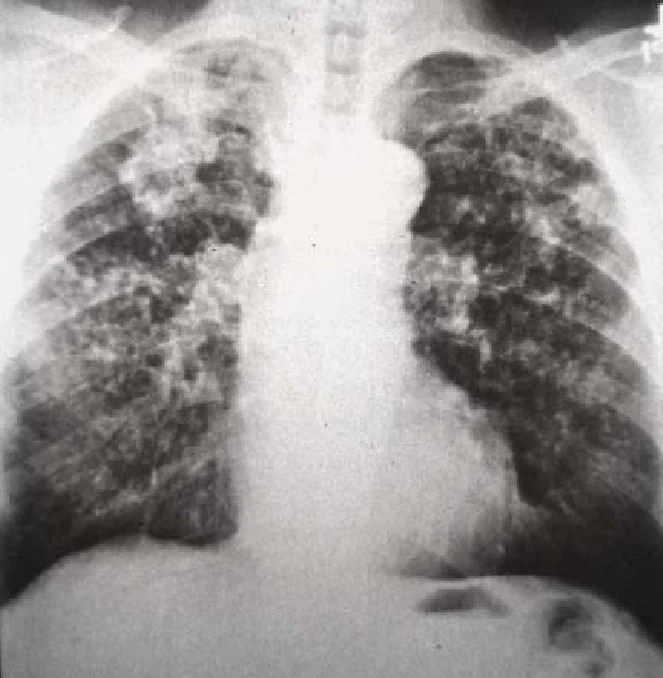

Medical surveillance data has revealed a growing silicosis epidemic among artisanal miners across Zimbabwe’s major mining hubs.
The irreversible and incurable lung disease, caused by prolonged inhalation of fine crystalline silica dust, has transitioned from a localized workplace hazard into a growing national public health emergency.
While a staggering spike in cases within the Midlands Province has dominated recent headlines, data from regional health referral networks indicates that the crisis is deeply entrenched across major artisanal gold mining districts throughout the country.
Midlands Province: Ground Zero of the Crisis
The most alarming figures have emerged from Kwekwe, where 161 active silicosis cases were admitted between January and August 2026.
Silicosis is an irreversible lung disease caused by inhaling fine crystalline silica dust generated during rock extraction processes like drilling, blasting, and crushing.
The eight-month period also saw five deaths recorded during August alone.
By comparison, the facility recorded just six admissions during the entire 2021 calendar year.
The statistics were compiled and verified by Kwekwe General Hospital under the supervision of Medical Superintendent Dr. Tinashe Gunda, working alongside the Kwekwe City Council Environmental Health Department.
The sharp rise in cases prompted a fact-finding visit by Parliament’s Portfolio Committee on Health and Child Care in August.
Manicaland Records Rising Cases
Health officials in Manicaland Province have also reported a worrying increase in occupational lung diseases among miners operating in Chimanimani, Chipinge, Mutare, Mutasa, and Nyanga districts.
Medical specialists at Victoria Chitepo Provincial Hospital in Mutare say growing numbers of young miners are presenting with advanced lung scarring, highlighting prolonged exposure to silica dust and delayed diagnosis.
Although consolidated provincial statistics remain difficult to establish due to the mobility of the artisanal mining workforce, health practitioners describe the trend as unprecedented.
Gwanda’s Mining Belt Under Scrutiny
In Matabeleland South, targeted screening campaigns in the Gwanda mining belt have identified hundreds of workers exposed to hazardous dust conditions.
Medical teams have also detected multiple dual-diagnosis cases involving both silicosis and active pulmonary tuberculosis (TB), a combination that significantly increases health complications and mortality risks.
The screening programme has been conducted using mobile digital X-ray units deployed directly to mining sites by Doctors Without Borders (Médecins Sans Frontières), working in collaboration with the Ministry of Health and Child Care.
Artisanal Miners Carry the Greatest Burden
Data from health facilities indicates that most silicosis patients are artisanal and small-scale gold miners aged between 25 and 54 years.
According to the Mine Ventilation Society of Zimbabwe (MVSZ), several structural factors are driving the surge in cases.
Foremost among these is the widespread use of dry drilling methods. Unlike large-scale mines that employ wet-drilling systems to suppress silica dust at source, many artisanal miners use hand-held pneumatic drills without water integration, generating dense clouds of respirable silica particles in confined underground workings.
A lack of appropriate personal protective equipment has compounded the problem. Many miners operate with basic cloth masks or no respiratory protection at all.
MVSZ has also raised concerns over primitive ore-processing methods, with crushing and milling frequently taking place in residential or community environments, exposing not only miners but also their families to harmful dust.
Why Large-Scale Mines Are Less Affected
While some silicosis patients being treated today are former employees of large mining operations who worked decades ago under weaker occupational health standards, newly contracted cases among workers in modern large-scale mines are comparatively rare.
Zimbabwe’s major mining houses operate under strict National Social Security Authority (NSSA) occupational health regulations.
These operations typically utilise industrial ventilation systems, wet-drilling technologies, continuous dust monitoring and regular employee health screenings.
This regulatory contrast has exposed a significant gap between formal and informal mining sectors.
MVSZ President Dr. Tonderai Chikande has warned that the current outbreak reflects this divide, arguing that affordable dust-suppression technologies and technical expertise must urgently be extended to the artisanal sector, which contributes a substantial share of Zimbabwe’s gold production.
A Growing Public Health Challenge
The rapid increase in silicosis cases presents a challenge that extends beyond the mining industry.
Unlike many occupational illnesses, silicosis is both irreversible and incurable.
Once lung tissue becomes scarred, treatment options are limited to managing symptoms and preventing further deterioration.
The disease also increases susceptibility to tuberculosis, raising the risk of additional public health complications.
As Zimbabwe’s mining sector continues to expand and artisanal production grows, health experts warn that stronger workplace safety enforcement, improved ventilation systems, wider access to respiratory protection and regular health screening programmes will be critical to preventing further loss of life.
The emerging data suggests that unless exposure risks are addressed urgently, silicosis could become one of the most serious occupational health crises facing Zimbabwe’s mining communities in decades.