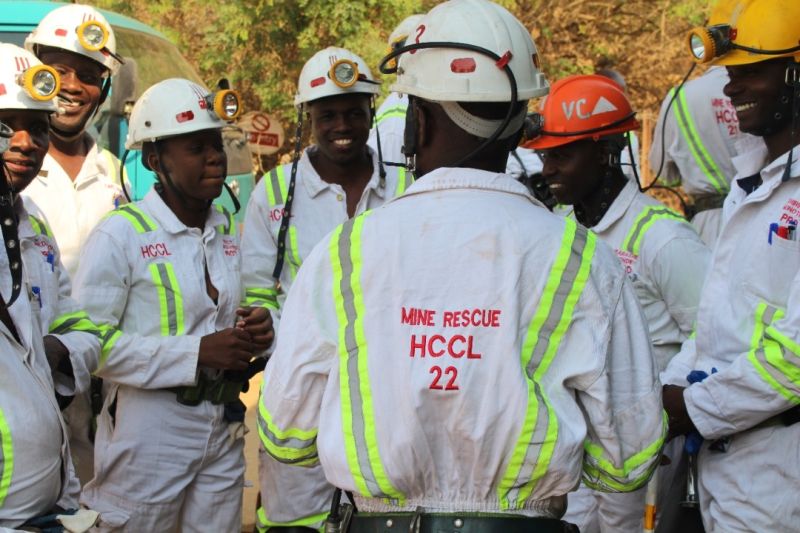

The Mine Rescue Association of Zimbabwe issued an urgent, industry-wide warning regarding the critical decline of emergency rescue capacities across the nation’s mining sector, exposing severe vulnerabilities in the state’s rapid-response infrastructure.
Sounded immediately following the conclusion of the 2026 Mine Rescue National Competition, this alarm highlights a dangerous disconnect between Zimbabwe’s aggressive mineral production drive and the safety systems meant to protect its workforce.
While corporate extraction volumes and national export earnings have surged dramatically toward historic multi-billion-dollar targets, the domestic capacity to respond to underground disasters has conversely fallen into a state of decay.
At the core of this operational crisis is a severe deficit in specialized equipment, compounded by an aging fleet of life-saving infrastructure.
Industry officials report an acute shortage of modernized, closed-circuit breathing apparatus and advanced thermal imaging technology, both of which are absolutely vital for navigating deep-level structural collapses or toxic underground fires.
This hardware deficiency is exacerbated by a shrinking pool of active, certified rescue technicians, a trend driven by underfunded training frameworks.
Smaller mining houses have increasingly neglected to bankroll continuous, standardized training, leaving the nation dependent on a dwindling number of elite teams to manage highly technical, life-threatening underground emergencies.
This strain on national rescue capabilities is further magnified by the explosive, largely unregulated expansion of artisanal and small-scale mining operations.
These decentralized sites frequently lack even rudimentary formal rescue protocols or defensive safety measures, yet they suffer the highest frequency of localized collapses and entrapments.
When disasters strike these informal plots, the burden of execution falls entirely upon the emergency teams of neighboring large-scale corporate mines, stretching their already depleted resources to a breaking point.
The current operational model has proven unsustainable, leaving both formal and informal operations exposed to catastrophic risk.
In response to these compounding failures, the association is demanding immediate, legally binding intervention from the Ministry of Mines and Mining Development.
Representatives are calling for a overhaul of safety compliance enforcement, specifically advocating for the mandatory pooling of corporate resources to establish centralized, rapid-response rescue hubs across the country’s major mining districts.
This push for institutional reform aligns with a concurrent government initiative to transition mine ventilation from a voluntary practice into a strict statutory requirement.
As the state moves to legally tighten occupational health standards, industry experts warn that any failure to simultaneously revitalize the nation’s emergency rescue apparatus will inevitably result in preventable losses of human life on a massive scale.