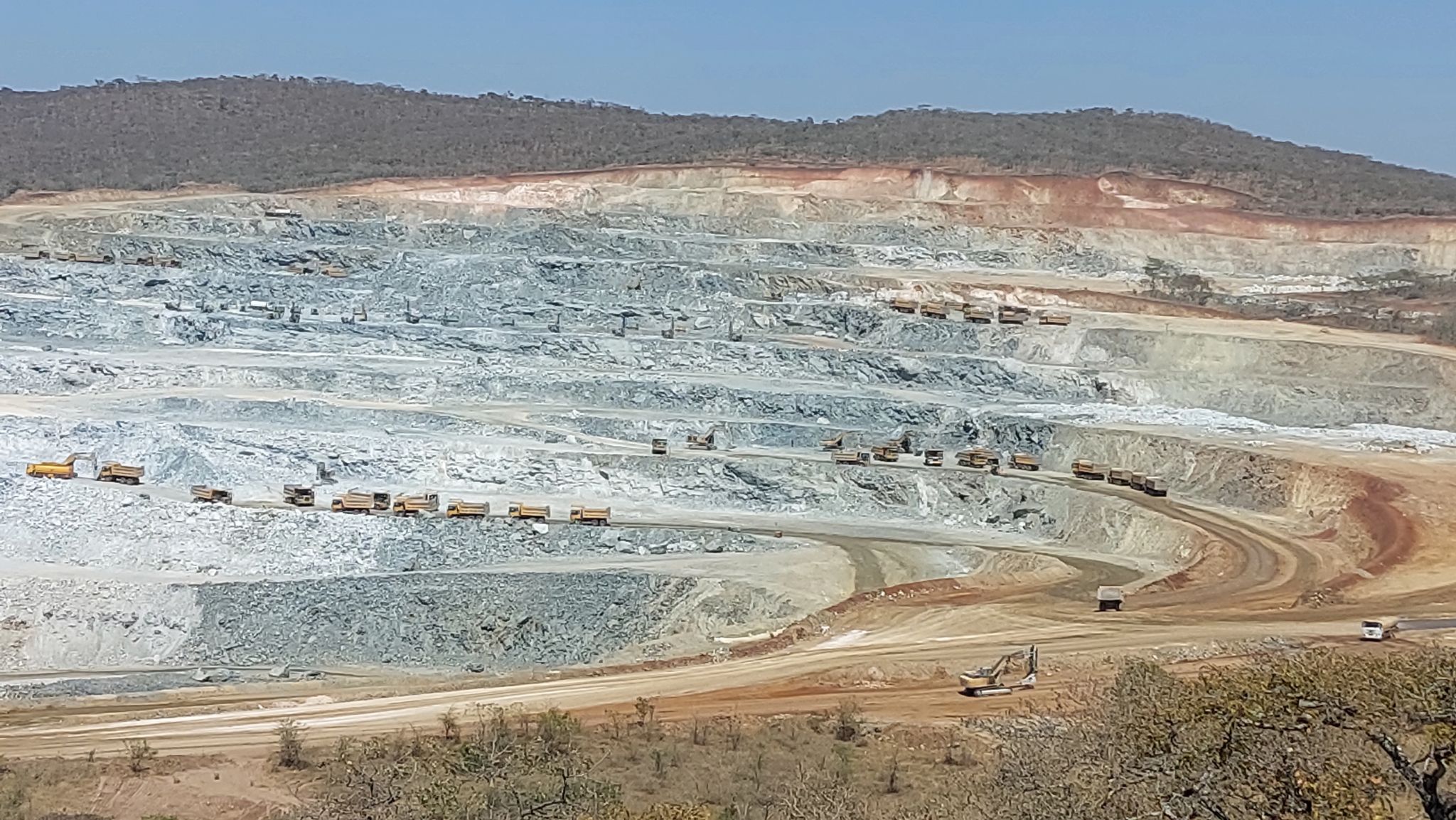

Zimbabwe’s aggressive transition from an exporter of raw mineral concentrates to a localized hub of lithium processing has officially moved past the realm of legislative ambition, entering a highly volatile and practical “test phase.”
This structural shift, anchored by the government’s uncompromising lithium sulphate directive and absolute bans on raw mineral exports, represents one of the most audacious experiments in contemporary African resource nationalism.
In its comprehensive policy analysis released on October 26, 2026, the African Sovereign Debt Justice Network (AfSDJN) provided a sobering evaluation of this transition, mapping out a complex economic landscape where rapid, state-enforced industrialization is running directly into severe infrastructural bottlenecks and deep-seated systemic risks.
On one hand, the sheer regulatory gravity of the state’s directive has successfully altered the behavior of global capital.
For decades, transnational mining conglomerates operating in developing nations resisted local value addition, citing high capital costs and local infrastructural deficits.
However, Zimbabwe’s hardline stance has proven that clear, unyielding regulatory frameworks can force a reallocation of corporate resources.
The results are visible in the rapid deployment of processing infrastructure across the country, exemplified by the milestone commissioning of Huayou Cobalt’s advanced lithium sulphate plant through Prospect Lithium Zimbabwe.
This wave of industrial investment is further underscored by Mutapa Energy Resources securing a massive US$300 million capital injection specifically targeted at localized beneficiation, alongside a broader cumulative total of US$1.59 billion in sector-wide investment approvals.
Crucially, these interventions have yielded immediate macroeconomic dividends, with lithium exports alone generating US$746 million in the first half of 2026, serving as a critical pillar of foreign exchange stability for a fragile national economy.
On the other hand, the AfSDJN analysis exposes a widening divergence between policy timelines and structural realities, warning that the immediate export bans were implemented well before adequate domestic processing capacity existed.
This chronological mismatch has created acute operational friction across the supply chain.
By late 2026, stockpiled concentrates began accumulating at mine sites as independent operators found themselves stranded without an outlet.
The country’s primary operational lithium sulphate facilities remain technically unequipped or legally unaligned to handle and refine third-party materials, effectively locking out smaller mining operations.
This capacity shortfall is further compounded by severe deficits in basic utilities; the country’s fragile electricity grid and constrained transport infrastructure threaten to turn upcoming regulatory deadlines into industry-wide choke points rather than catalysts for growth.
Ultimately, the AfSDJN analysis looks beyond immediate logistical hurdles to deliver a profound warning regarding sovereign wealth and long-term economic justice.
In a sector overwhelmingly dominated by foreign transnational corporations, merely transitioning from exporting raw ore to exporting foreign-owned lithium sulphate does not guarantee true fiscal liberation.
If the state cannot build a transparent, integrated domestic ecosystem that links value addition to the public fiscus, local businesses, and host communities, the policy risks reinforcing a cyclical extraction model.
As the absolute January 2027 compliance deadline rapidly approaches, the true test for Zimbabwe is not just whether it can physically process its minerals, but whether it can translate industrial output into a sustainable, debt-mitigating mechanism that retains wealth within its borders.