
International investors may be getting Zimbabwe wrong.
That is the central argument of a new report by ACF Equity Research, which contends that the market is significantly overpricing Zimbabwe’s investment risk despite growing evidence of capital flowing into the country’s mining sector.
The report, which initiated coverage of Ariana Resources plc, said the discount applied to the company’s Dokwe Gold Project reflects broader perceptions about Zimbabwe rather than the quality of the asset itself.
“We think the market prices Zimbabwe as one of the riskiest places in the world to build a mine, while the macro and investment evidence points the other way,” ACF said.
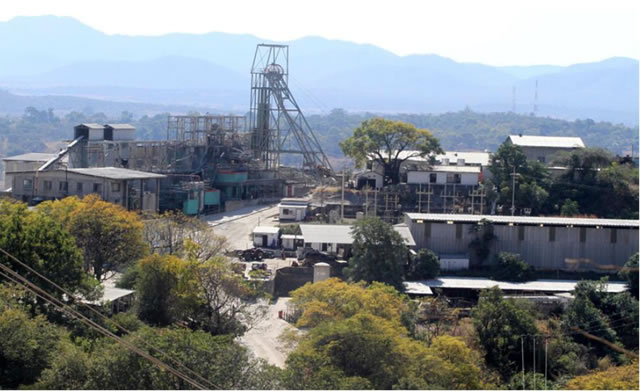
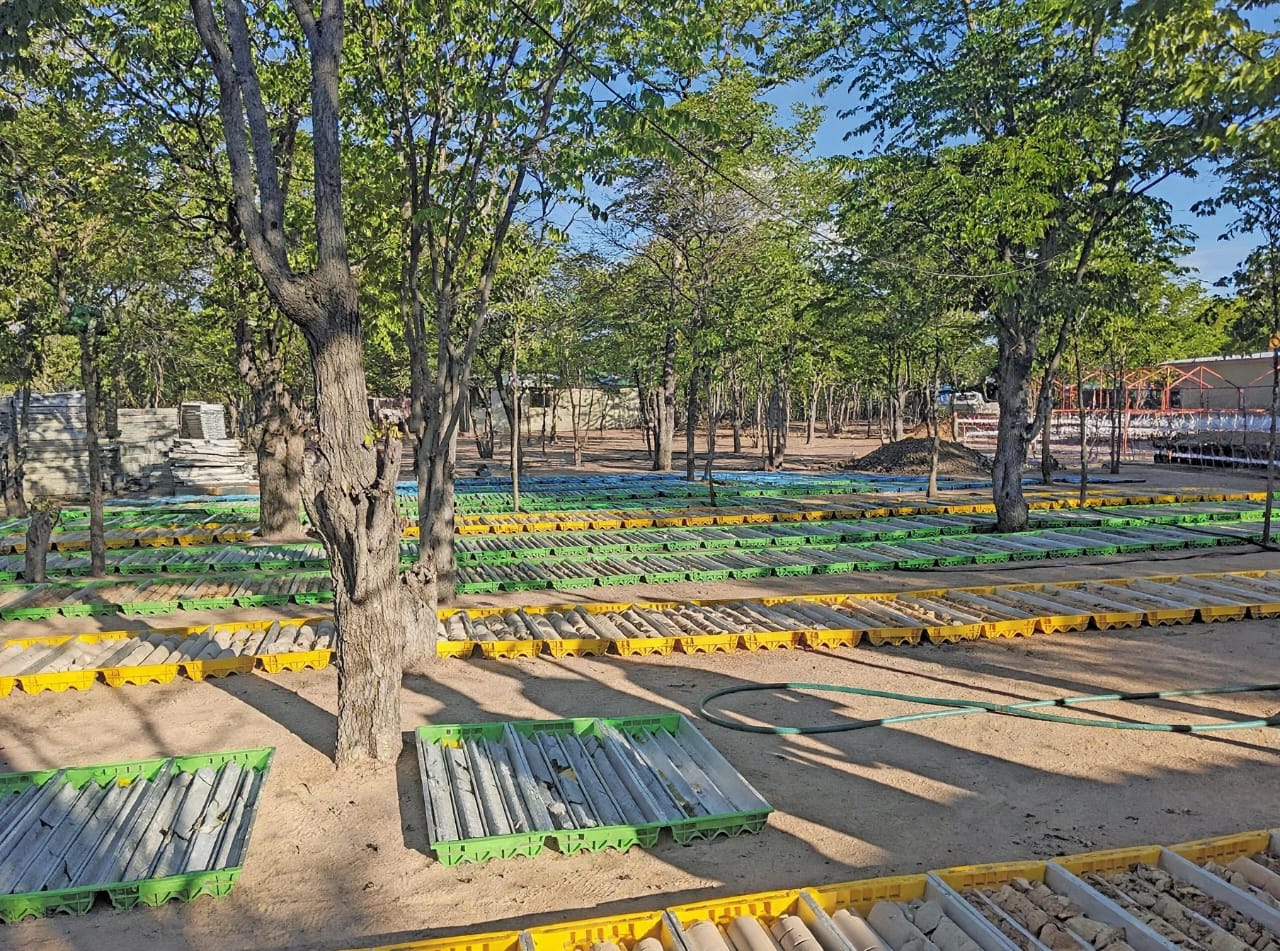
The London-listed miner owns 100% of the Dokwe Gold Project in Matabeleland North, where a 2026 prefeasibility study estimated a post-tax net present value of US$740 million and a 1.13-million-ounce ore reserve.
Yet ACF noted that Ariana Resources plc’s enterprise value stands at just US$21.3 million, a fraction of the project’s estimated value. The research firm placed a valuation range of between 4.44p and 4.91p per share on Ariana, compared with its current share price of 1.25p.
At the heart of the report is a challenge to conventional views about Zimbabwe.
According to ACF, the country’s economic indicators have improved markedly over the past year. ZiG inflation fell from 32.7% to 4.3% between October 2025 and October 2026, while the International Monetary Fund found that Zimbabwe had met all quantitative targets under its Staff Monitored Programme.
The report described the country’s macroeconomic situation as having reached “an inflection point”.
More importantly, the researchers argue that investment decisions by major mining companies are providing a stronger signal than investor sentiment.
“Capital already on the ground tells a different story,” the report said.
It pointed to a string of major investments, including a US$300 million financing package for Caledonia Mining’s Bilboes Gold Project, a US$1.8 billion expansion project at Zimplats, a US$300 million bond financing for Karo Platinum and a planned US$244 million lithium sulphate plant by Chengxin.
The report acknowledges that challenges remain. Zimbabwe continues to carry political, fiscal and foreign-exchange risks, while mining companies are still required to convert 30% of export earnings into local currency. Proposed changes to royalty structures and mining taxation have also raised concerns among investors.
However, ACF argues that those risks are already more than reflected in market valuations.
The analyst noted that Zimbabwe is often grouped alongside higher-risk mining jurisdictions in country-risk assessments despite ongoing investment by both local and international mining houses.
For Ariana, the stakes are significant.
The company is seeking to advance Dokwe through a definitive feasibility study and eventually a US$164 million mine build. If developed, the project is expected to produce around 80,000 ounces of gold annually during its primary mining phase and deliver more than one million ounces over its life.
Ultimately, the report’s message extends beyond a single company. It argues that Zimbabwe’s mining sector is suffering from a perception gap, where international markets continue to price in historic risks even as billions of dollars are being committed to gold, platinum and lithium projects across the country.
Whether investors agree may determine not only Ariana’s future valuation, but how the market values Zimbabwe’s next generation of mining projects.