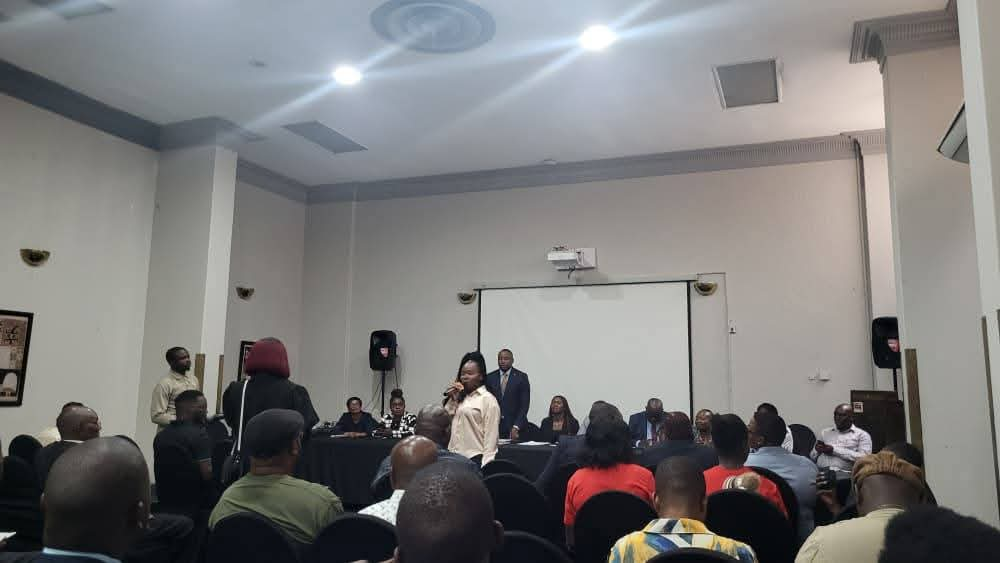

The Parliament of Zimbabwe yesterday completed its six-day nationwide public consultations on the Mines and Minerals Bill [H.B. 1, 2025], bringing to a close a 12-session outreach programme conducted across all 10 provinces.
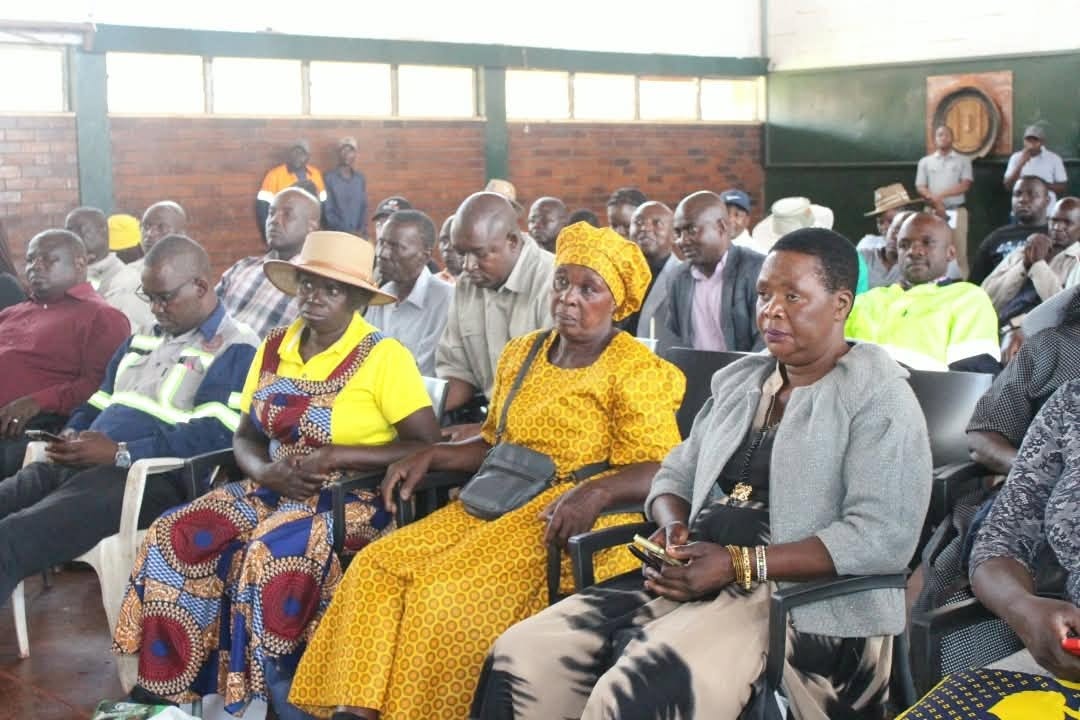
The consultations, led by the Portfolio Committee on Mines and Mining Development from November 17 to 22, were held in line with Section 141 of the Constitution, which requires public participation in legislative processes. The final hearing took place at Jameson High School Hall in Kadoma, Mashonaland West.
Gazetted in June 2025, the proposed legislation seeks to repeal and replace the Mines and Minerals Act [Chapter 21:05], a framework that has governed Zimbabwe’s mining industry since 1961. The Bill represents the latest effort in a reform process that has faced delays since drafting began in 2015.
Among its key provisions are the establishment of a centralized Mining Cadastre Register to digitize mining title administration, the replacement of mining commissioners with Provincial Mining Directors, and the restructuring of the Mining Affairs Board.
The Bill also formally recognizes artisanal and small-scale miners, introduces a category of strategic minerals subject to specific agreements with the State, and strengthens environmental compliance requirements, including land rehabilitation obligations.
Throughout the consultation process, the committee engaged a broad range of stakeholders, including small-scale miners, large mining companies, investors, traditional leaders and civil society organizations. Advocacy groups also mobilized mining-affected communities, women and youth to contribute views on issues such as revenue sharing and environmental protection.
With the public hearings now concluded, the committee will consolidate oral and written submissions before presenting its findings to the National Assembly. The report is expected to guide parliamentary debate during the Bill’s Second Reading stage.