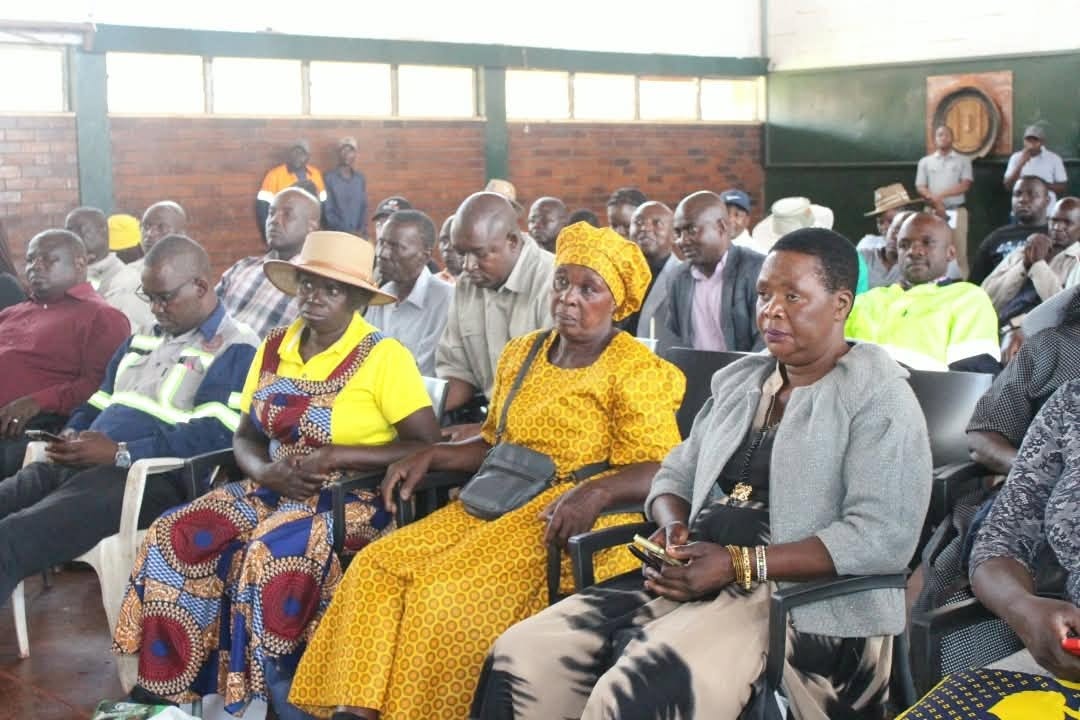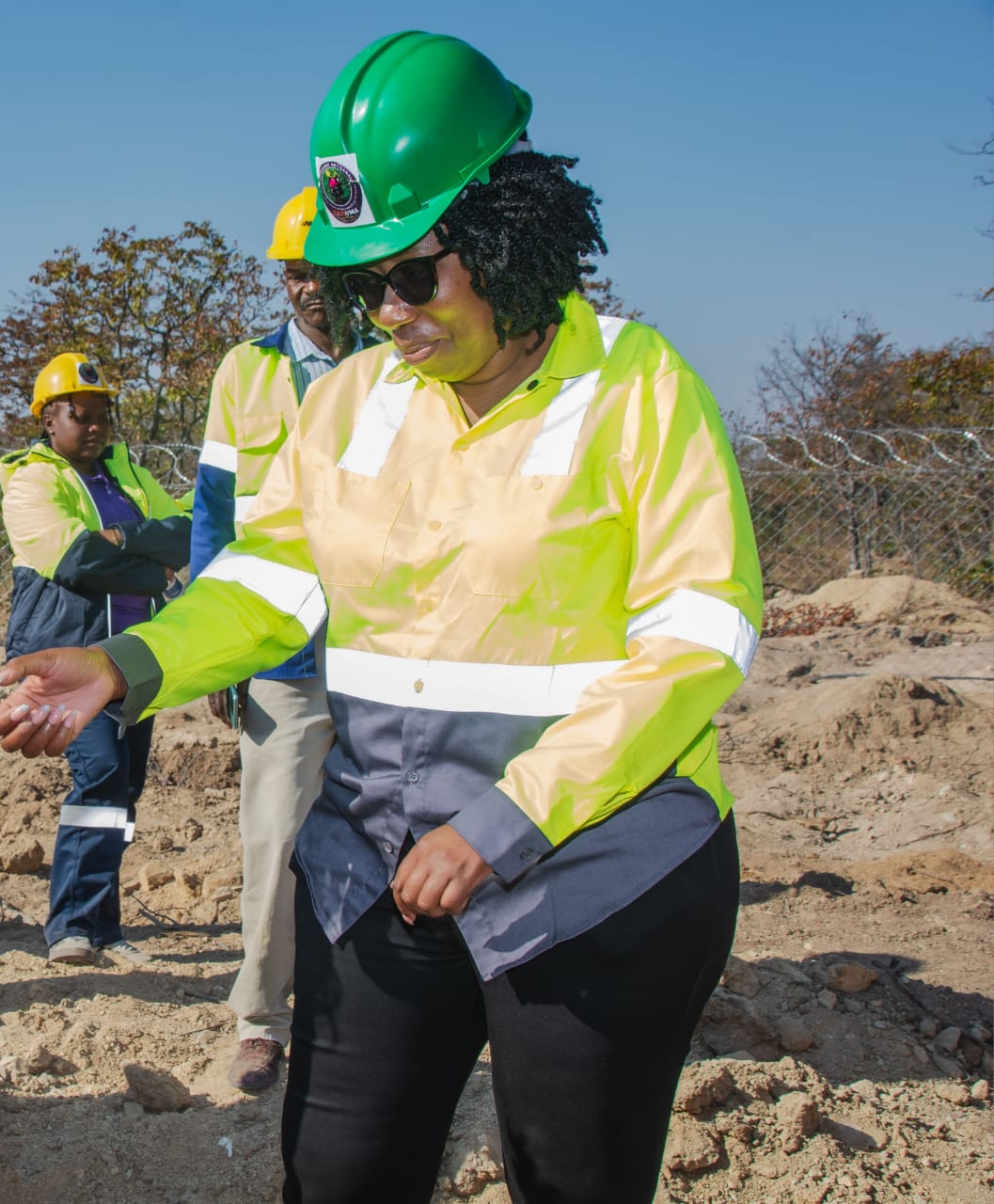

The Zimbabwe Artisanal and Small-Scale Women Miners Association (ZASWMA) has called for women to occupy at least 50 percent of seats on the Mining Affairs Board as part of its proposed amendments to the Mines and Minerals Bill, 2025.
The proposal is contained in the association’s position paper, Gender-Responsive and Inclusive Legislative Reforms for the Protection, Formalisation and Sustainable Development of Women in Artisanal and Small-Scale Mining, which was submitted during the ongoing public consultations on the Bill.
According to ZASWMA, women remain significantly underrepresented in mining governance structures despite playing an increasing role in mineral production and the growth of the artisanal and small-scale mining sector.
The association is proposing a legal requirement that women make up at least half of the Mining Affairs Board, in line with constitutional principles of gender equality and equal representation. It argues that stronger female representation would help ensure that mining policies and regulatory decisions better reflect the realities and challenges faced by women miners.
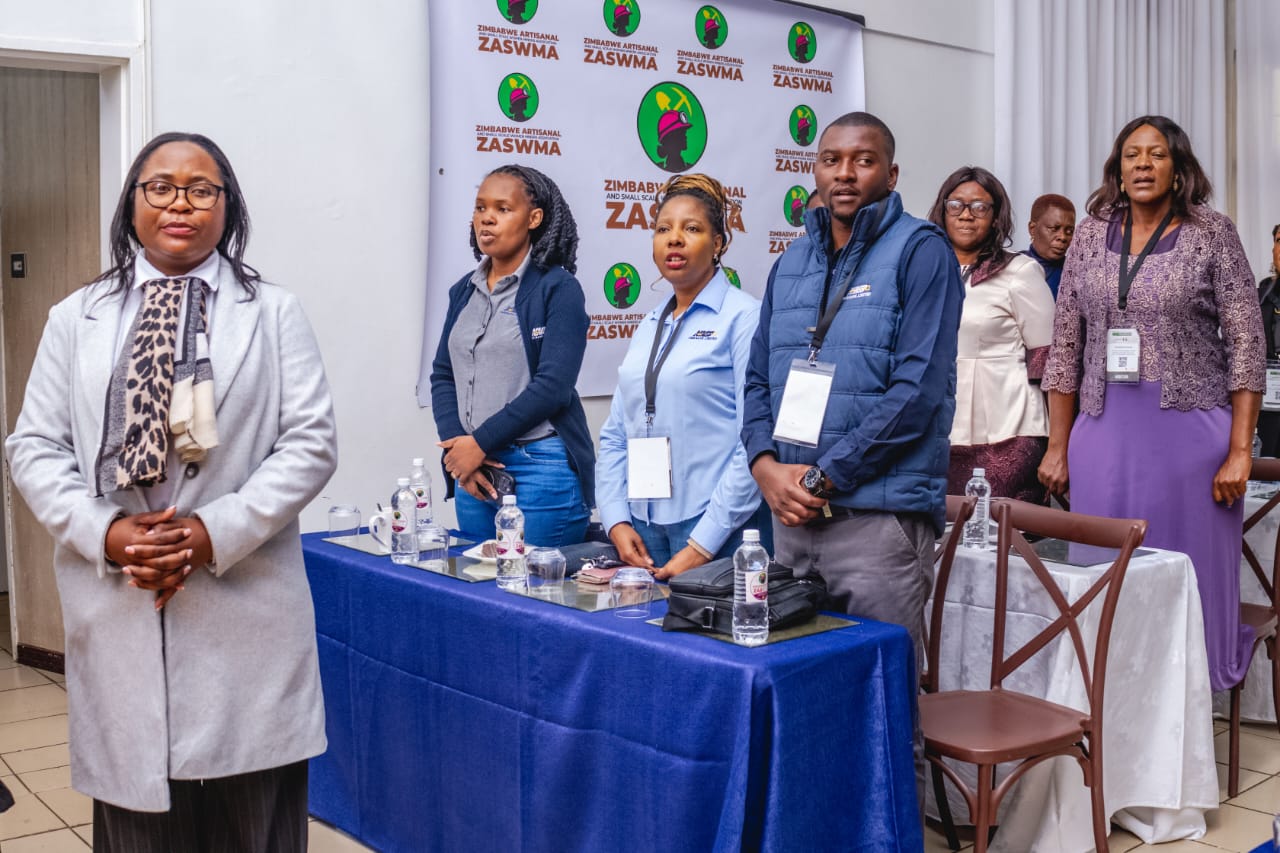
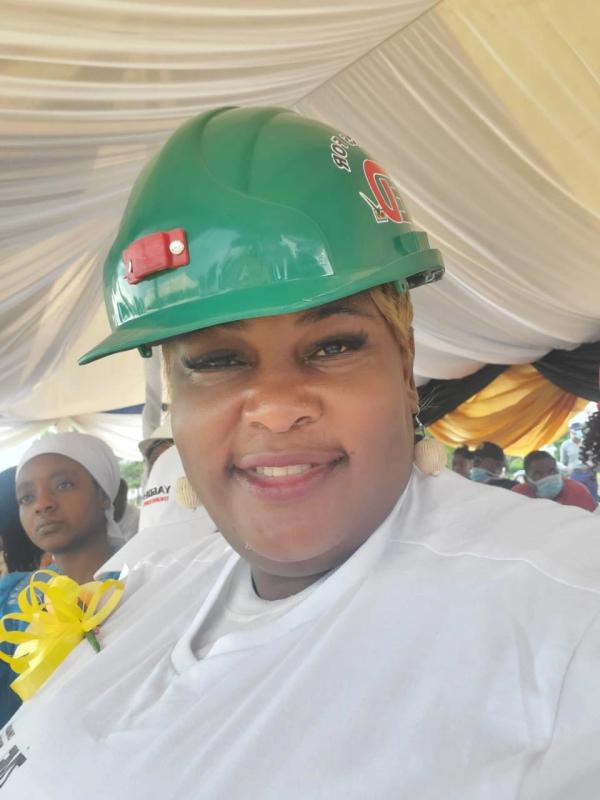
Members of ZASWMA during an engagement on mining sector reforms. The association is advocating for 50% female representation on the Mining Affairs Board.
“Women’s representation in governance structures is not only a matter of equity but a necessary condition for responsive and inclusive decision-making within the mining sector,” the association said in its submission.
ZASWMA chairperson Kundai Chikonzo said meaningful participation by women in decision-making institutions is essential to achieving inclusive growth in the mining industry.
“The mining sector cannot achieve inclusive growth if the women who contribute to its development remain underrepresented, underfinanced and inadequately protected,” Chikonzo said. “Women’s participation in decision-making structures is critical to ensuring that mining legislation and policies respond to the realities on the ground.”
The current Mining Affairs Board, appointed under the Mines and Minerals Act with effect from August 19, 2026, comprises 12 members and is chaired by the Permanent Secretary in the Ministry of Mines and Mining Development, Dr T.U. Wushe.
Women currently account for four positions on the board, including the Board Secretary, representing 33.3 percent of the board’s overall composition. Excluding the secretary position, women hold three of the 11 board seats, equivalent to 27.3 percent representation.
Beyond governance reforms, ZASWMA is advocating stronger legal protections for women miners, improved access to financing, equipment and technical support, gender-responsive occupational health and safety measures, and policies that support the formalisation of artisanal and small-scale mining activities.
The association argues that the success of mining reforms should be measured not only by their ability to attract investment and increase production, but also by their capacity to expand economic opportunities for women and other historically excluded groups.
The recommendations come as Parliament concludes nationwide consultations on the Mines and Minerals Bill, with stakeholders from across the mining sector submitting proposals aimed at shaping Zimbabwe’s future mining governance framework.