
The intersection of monetary reform and industrial sustainability has emerged as a critical flashpoint in Zimbabwe’s economic trajectory.
This tension was brought into sharp focus at the Association of Mine Managers of Zimbabwe (AMMZ) 54th Annual General Meeting and Conference in Nyanga, where the Chamber of Mines of Zimbabwe urged government to adopt a clear, phased and non-disruptive de-dollarisation roadmap.
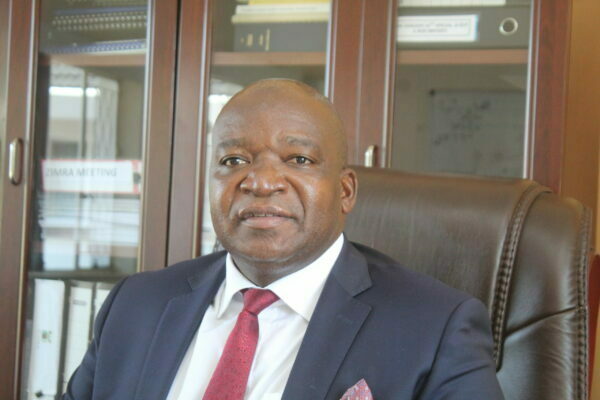
Chamber Chief Executive Officer Isaac Kwesu warned that policy uncertainty could undermine the long-term capital commitments required to sustain the country’s most important economic sector.
The debate underscores a broader macroeconomic challenge: balancing the pursuit of monetary sovereignty with the need to preserve investor confidence and economic stability.
The mining sector is particularly vulnerable to currency policy shifts because of its heavy reliance on international supply chains.
Contributing 14.5% of Gross Domestic Product (GDP) and more than 76% of Zimbabwe’s export earnings, the industry remains the backbone of the national economy.
Over the past two years, operational stability among large-scale miners has been supported by an agreement with the Reserve Bank of Zimbabwe (RBZ) allowing a 70% foreign currency retention threshold.
This framework has enabled companies to directly finance imports of heavy mining equipment, specialised processing chemicals and external debt obligations.
Industry leaders argue that any abrupt or poorly managed transition to a mono-currency regime could restrict access to foreign exchange, threatening production and investment across the sector.
Compounding concerns over monetary policy is a series of regulatory changes introduced with limited industry consultation.
Delegates at the Nyanga conference highlighted rising operational costs, particularly electricity tariffs charged by ZESA and mineral royalty obligations, which continue to place pressure on profitability.
At the same time, policy interventions such as the ban on raw lithium and other unbeneficiated mineral exports have disrupted existing business models.
While the objective of promoting domestic value addition is widely supported, mining executives contend that implementing major policy reforms without sufficient stakeholder engagement creates uncertainty.
In a capital-intensive industry where investments are planned over decades, such unpredictability increases perceived risk and can discourage foreign direct investment.
Ultimately, Zimbabwe’s economic success will depend on reconciling state policy objectives with industry realities.
A sovereign currency remains a key pillar of long-term economic independence and monetary policy effectiveness.
However, as mining executives argue, currency stability cannot be achieved through policy directives alone; it must be underpinned by a productive and globally competitive export sector.
To achieve Vision 2030 and sustain economic growth, policymakers will need to move beyond unilateral interventions and embrace a collaborative, conditions-based approach.
A predictable de-dollarisation framework that safeguards foreign currency access, honours existing contracts and provides policy consistency could help government achieve its monetary objectives while preserving the industrial foundations that support them.