
Six months after Zimbabwe declared 17 mining-degraded rivers a State of Disaster, the Government has once again extended the rehabilitation deadline, this time to 28 January 2027.
The rehabilitation programme was initially scheduled to run for three months. When President Emmerson Mnangagwa gazetted the State of Disaster under Statutory Instrument 91 of 2026 on 28 May 2026, a 90-day suspension of activities deemed incompatible with restoration efforts was implemented to allow approved contractors to undertake urgent rehabilitation works.
However, the scale of environmental damage proved far greater than could be addressed within the original timeframe. As a result, authorities have had to repeatedly extend the programme to allow restoration efforts to continue.
The first extension, gazetted in September 2026, pushed the deadline to 28 October 2026, providing contractors with additional time to advance critical rehabilitation work before the onset of the rainy season. A further extension was then granted under Statutory Instrument 173 of 2026, keeping the State of Disaster in force until 28 January 2027 after the Government acknowledged that the remaining works had yet to satisfy the Inter-Ministerial Committee on Riverine Ecosystems Rehabilitation.
While some may interpret the extension as slow progress, it may be more accurately viewed as an indication of the complexity involved in restoring ecosystems that have been degraded over many years.
The affected rivers, which stretch across Mashonaland Central, Mashonaland East, Mashonaland West, Midlands, Manicaland and Matabeleland South, have borne the effects of both legal and illegal alluvial mining activities. They include the Mazowe, Murowodzi, Save, Angwa, Sanyati, Munyati, Mupfure, Umzingwane, Insiza, Manzimudaka, Mutebekwi, Mtshingwe, Mutare, Haroni and Nyamukwarara rivers, as well as additional stretches of the Mazowe and Sanyati rivers identified in the gazette.
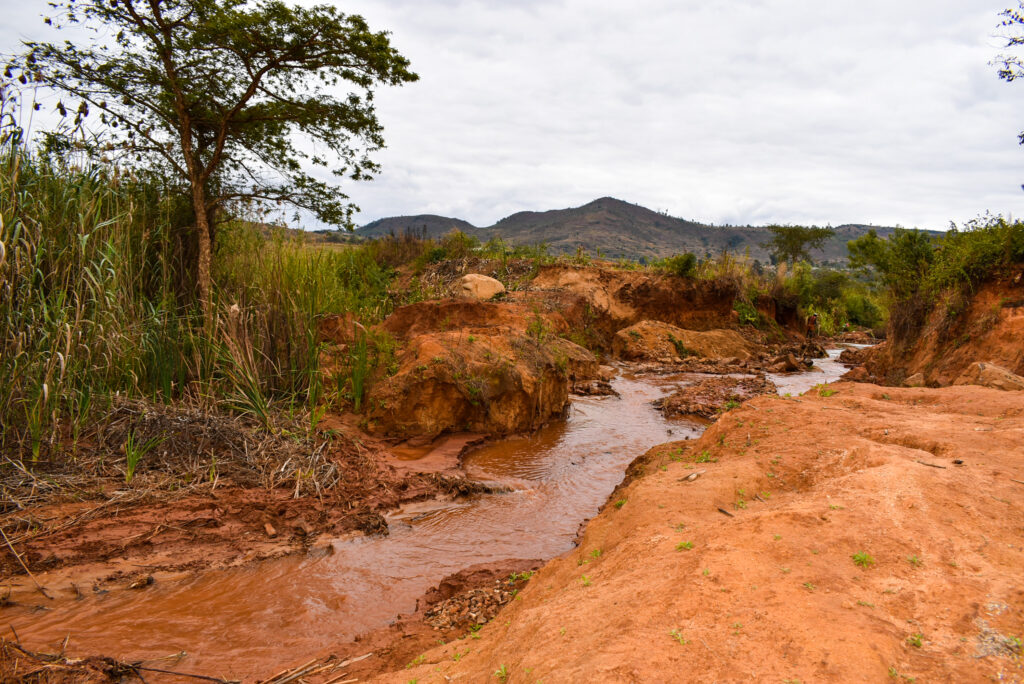
Years of riverbed and alluvial mining have left many waterways heavily silted, altered natural river channels and destabilized riverbanks. Such impacts accumulate gradually, making rehabilitation far more complex than simply stopping the activities that caused the damage.
The Government’s decision to declare the rivers a disaster area in May 2026 was a significant acknowledgement of the severity of the problem. It elevated river degradation from an environmental concern to a national priority.
At the same time, the latest extension demonstrates that river rehabilitation is not a project that can be completed within a matter of months, even under emergency measures. Unlike conventional infrastructure projects, ecological restoration does not always follow predictable timelines.
Rivers are living systems. Their recovery depends on a combination of engineering interventions, erosion control measures, vegetation regeneration, environmental management and continuous monitoring. Progress can also be influenced by weather conditions, funding levels and the extent of degradation at individual sites.
The fact that rehabilitation works have not yet met the standards required by the Inter-Ministerial Committee on Riverine Ecosystems Rehabilitation may therefore reflect an effort to ensure restoration objectives are properly achieved rather than a rush to declare the programme complete. In environmental rehabilitation, long-term effectiveness is often more important than speed.
The extension also creates an opportunity to strengthen preventive measures. While rehabilitation is essential, lasting success will ultimately depend on reducing future environmental damage through responsible mining practices, stronger compliance with environmental regulations and improved monitoring of river systems.
Zimbabwe’s mining sector remains a key driver of economic growth, but the sustainability of that growth depends on balancing mineral extraction with environmental stewardship. The ongoing effort to rehabilitate these 17 rivers illustrates that restoring damaged ecosystems requires patience, resources and sustained commitment.
The lesson from the latest deadline extension is straightforward: rivers degraded over years cannot be restored overnight. Their recovery will require persistence, adequate investment and long-term environmental management.
As the Government works toward the January 2027 target, the focus should be less on the number of extensions granted and more on whether the rehabilitation programme delivers meaningful and lasting improvements to the health of Zimbabwe’s river systems.