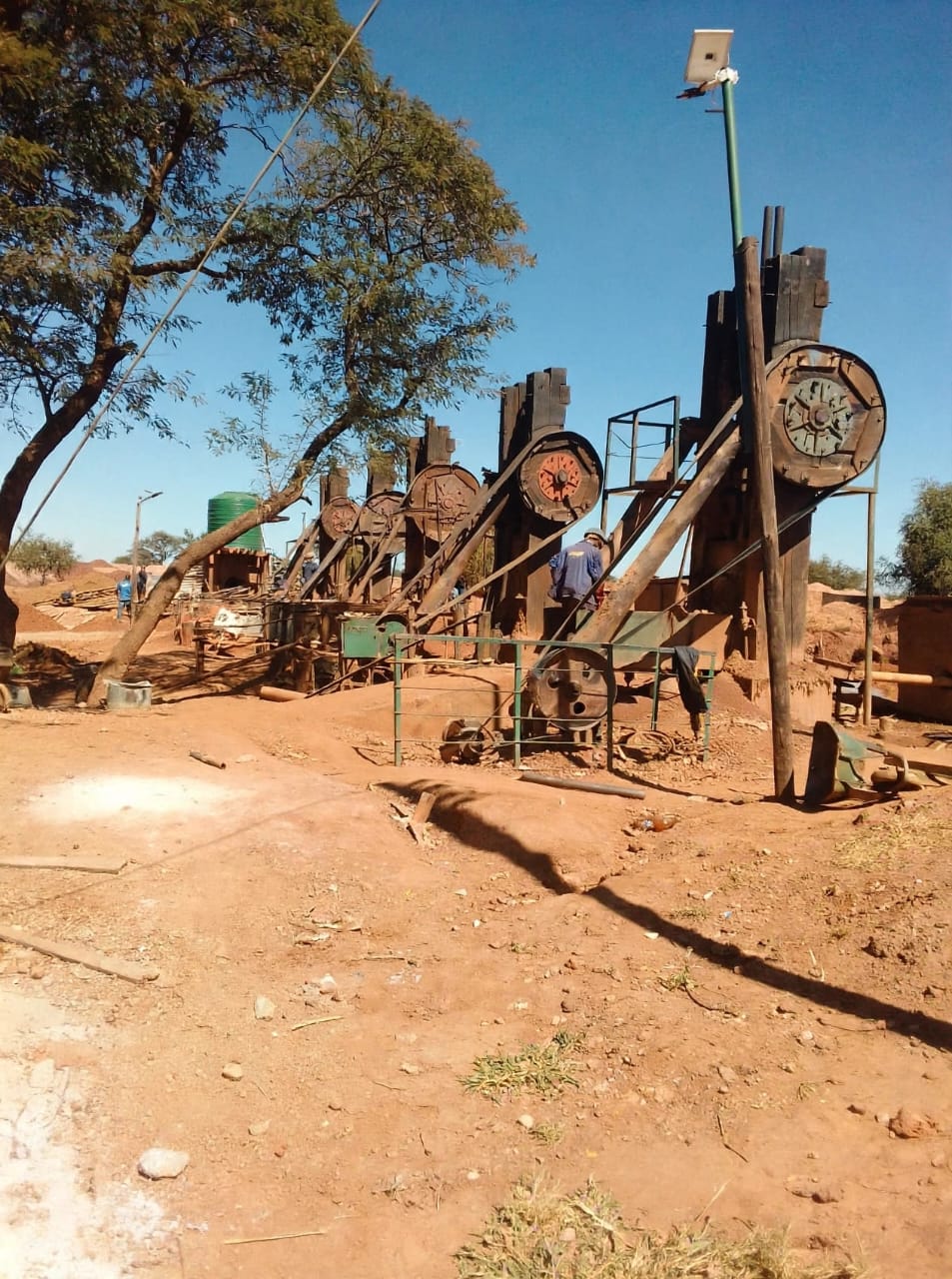

Government will next month launch a US$63 million financing facility for small-scale miners and has raised its long-term mining sector target to a US$15 billion economy, underpinned by ambitions to double annual gold production to 100 tonnes.
The facility, established through a partnership between the Minerals Marketing Corporation of Zimbabwe (MMCZ) and FBC Bank, will be officially launched on November 12, with seven initial beneficiaries already identified.
Speaking at the Zimbabwe Miners Federation (ZMF) Annual General Meeting in Harare on Friday, Permanent Secretary in the Ministry of Mines and Mining Development, Dr Thomas Utete Wushe, said the Government was intensifying efforts to transform artisanal and small-scale mining from informal livelihood activities into sustainable commercial enterprises.
Held under the theme “Empowering Miners, Transforming the ASM Sector While Driving National Economic Growth”, the meeting focused on improving access to finance, strengthening governance and enhancing mining sector productivity.
Dr Wushe said artisanal and small-scale miners remain critical to Zimbabwe’s mining industry, contributing 74.5 percent of the country’s record 46.7 tonnes of gold produced in 2025. Gold is Zimbabwe’s largest export earner and is expected to account for about 65 percent of the targeted US$15 billion mining economy.
While the Government has set a 2026 gold production target of 50 tonnes, Dr Wushe said the sector has the potential to achieve significantly more.
“We have put our gold target at 50 tonnes. I think we can easily get to 100 tonnes,” he said.
He also announced an upward revision of Zimbabwe’s mining industry vision from the US$12 billion target previously championed by former Mines Minister Winston Chitando to a more ambitious US$15 billion goal.
The forthcoming US$63 million credit guarantee scheme is expected to improve access to capital, particularly for miners operating outside the gold sector.
Dr Wushe said Government had also restructured the Mining Industry Loan Fund after identifying challenges that limited uptake, including inflated equipment pricing and cumbersome application procedures. Revised pricing models and simplified access requirements have been introduced to improve participation.
In a move aimed at strengthening governance, he said Provincial Affairs Boards would be operational across all eight mining districts, with ZMF representatives participating in decision-making processes alongside Provincial Mining Directors.
Government, the Chamber of Mines of Zimbabwe and the ZMF will also work together to combat corruption and eliminate unnecessary administrative procedures that create opportunities for rent-seeking.
Meanwhile, newly re-elected ZMF president Henrietta Rushwaya, whose mandate has been extended by seven years, called on small-scale miners to embrace compliance and responsible mining practices.
She said environmental stewardship, land rehabilitation and adherence to designated mining zones must become standard practice across the sector, adding that authorities would continue tightening measures against illegal mining.
Rushwaya said the small-scale mining industry must demonstrate maturity, professionalism and accountability if it is to sustain Government support and play a leading role in Zimbabwe’s drive towards mining-led economic growth.