
Government has unveiled a draft Coal Mining and Beneficiation Policy designed to steer Zimbabwe’s coal sector away from the export of raw coal and towards value addition, beneficiation and downstream industrial development as part of wider efforts to drive economic growth.
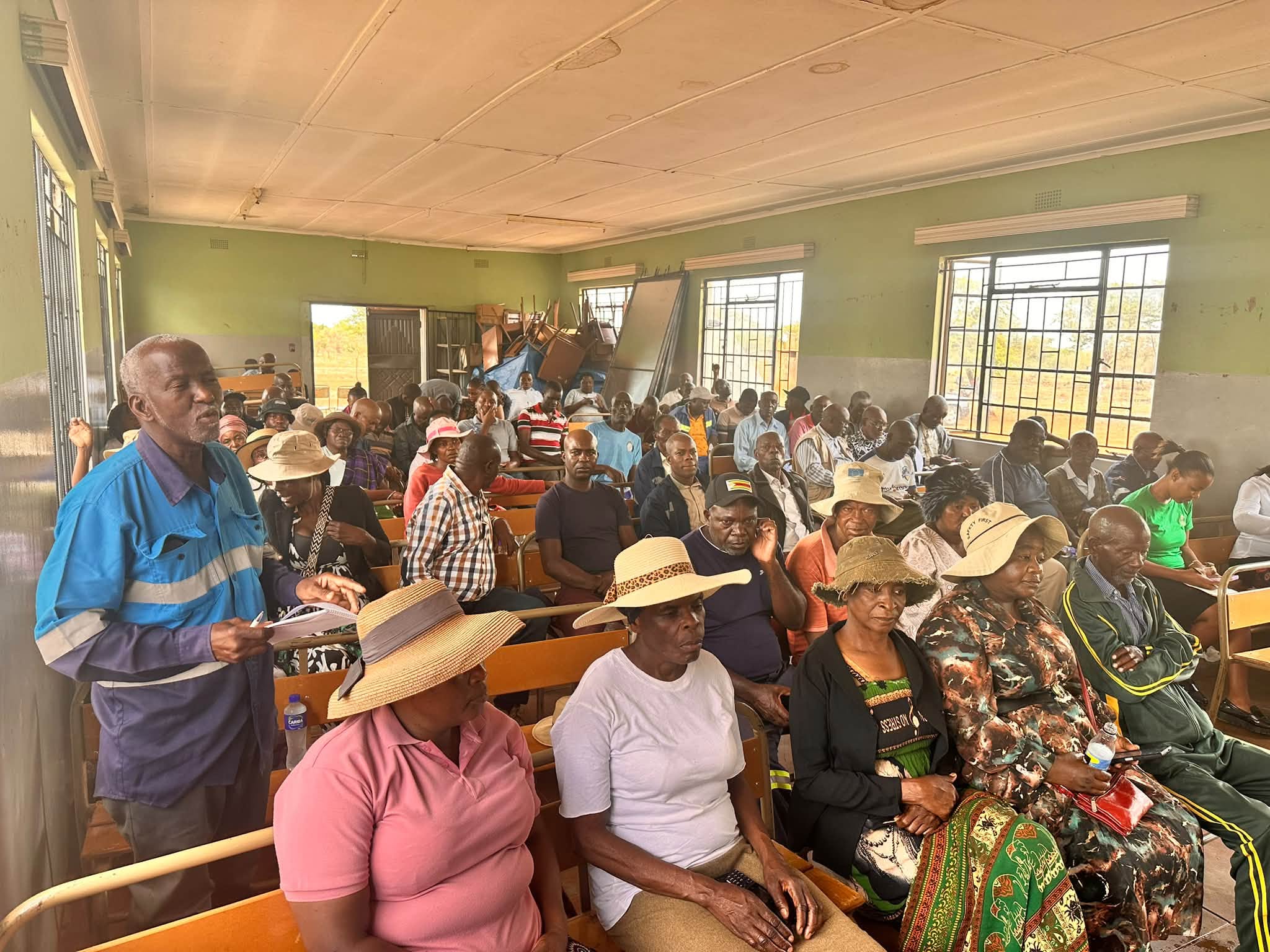
Speaking during a stakeholder consultation meeting held in Harare on Tuesday, Acting Chief Director for Mining Development, Malcolm Mazemo, said the new policy framework seeks to unlock greater value from the country’s coal resources while promoting sustainable mining practices and increased local participation.
The proposed policy is anchored on six strategic pillars: sustainable coal mining and responsible resource utilisation; value addition and beneficiation; industrial symbiosis and downstream chemical recovery; climate change management and environmental sustainability; local content promotion, skills development and technology transfer; and community development and inclusive growth.
Mazemo said Government intends to create an integrated coal value chain in which waste streams and by-products from one industrial process can serve as inputs for another, improving resource efficiency and creating new economic opportunities.
“Government seeks to promote integrated industrial processes that allow by-products and waste streams from one operation to become useful inputs for other industries. This will encourage resource efficiency and create additional economic opportunities within the coal value chain,” he said.
The policy also places significant emphasis on environmental management and climate resilience, with Government seeking to ensure that coal development proceeds in a manner that balances economic benefits with environmental sustainability.
Authorities are also targeting greater local participation in the sector by creating opportunities for Zimbabwean businesses, suppliers, contractors and professionals throughout the coal mining and beneficiation value chain.
“The benefits arising from coal mining must translate into tangible improvements in the livelihoods of communities in mining areas,” said Mazemo.
Government is seeking stakeholder input on a range of issues, including incentives for investment in beneficiation and downstream processing industries, mechanisms to boost local company participation and technologies that can reduce the environmental impact of coal mining and utilisation.
In a clear message to industry stakeholders, Mazemo stressed that the policy must deliver measurable results rather than become another unimplemented strategy document.
“We do not want to have a document that we put on the shelves and then it gathers dust in our offices. It has to work. We cannot gather here and develop a policy document that we are not going to implement effectively,” he said.
The move comes as Zimbabwe’s coal sector experiences strong growth. Industry figures show coal production rose from approximately 5.8 million tonnes in 2024 to 7.3 million tonnes in 2025, representing growth of about 26 percent and highlighting the need for increased investment in processing and value addition.
Government believes the new policy can help position Zimbabwe as a competitive destination for coal-based industrial development, moving beyond primary extraction to the production of higher-value products and coal-derived industrial inputs.
The consultation process forms part of broader efforts to maximise economic returns from the country’s coal resources while ensuring sustainable resource utilisation, community benefits and long-term industrial development in coal-producing regions such as Hwange and Chiredzi.