LOCAL – HARARE (Mining Index) – 35 000 small-scale miners are duly registered in terms of the Mines and Minerals Act out of an estimated 1.5 million Artisanal and Small-scale Miners are operating in Zimbabwe.
This sector has from 2017, contributed over 60 percent of the national gold deliveries to Fidelity Printers and Refiners (FPR).
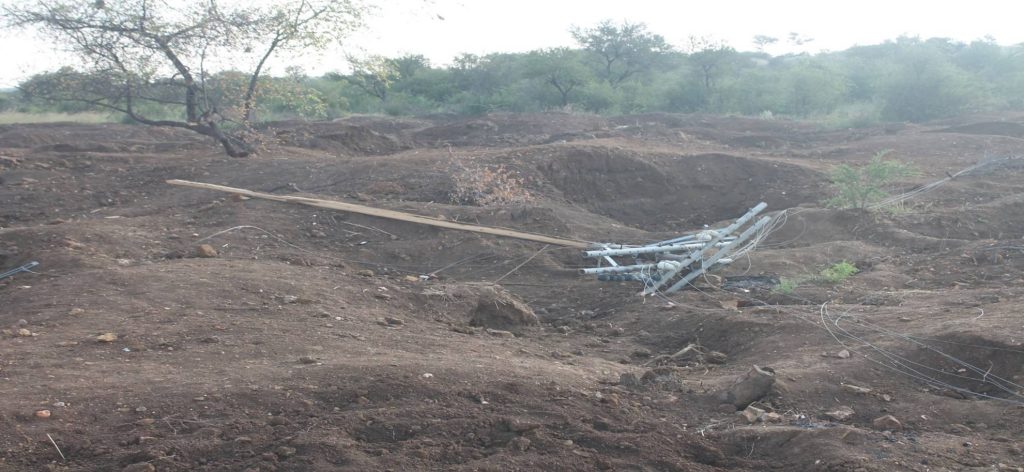
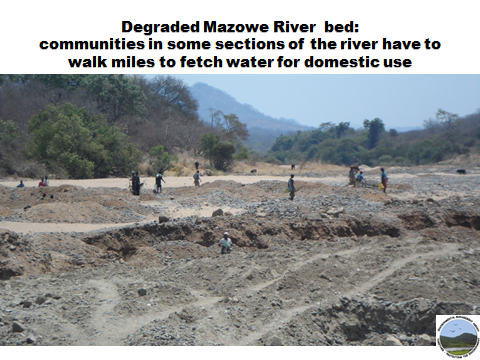
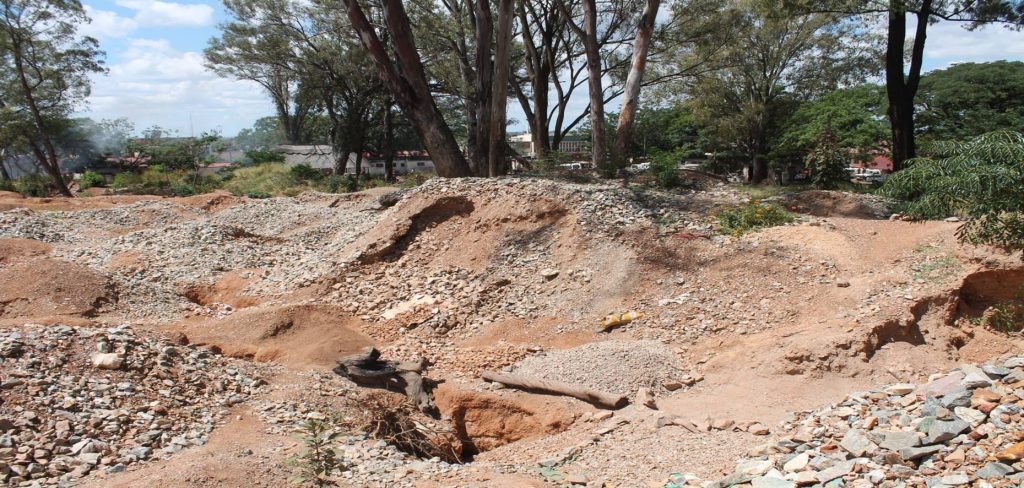
While the nation appreciates gold output coming from the ASM sector, notable environmental damage has been made, with no rehabilitation. If not managed and contained, mining will soon become an eyesore on Zimbabwe’s environment.
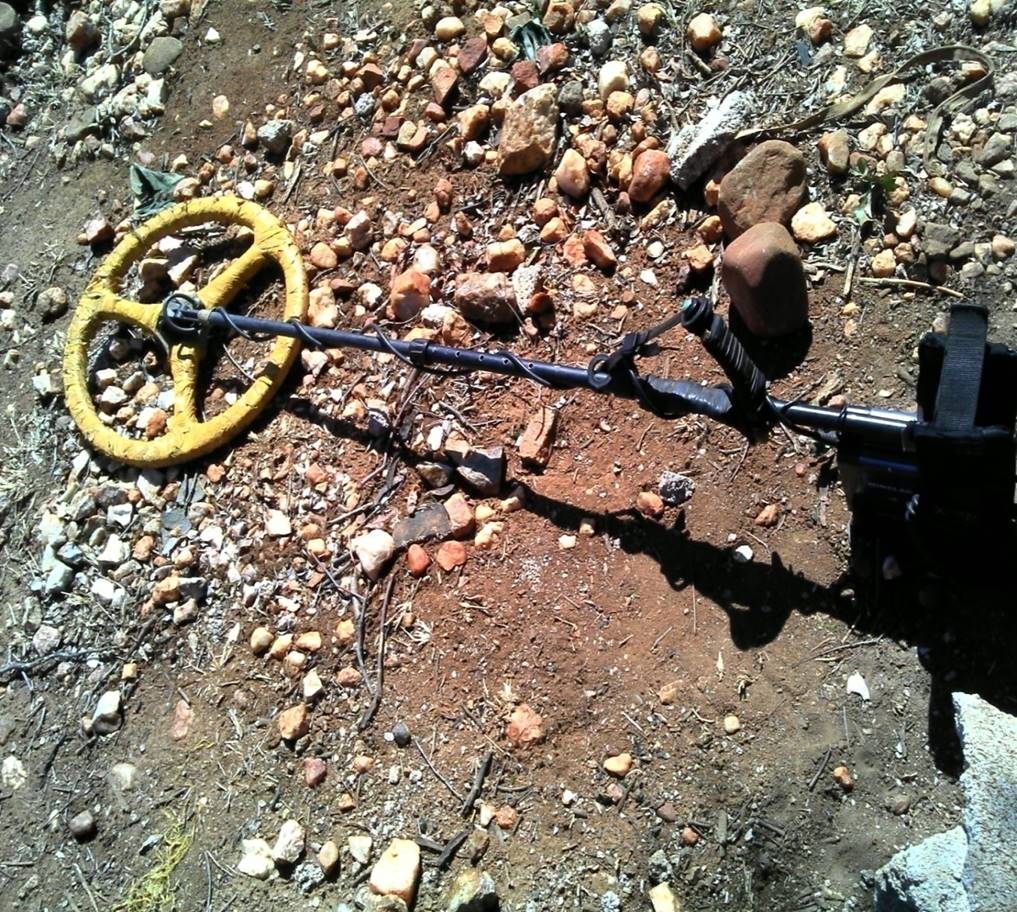
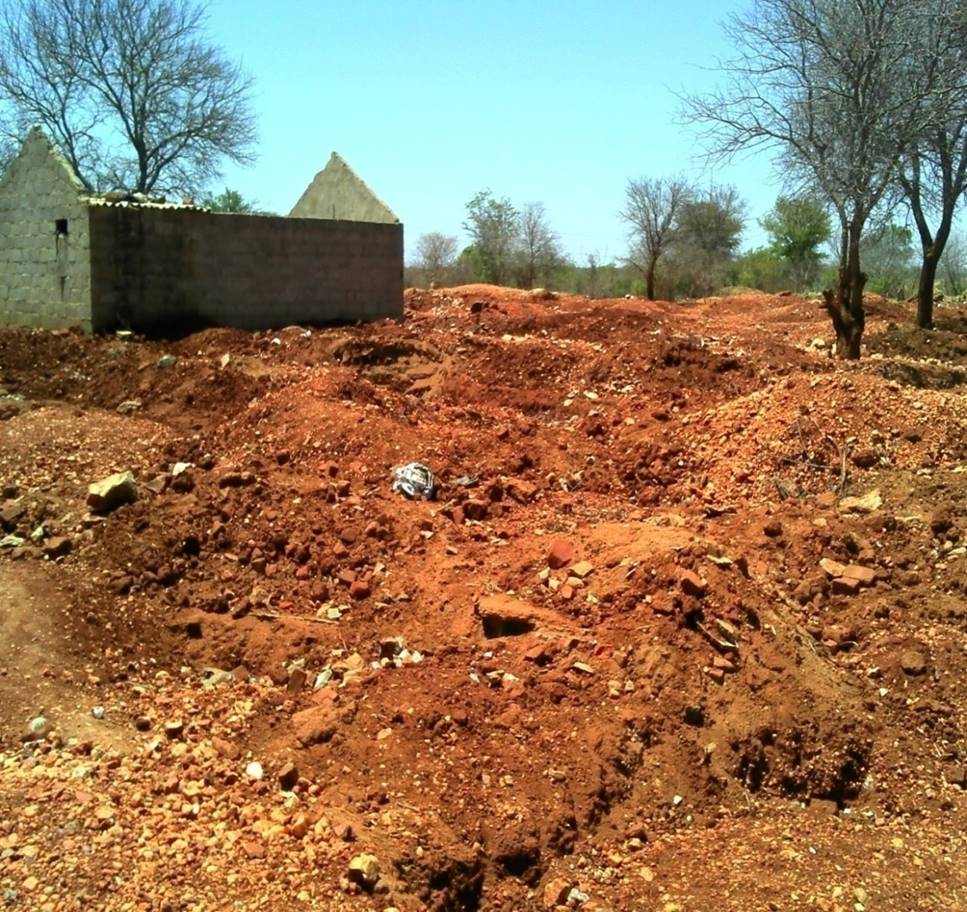
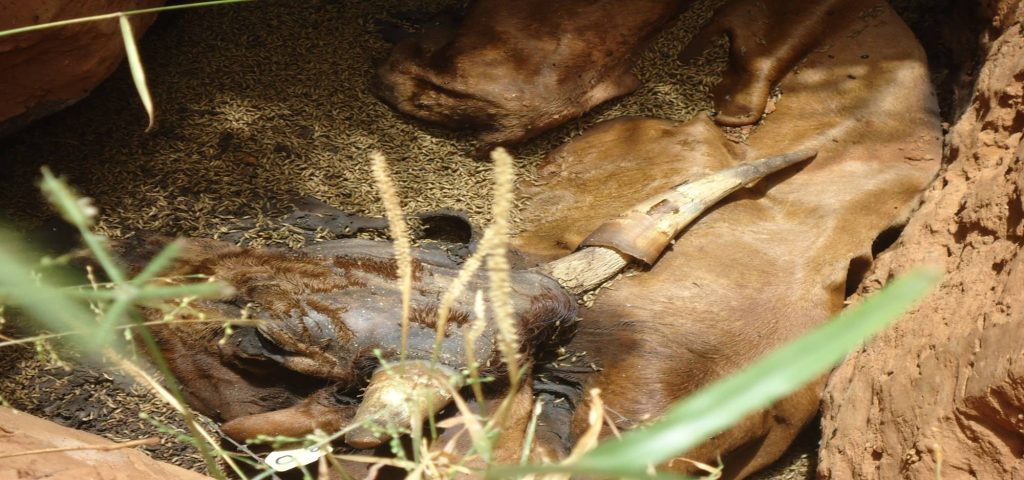
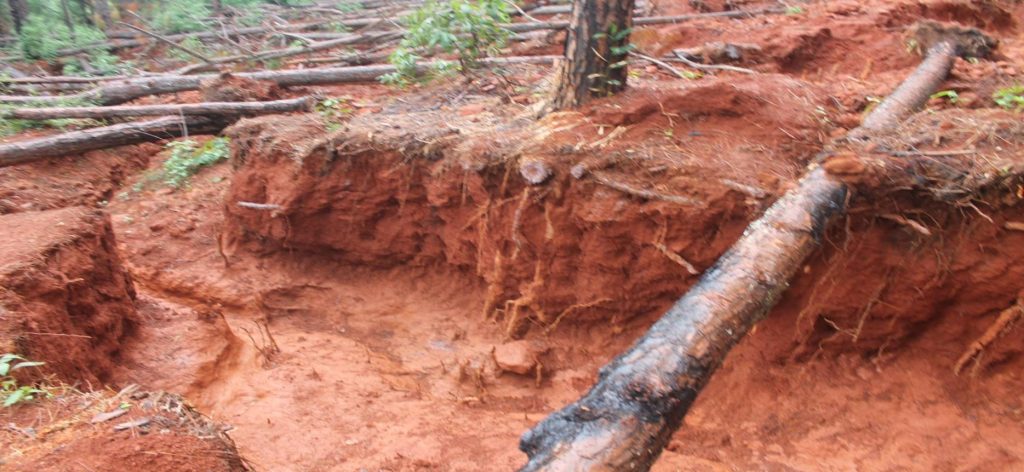
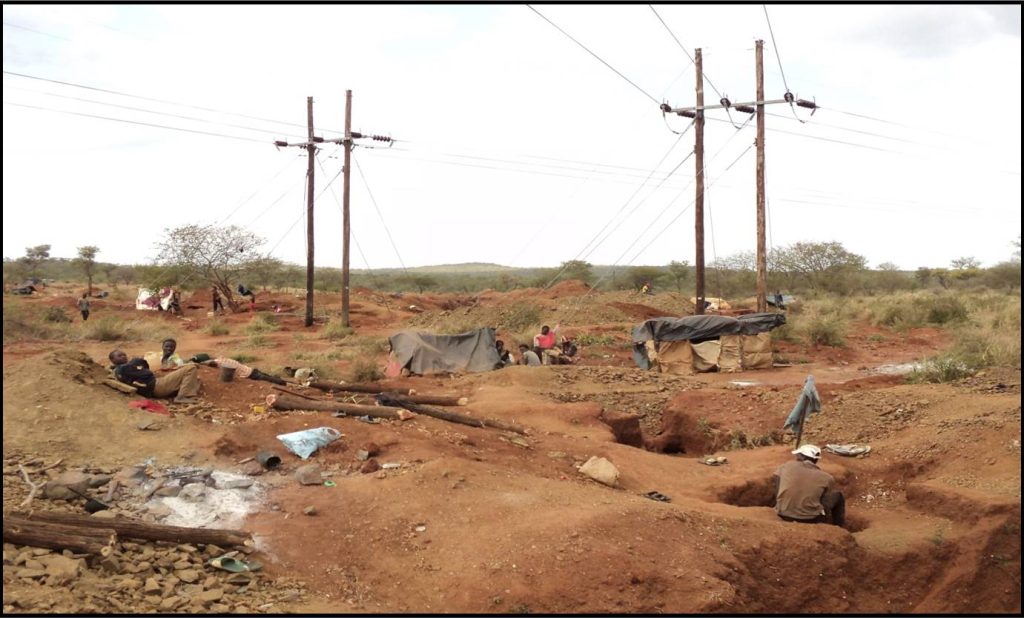
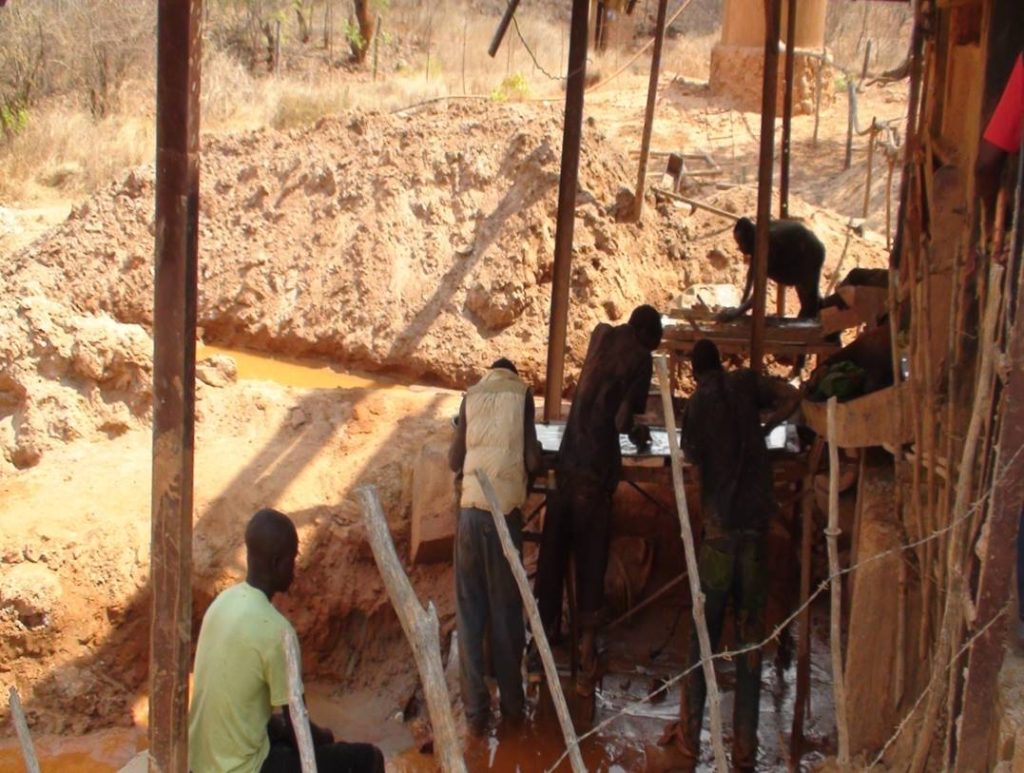
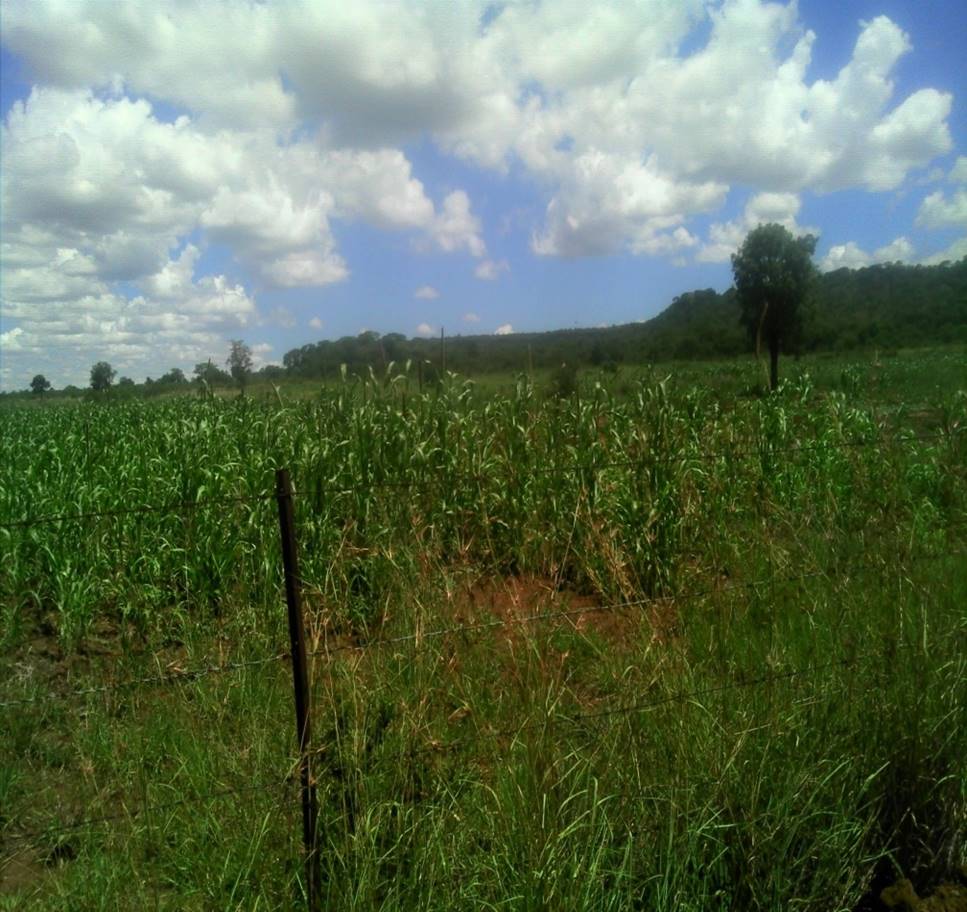
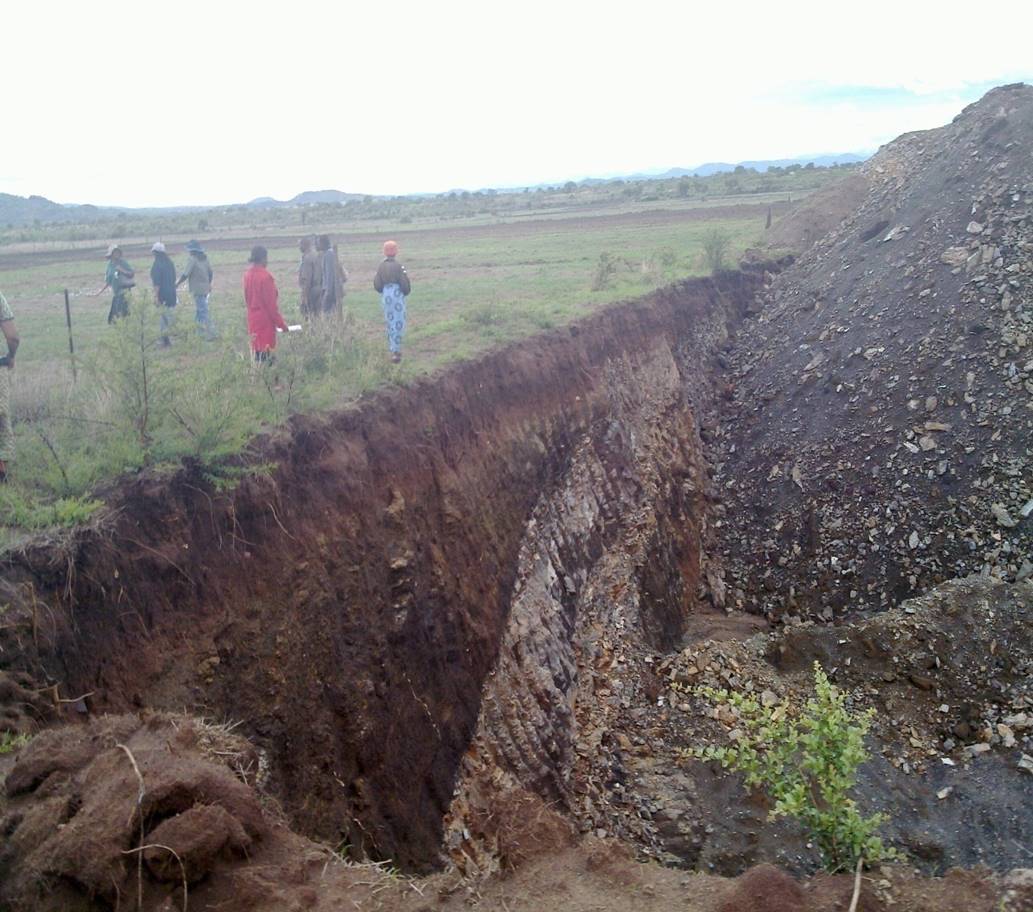
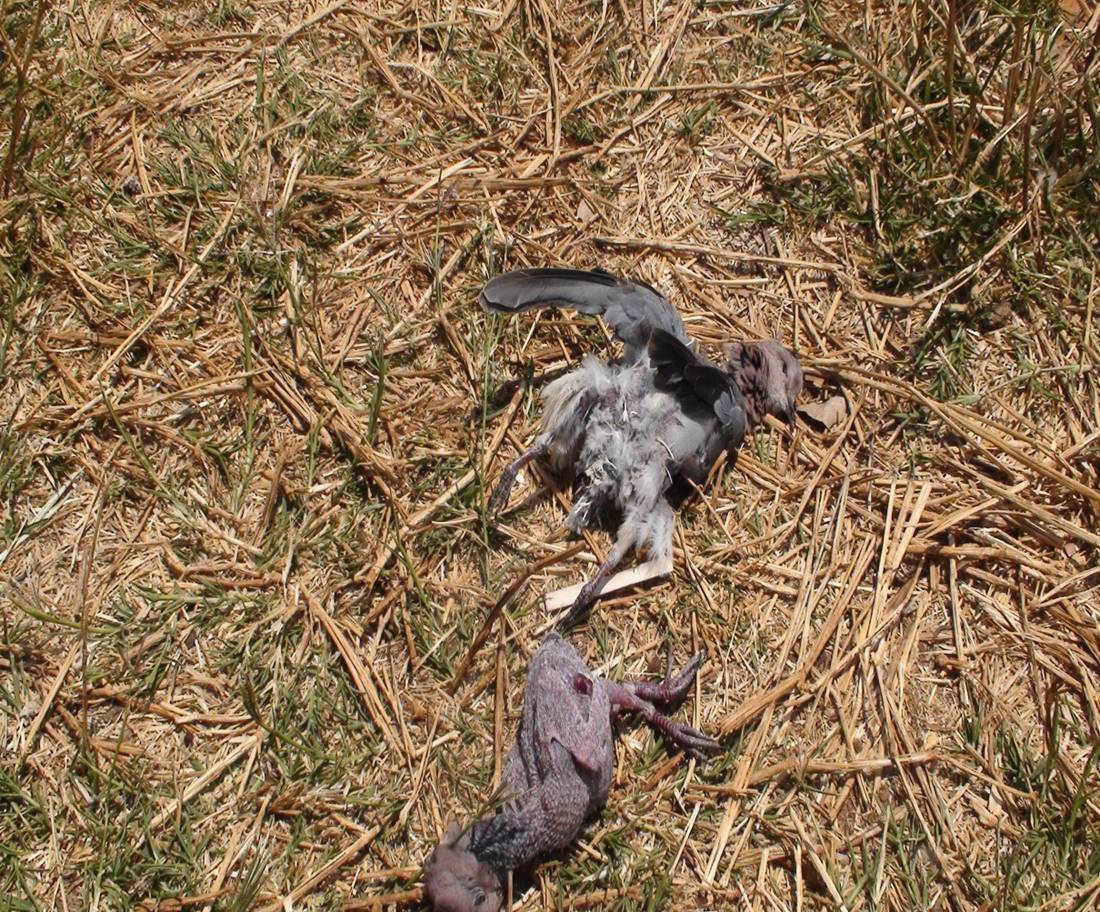
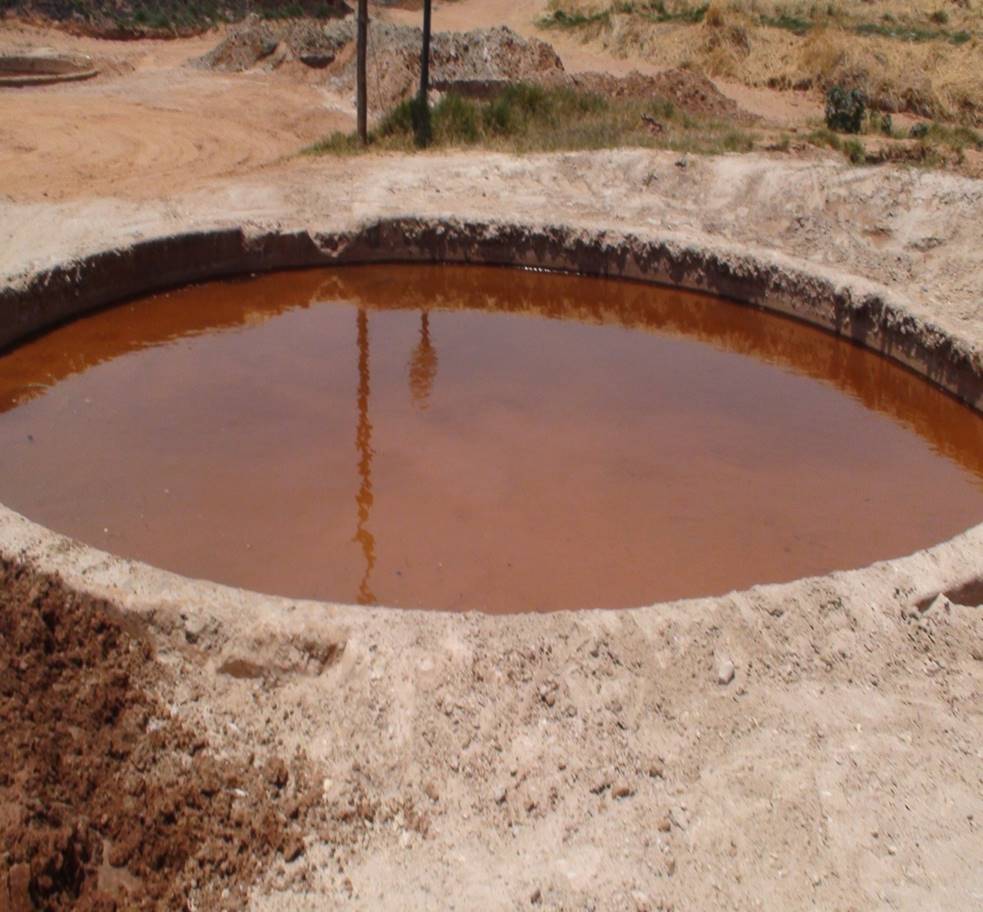
The following images taken by the Environmental Management Agency (EMA) and the Zimbabwe Miners Federation (ZMF) depict what is going on in artisanal mining. Immediate planning and solutions need to be put in place to correct this.
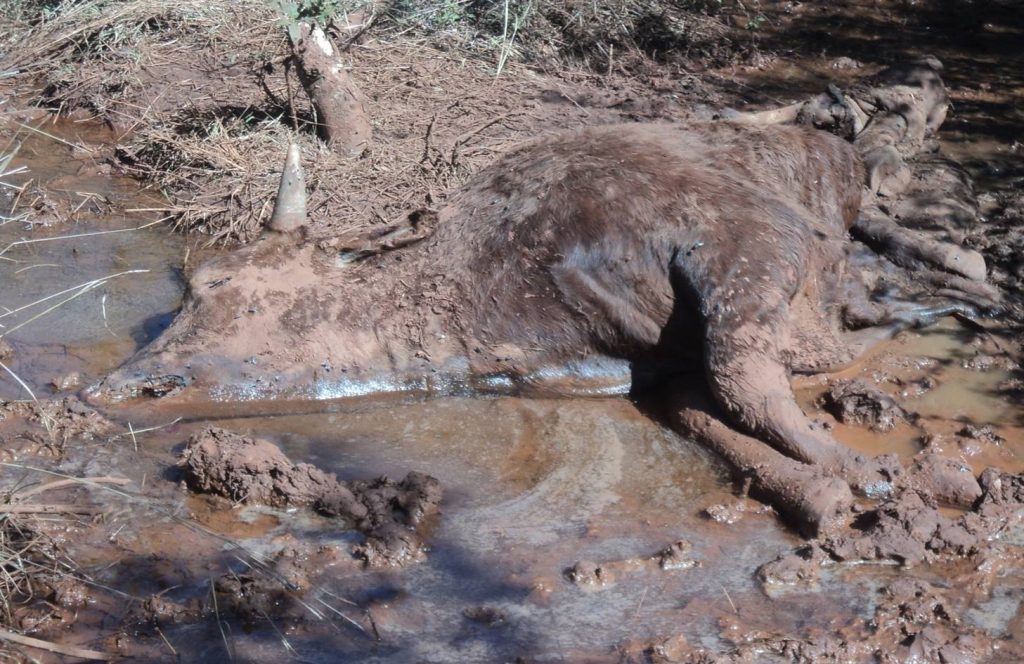
Use of XRF detectors has significantly contributed to land degradation in most parts of the country.No land rehabilitation after artisanal gold mining activities.Cattle falling into mined pits at Umuzingwane
Timber grounded due to illegal mining: $15 million worth of timber plantation completely destroyed.
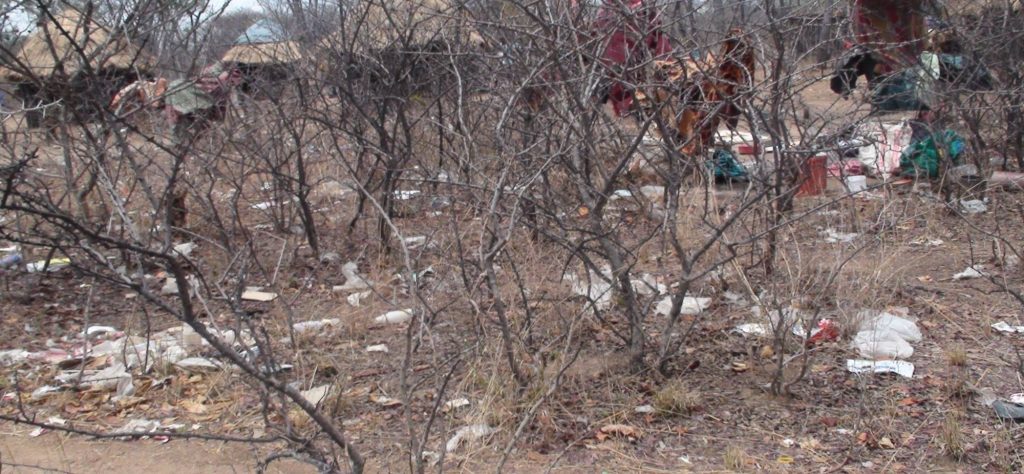
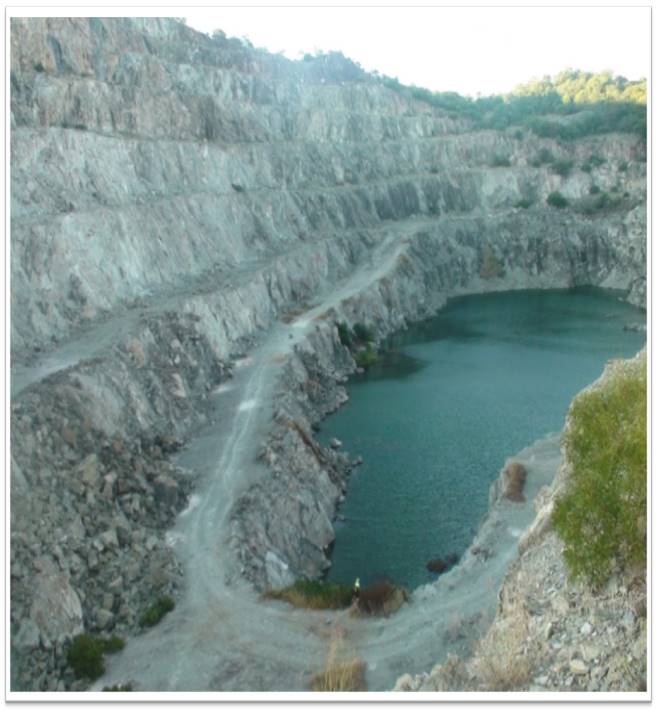
Destruction of infrastructure and grazing land at Matobo Research Station. 1000ha of grazing land destroyed in 2018Massive land degradation due to small scale mining: Matebeleland SouthIllegal mining occurring close to Kwekwe Town infrastructure posing a risk to residents and infrastructureWaste proliferation at one of the illegal mining campsUn-rehabilitated open cast mining pit left at Pangani Mine in Filabusi: three people had drowned in this pit by 2012Improper use and handling of chemicals by artisanal minersCyanide poisoning at a mine in Gweru
Before and after chrome mining
Miners cyanidation ponds resulting in the death of birds and dogs in Kadoma. 28 cattle deaths at Ngundu FY2018.