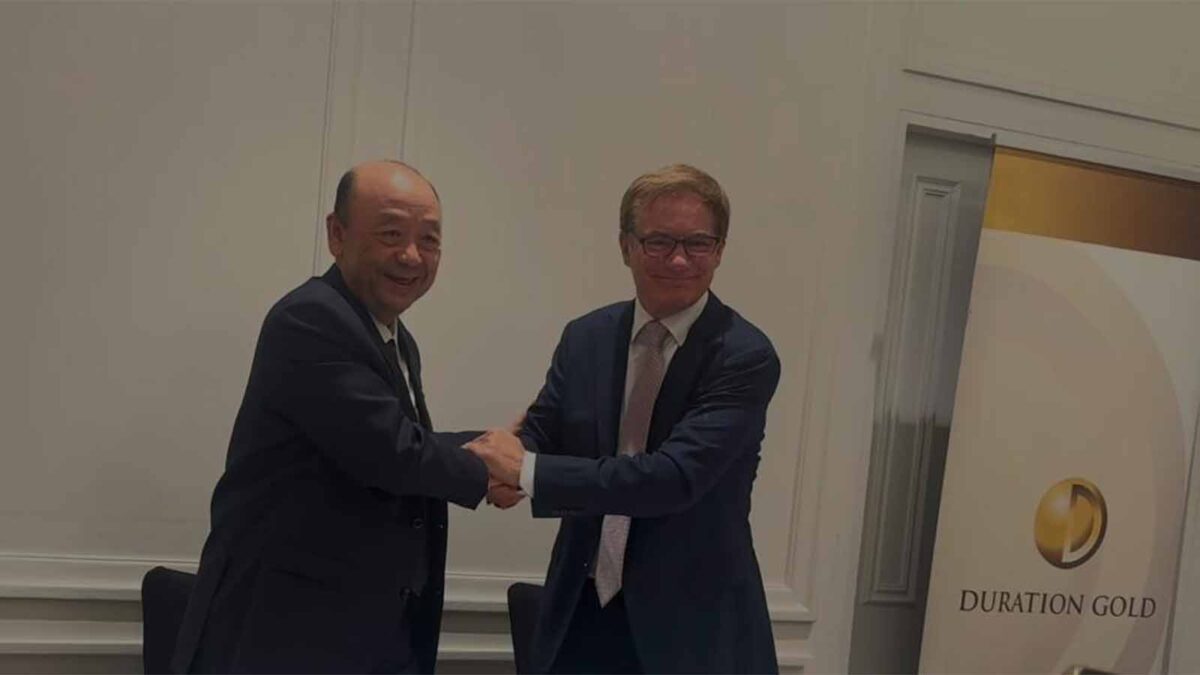

Zimbabwe’s gold sector is witnessing a wave of large-scale investment proposals after China Railway Resources Group (CRRG) and Duration Gold signed a Memorandum of Understanding (MoU) to explore more than US$600 million in funding for four gold mining projects.
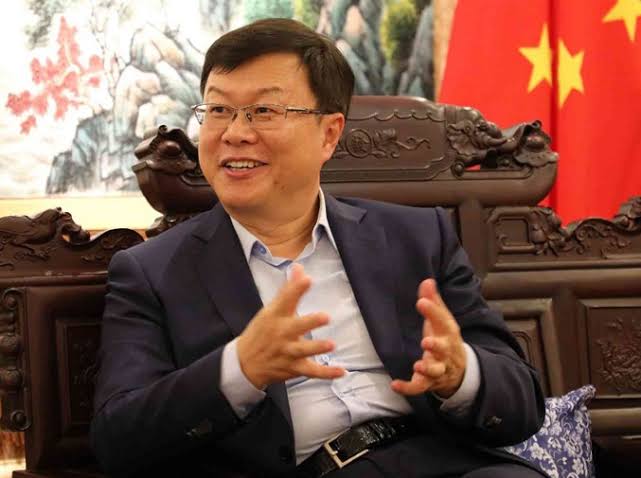
The agreement, signed in Harare by CRRG chief executive Shi Yuan and Duration Gold managing director Allan Dolan, targets the redevelopment and expansion of the Vubachikwe mine in Gwanda, Gaika in Kwekwe, Athens in Mvuma and the Filabusi gold project, including the Royal Family claims.
The proposed investment marks the second US$600 million gold initiative announced in Zimbabwe within a week, following progress on Caledonia Mining’s Bilboes Gold Project in Matabeleland North, which has already secured a US$150 million financing package. The developments come as Mutapa Investment Fund advances its US$240 million Shamva Hill expansion project.
The latest deal pairs CRRG’s capital, engineering expertise and AI-driven mining technologies with Duration Gold’s portfolio of brownfield mining assets. All four projects have previously produced gold and are supported by JORC-compliant mineral resource reports and positive scoping studies.
The companies said the partnership aims to establish long-life mining operations capable of boosting production while revitalising dormant assets.
Should the investment proceed to full implementation, the projects are expected to create more than 5,000 permanent jobs and generate significant revenue for the government through taxes and royalties.
However, the MoU remains a preliminary framework agreement and does not constitute a final financing commitment, with further technical, commercial and regulatory processes required before investment decisions are finalised.
The growing pipeline of gold projects suggests increasing investor confidence in Zimbabwe’s mining industry as companies focus on expanding output from proven deposits rather than pursuing higher-risk greenfield developments.