
For decades, women have played a critical role in Zimbabwe’s mining sector as mine owners, claim holders, entrepreneurs, processors and artisanal miners.
Yet despite their growing contribution to one of the country’s most important industries, the legal framework governing mining has remained largely silent on their existence.
Women have made inroads into mine ownership and operations. In Karoi, the all-female Zimbaqua Mine team has gained recognition for participating in aquamarine mining, highlighting the growing role of women in gemstone extraction and mine management.
The current Mines and Minerals Act, which came into force in 1961, contains no specific provisions addressing women miners, gender equality, access to mining rights by women or mechanisms to promote their participation in the sector.
Instead, the legislation focuses primarily on prospecting, mineral rights, mining claims, leases and royalties, reflecting a period when gender inclusion was not a consideration in mining policy.
As lawmakers consider the Mines and Minerals Bill 2025, many women miners believe the legislation presents a unique opportunity to modernise not only the country’s mineral governance framework but also the place of women within the mining economy.
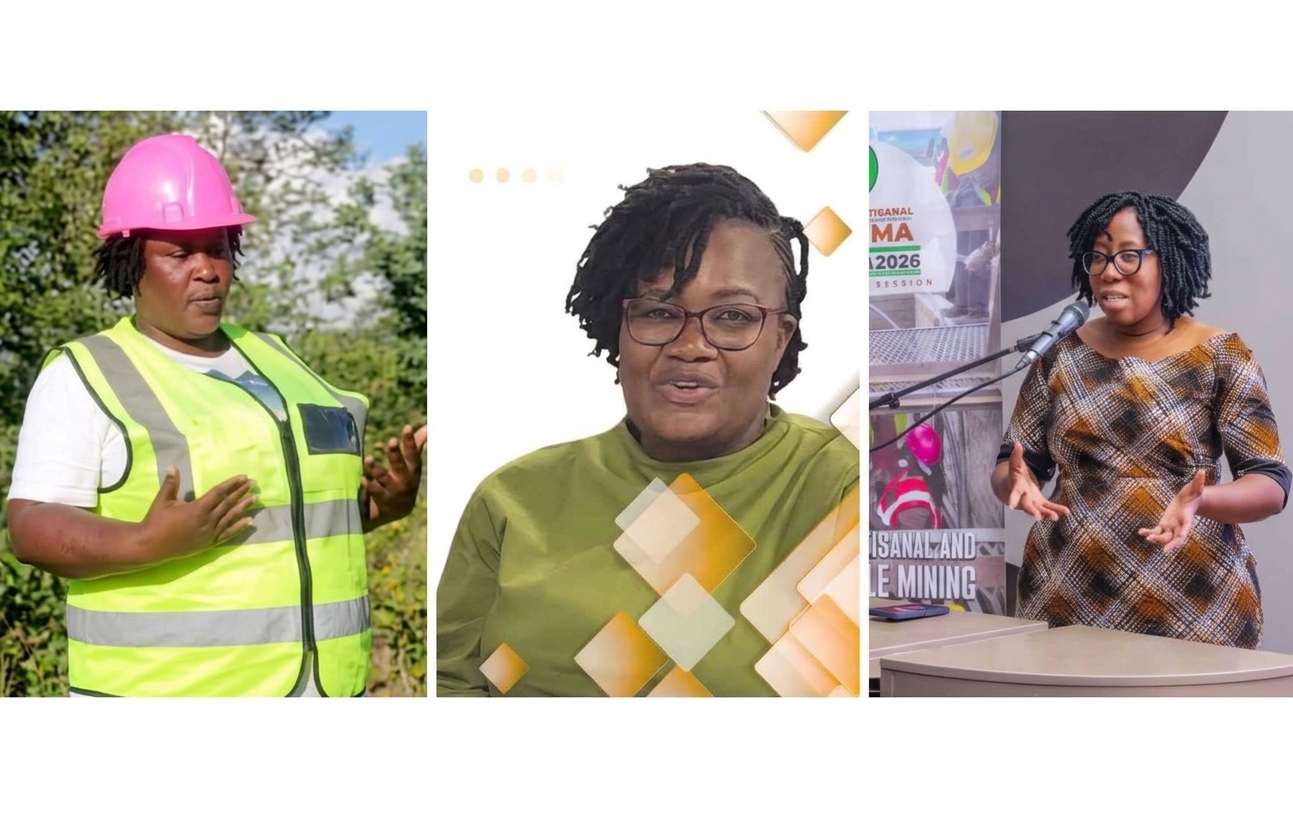
Among women mining entrepreneurs, Kundai Chikonzo is recognised for her involvement in gold mining. She also serves as Chairperson of the Zimbabwe Artisanal and Small-Scale Women Miners Association (ZASWMA), where she advocates for the empowerment, formalisation and advancement of women in the mining sector.
Chiedza Chipangura has been associated with leadership roles within the small-scale mining sector in Mashonaland West and is known for her interests in multiple mineral commodities including gold. She is also the Head of Secretariat for the International Council for Artisanal and Small-Scale Mining (ICASM), a global organisation representing artisanal and small-scale miners across Africa, Asia and Latin America.
The call for inclusion is rooted in the realities women continue to face across the sector. While mining is increasingly recognised as a key driver of economic growth, female miners often encounter significant barriers in accessing finance, securing mining rights, obtaining equipment and participating in decision making structures.
These challenges have limited their ability to scale operations and fully benefit from the country’s mineral wealth.
Among the most pressing expectations is improved security of tenure.
Women miners have repeatedly highlighted the challenges associated with disputed mining titles and ownership conflicts, particularly in the small-scale and artisanal mining sectors.
For many, secure and transparent mining rights are essential because they determine not only access to mineral resources but also the ability to attract investment and obtain financial support.
The proposed introduction of a digital mining cadastre system is therefore viewed as one of the most important reforms under consideration.
By creating a transparent record of mining rights and ownership, the system is expected to reduce disputes, improve confidence in mining titles and provide greater certainty for investors and mining operators alike.
Women miners hope this will help level the playing field in a sector where access to mining rights has often favoured those with greater resources and influence.
Access to finance remains another major concern. Female miners have consistently argued that funding constraints continue to limit growth opportunities in the sector.
While mining titles are potentially valuable assets, uncertainty surrounding ownership and administration has often reduced their usefulness in securing loans and other forms of financial support.
As a result, many women expect the new Bill to create a stronger and more credible mining rights framework capable of improving the bankability of mining assets and unlocking access to capital for women-led mining enterprises.
Representation is also emerging as a central issue in the reform debate. Reports on the proposed Bill indicate that the reconstituted Mining Affairs Board will include provisions aimed at ensuring gender balance in its composition.
If implemented, this would mark a significant shift from existing structures and provide women with a more meaningful role in shaping policies and decisions affecting the mining industry.
The appointment of Blessing Hungwe to the Mining Affairs Board this year has been widely welcomed as a significant milestone for women’s representation in mining governance, bringing the voices and concerns of women miners closer to one of the sector’s key decision-making bodies. Hungwe is a prominent miner and the Founder and Patron of the Zimbabwe Association of Women in Mining Associations (ZAWIMA), where she has championed increased participation, empowerment and advocacy for women in the mining sector.
For many stakeholders, representation is about more than numbers. Women miners argue that policies are more likely to respond to their challenges when women are present in institutions responsible for regulating and developing the sector.
Greater participation in governance structures could strengthen advocacy around financing, safety, training, equipment access and business development opportunities.
The push for reform is also taking place against a backdrop of increasing recognition by government that mining policies should be more inclusive.
In 2025, the Ministry of Mines and Mining Development established a Department of Gender Mainstreaming, Inclusivity and Wellness, signalling a growing commitment to addressing barriers faced by women in mining.
Dr Musaida Mercy Manyuchi has also played a key role in mineral value addition, beneficiation and research through the Ministry of Mines and Mining Development, with particular interest in mineral processing and industrial development.
The department was created to focus on issues ranging from access to finance and equipment to workplace safety, discrimination and broader participation in the sector.
Women miners, however, are keen to see these commitments reflected in legislation. They argue that gender inclusion should not exist solely as policy but should be embedded in the legal framework governing the industry. This would ensure that gains made today are protected and sustained in the future.
Recent calls from women mining organisations have underscored the importance of ensuring that the new law reflects the lived realities of women working in the sector. Stakeholders have urged lawmakers to ensure that gender equity is not treated as a secondary issue, but as a fundamental component of a modern and competitive mining industry.
As Parliament deliberates on the Mines and Minerals Bill 2025, the debate for women miners is about far more than updating an outdated law.
It is about whether Zimbabwe’s most significant mining reform in decades will recognise women as full participants in the sector and create a framework that expands opportunity, strengthens inclusion and supports sustainable growth.
For many women in mining, success will not be measured solely by the passage of a new law, but by whether that law delivers practical solutions to the challenges that have persisted for generations under a framework that never formally recognised their place in the industry.