


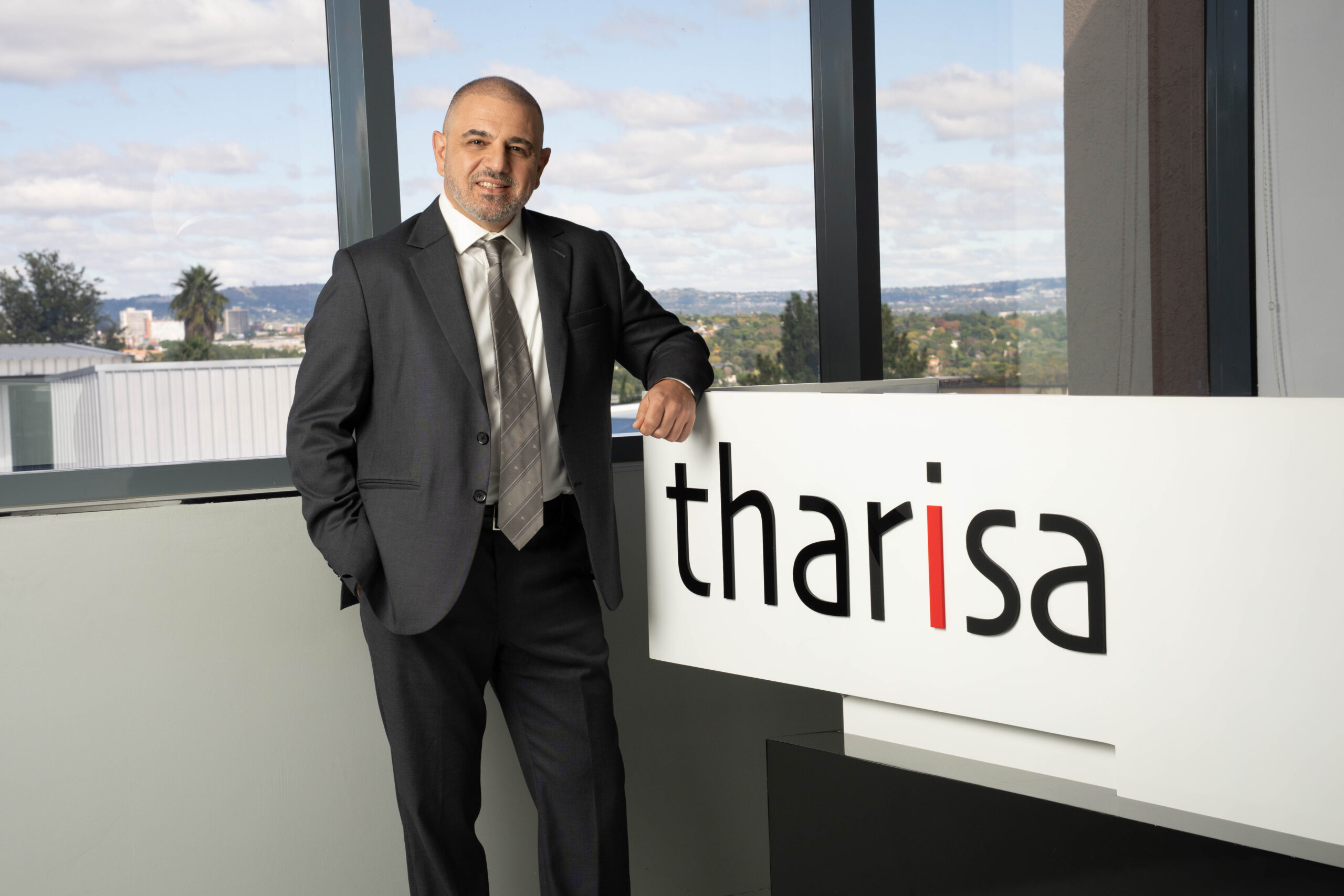

Mining group Tharisa has raised US$300 million through a five-year bond to help complete construction of its Karo Platinum Project in Zimbabwe.
The money, raised from international investors, will be repaid over five years. The bond carries an annual interest rate of 11%, with interest paid twice a year. It was issued at 98% of its face value, meaning Tharisa will receive slightly less than US$300 million upfront while still repaying the full principal.
The bond was oversubscribed, showing that investors were keen to buy more of the debt than what Tharisa was offering. More than 150 investors took part, with demand coming from Europe, the UK, the Middle East, North America and Asia. The financing provides Tharisa with the money it needs to complete Karo, which will more than double Tharisa’s platinum production once it is fully running. The mine at Selous is expected to start production in 2027, after a three year delay caused by the collapse of platinum prices.
Tharisa CEO Phoevos Pouroulis says the strong investor response shows growing confidence in the project following progress on its development and the conclusion of key regulatory and commercial agreements. The company recently secured a 25-year special mining lease for Karo and signed a deal with Valterra, the operator of Unki, under which Karo will supply concentrates.
Zim risk and the cost of money
The 11% interest rate is relatively high, showing that investors still see high risks, as the project is still young and also located in Zimbabwe. Pouroulis acknowledges this, saying: “The pricing reflects both the jurisdiction in which the project sits and the fact that Karo is still in construction.”
However, he says Tharisa sees the current borrowing cost as a starting point. “As the project is commissioned and we establish a track record with this investor base, we would expect our cost of capital to reflect that progress.” Tharisa hopes that once Karo is producing and has shown that it can deliver, investors will view the company as less risky, lowering future borrowing costs. – (NewZWire)


