
Zimbabwe is banking on its booming mining sector to cushion the economy from mounting global headwinds triggered by the escalating conflict in the Middle East, with authorities projecting mineral export earnings of up to US$7bn this year.
As the conflict involving the US, Israel and Iran continues, rising oil prices have pushed up the cost of goods and services across the world. Yet Harare believes the impact on the domestic economy will be mitigated by surging gold prices and improving prospects for platinum group metals (PGMs) and lithium.
The government sees mining as a critical buffer against external shocks, providing foreign currency inflows and supporting fiscal stability at a time when many economies are grappling with heightened geopolitical uncertainty.
Strong performances from gold, PGMs and lithium are expected to anchor economic growth and strengthen Zimbabwe’s external position.
Mining contributes between 13% and 15% of gross domestic product and remains one of the country’s largest sources of export earnings.
Authorities say favourable commodity prices, increased beneficiation and reforms aimed at improving the investment climate will place the industry on a stronger growth path.
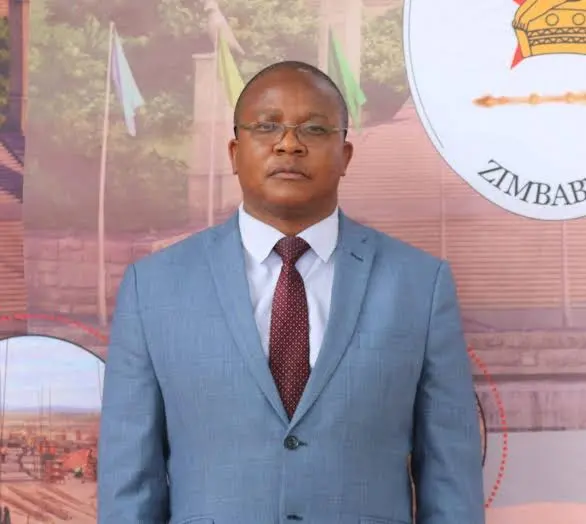
Mines and Mining Development Minister Dr Polite Kambamura told Business Times that the sector was poised for a significant acceleration in earnings during the second half of the year.
“In the first half of the year, we had about US$2bn in revenue inflows to the fiscus. Going forward, we are looking at around US$6.5bn to US$7bn in export receipts,” Dr Kambamura said.
“We expect this to be anchored by minerals such as gold. World market prices for gold are continuing to firm up. PGM prices are also recovering and the emergence of lithium sulphate products is a feather in our cap in terms of improving revenue for Government.”
He added that continued policy support for value addition and beneficiation would further enhance export earnings.
Gold remains Zimbabwe’s dominant foreign currency earner. During the early months of 2026, the precious metal accounted for nearly half of the country’s total merchandise exports and more than 60% of mining sector export revenues.
With investors increasingly turning to gold as a safe-haven asset amid global uncertainty, authorities expect prices to remain elevated, creating a favourable environment for producers.
At the same time, improving PGM prices and the rapid expansion of lithium mining and processing are expected to provide additional support to export revenues.
Dr Kambamura said the country was making progress in moving beyond the export of raw minerals.
He revealed that discussions with operators at Arcadia Lithium Mine in Goromonzi indicated plans to commence production of lithium carbonate, a higher-value product with stronger export potential than raw concentrates.
The push towards beneficiation forms part of the government’s broader strategy to retain more value from the country’s mineral resources.
Proposed amendments to the Mines and Minerals Bill are intended to encourage domestic processing, particularly in the lithium sector, with policymakers hoping the reforms will stimulate industrialisation, create jobs and increase foreign currency earnings.
The strategy could position Zimbabwe as an increasingly important participant in the global battery minerals supply chain, as demand for lithium products rises in line with the transition towards cleaner energy technologies.
Beyond production targets, the ministry is also pursuing institutional reforms aimed at improving transparency and restoring public confidence.
Dr Kambamura challenged officials to eliminate corruption and deliver services impartially.
“All miners should be treated the same no matter where they come from. I want ministry officials to serve the grandfather from Kadoma in the same manner they serve influential people. We are here to serve the people of Zimbabwe without fear or favour,” he said.
He set an ambitious target for the ministry to become the best-performing department in government by the end of the year.
“I want the Ministry of Mines and Mining Development to be recognised as the best-performing ministry in government, measured not by our words but by our results,” he said.
Deputy Minister Caleb Makwiranzou said the ministry’s priorities included completing the computerisation of the Mining Cadastre System, upgrading equipment and technology, improving staff training and modernising records management.
The cadastre system is expected to improve transparency in the allocation and management of mining claims while reducing administrative bottlenecks that have historically constrained investment and project development. – (Business Times)