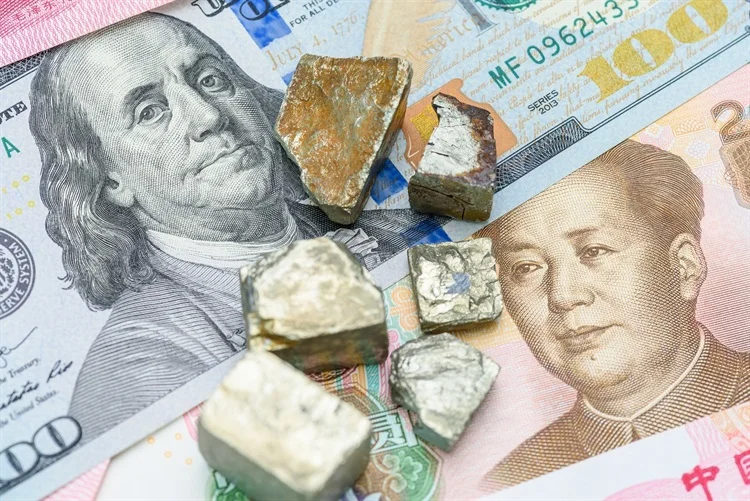

Government’s outstanding export payments to Zimplats jumped 158% over the past year to US$78 million, highlighting how tight control of local currency liquidity is affecting exporters.
Under Zimbabwe’s forex retention rules, exporters keep 70% of their earnings in US dollars, while the remaining 30% must be paid to them in local currency, the ZiG. The system allows government to capture part of export earnings to meet national needs.
But authorities have been releasing the local currency component slowly as they try to keep a tight lid on ZiG supply to stabilise the exchange rate. The downside is that payments owed to exporters have been piling up.
Zimplats says the outstanding balance rose from US$30.3 million in December 2024 to US$55.5 million in June last year, before ending the year at US$78.1 million. Says Zimplats: “The implementation of tight monetary and fiscal policy measures by the authorities has resulted in intermittent releases of local currency, resulting in the accumulation of ZWG balances.”
The issue is not unique to Zimplats. Recently, Valterra, which operates Unki Mine, said it was owed the equivalent of about US$100 million in ZiG under the same arrangement.
Despite the payment delays, Zimplats is pressing ahead with major expansion projects as part of a US$1.8 billion long-term investment programme in Zimbabwe. The miner is developing new mining areas and has so far invested US$360 million out of a planned US$386 million budget for the projects. It is also expanding local processing.
Zimplats has invested US$466 million so far in processing upgrades out of a total project budget of US$544 million. The plans include refurbishing the base metal refinery, which would ultimately allow full local beneficiation of platinum.
For the half year to December, Zimplats reported revenue of US$641.8 million, up 83%, helped by a 66% jump in average metal prices. Profit after tax surged to US$143.7 million from US$4.1 million in the comparable period a year earlier. – (NewZWire)