


OPERATIONS by Chinese miner Chengxi Pvt Ltd, which is in partnership with President Emmerson Mnangagwa’s son Collins, have left hundreds of houses in Shurugwi Town with cracks with residents living in fear that their homes may collapse, an investigation by a local media has established.
The investigation, in partnership with Information for Development Trust (IDT) also established that Chengxi’s operations have disrupted livelihoods and caused air and water pollution, besides the well-documented environmental damage on the iconic Wolfshall Pass, also known as Boterekwa escarpment.
Chengxi also cut off villagers from their fields, pastures and areas they used to pick mushrooms and wild fruits, by deploying armed guards to protect its claims.
The investigation established that a villager, Emmanuel Geje (20), was shot and injured by a Chengxi Chinese employee on 4 September 2024. Villagers also say company employees and guards have occasionally set dogs on them for straying onto their claims.
Many villagers say they have silently endured abuse by the company because of its association with the president’s son and senior Zanu PF officials.
Last year, Chengxi constructed the Zanu PF District Party offices in Shurugwi.
Midlands’s Minister of State for Provincial Affairs and Devolution, Owen Ncube, who is Mnangagwa’s close ally, officiated at the commissioning.
Chengxi has been carrying out open-cast gold mining in Shurugwi since 2021.
The entity is a privately owned mining company with a notable presence in Southeast Asia, East Africa, and Central America.
Locally, its ownership details remain somewhat obscure, although it is known that Collins Mnangagwa, serves as the chairman and senior partner of the gold mining company.
The company is operating heavy machinery including excavators, rigs and dump trucks. It is conducting massive open pit mining which threatens to deplete the area of its natural resources and grazing lands, jeopardising the livelihoods of future generations.
Our investigations have established that heavy machinery and dump trucks disrupt the community’s longtime peace, operating relentlessly from dawn until dusk.
These heavy-duty trucks have also become common, even in the town centre.
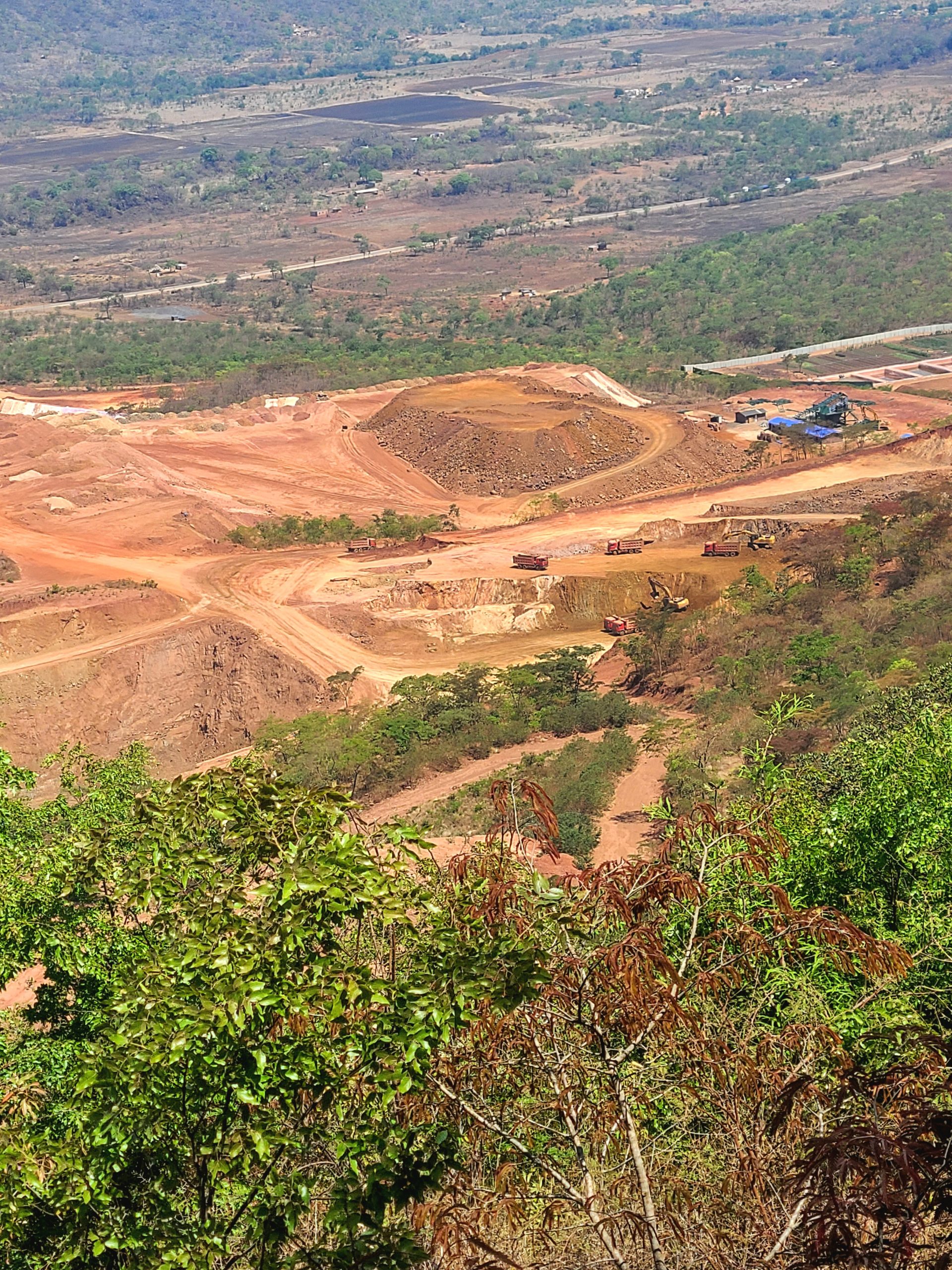 Dump trucks and other machinery seen on site at Chengxi mine along Boterekwa pass
Blasting and the fear of houses collapsing
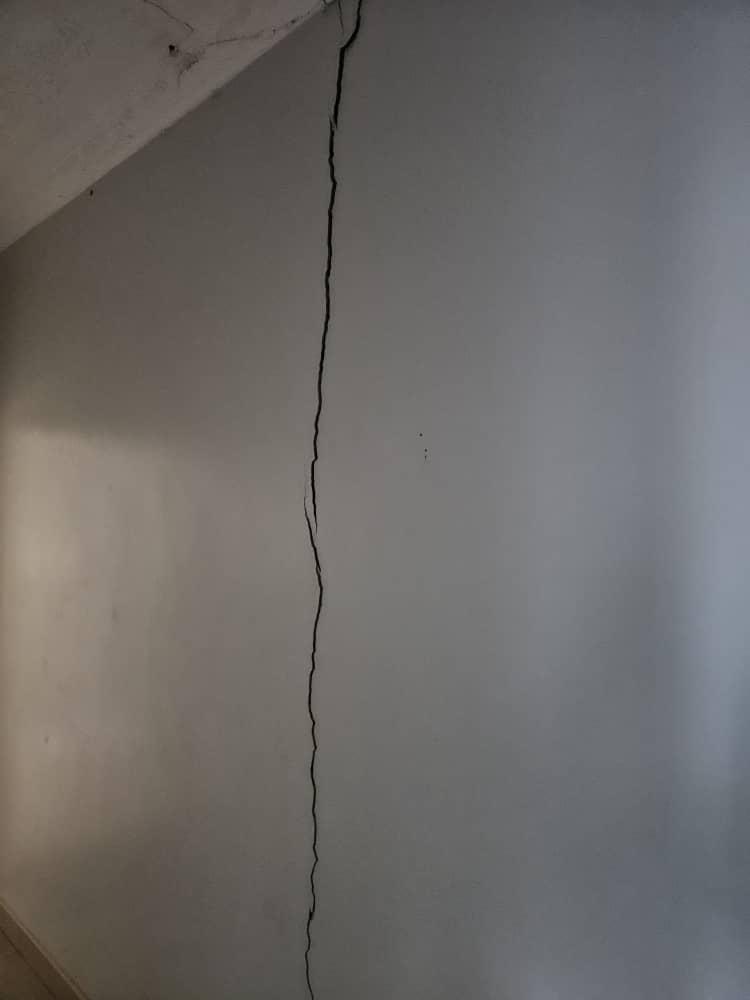
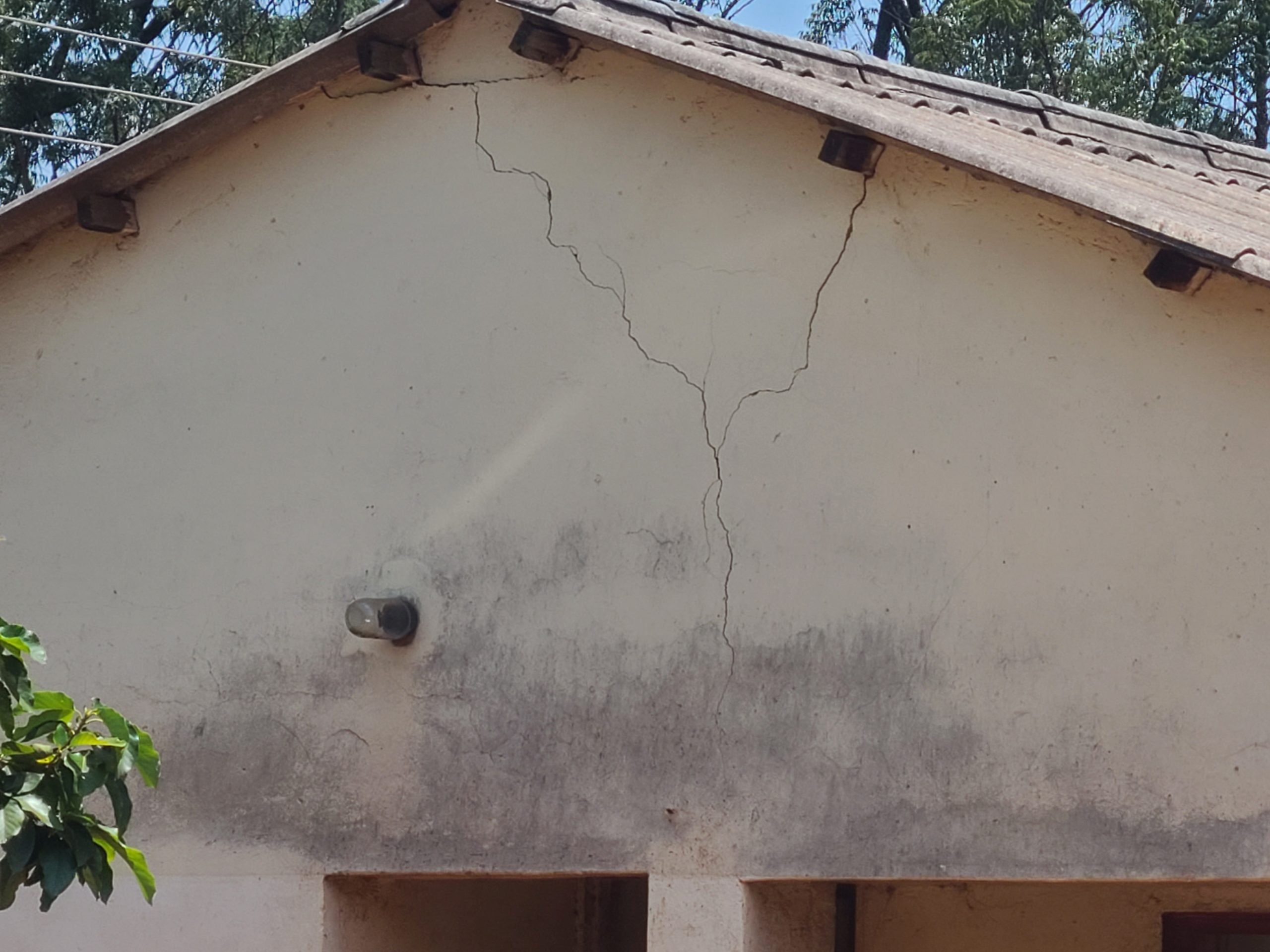
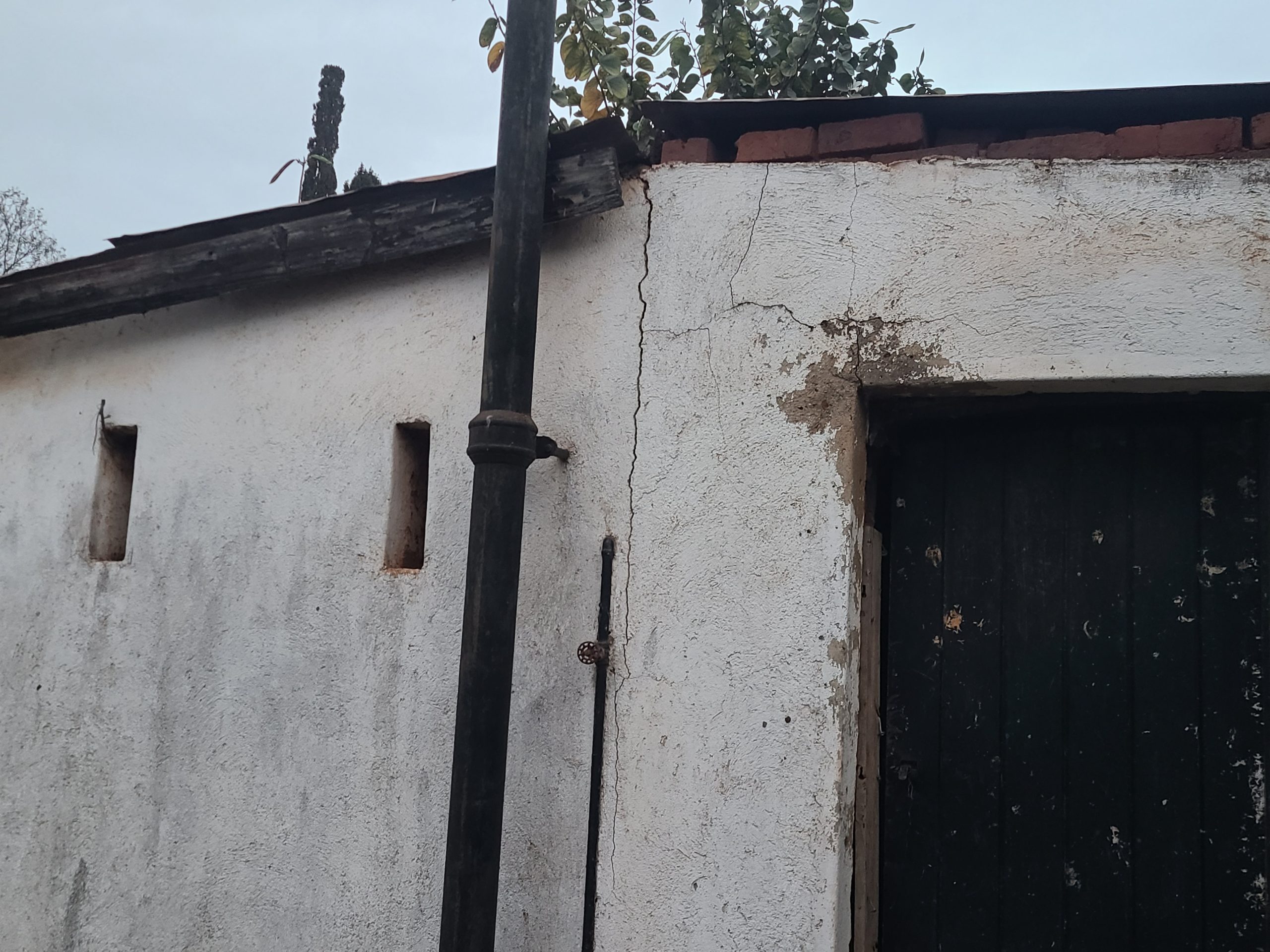
The investigation established that Chengxi is using high-capacity explosives, whose impact is felt in Shurungwi residents’ homes. In some cases, ceilings have fallen while windows have broken during blasting.

“Chengxi is the main culprit because of the magnitude of their operations.
“The impact of their blasting is felt far away from the mine but there are other Chinese and black-owned companies who are also contributing to the damage.
“Not houses only are affected. There are water reservoirs at MacKinnon Kopje where mining is taking place. There are also network boosters on this mountain as such they are all under threat,” said Pardon Machocho the chairperson of Shurugwi Residents Trust.
“We get complaints of houses cracking and in some cases, windows break and this happens frequently.
“Hundreds of houses have been affected in Shurugwi urban our pleas have fallen on deaf ears.”
Machocho said disaster is looming in Shurugwi due to the combined effects of the blasting and the area’s many underground tunnels.
“We have petitioned the local authority and government but we are yet to get a meaningful action,” he said.
Machocho listed 17 affected residential areas, including Makusha, Ironsides, Ironkop, Dark City, Feny Creek, MacKinnon Kopje, Tebekwe, Camperdown, and Wanderer.
Slyvia Moyo* (65) of Mambowa, a high-density suburb in Shurugwi said most houses are old having been built during the Smith regime.
“This makes many houses vulnerable to collapsing,” she said.
“We live in fear due to the ongoing blasting by Chinese miners. Our houses sit above underground tunnels, and every blast feels like an earthquake. The risk of structural collapse is huge.
“Our houses have developed cracks which widen each time they blast. In some cases, ceilings collapse on us. The blasting is so intense that sometimes kitchen utensils such as water glasses get damaged,” she said.
This reporter counted 20 houses around Leilano Lodge and Selukwe Primary School, close to the Central Business District, which had cracks. The owners say the cracks were a direct result of Chengxi’s blasting operations.
Chemicals, Dust and Visibility
The dust has also become an issue due to Chengxi’s Mining operations.
Residents say pervasive red dust impacts visibility, making it hazardous for motorists, who often find it necessary to stop their vehicles, especially in the Boterekwa area during blasting operations.
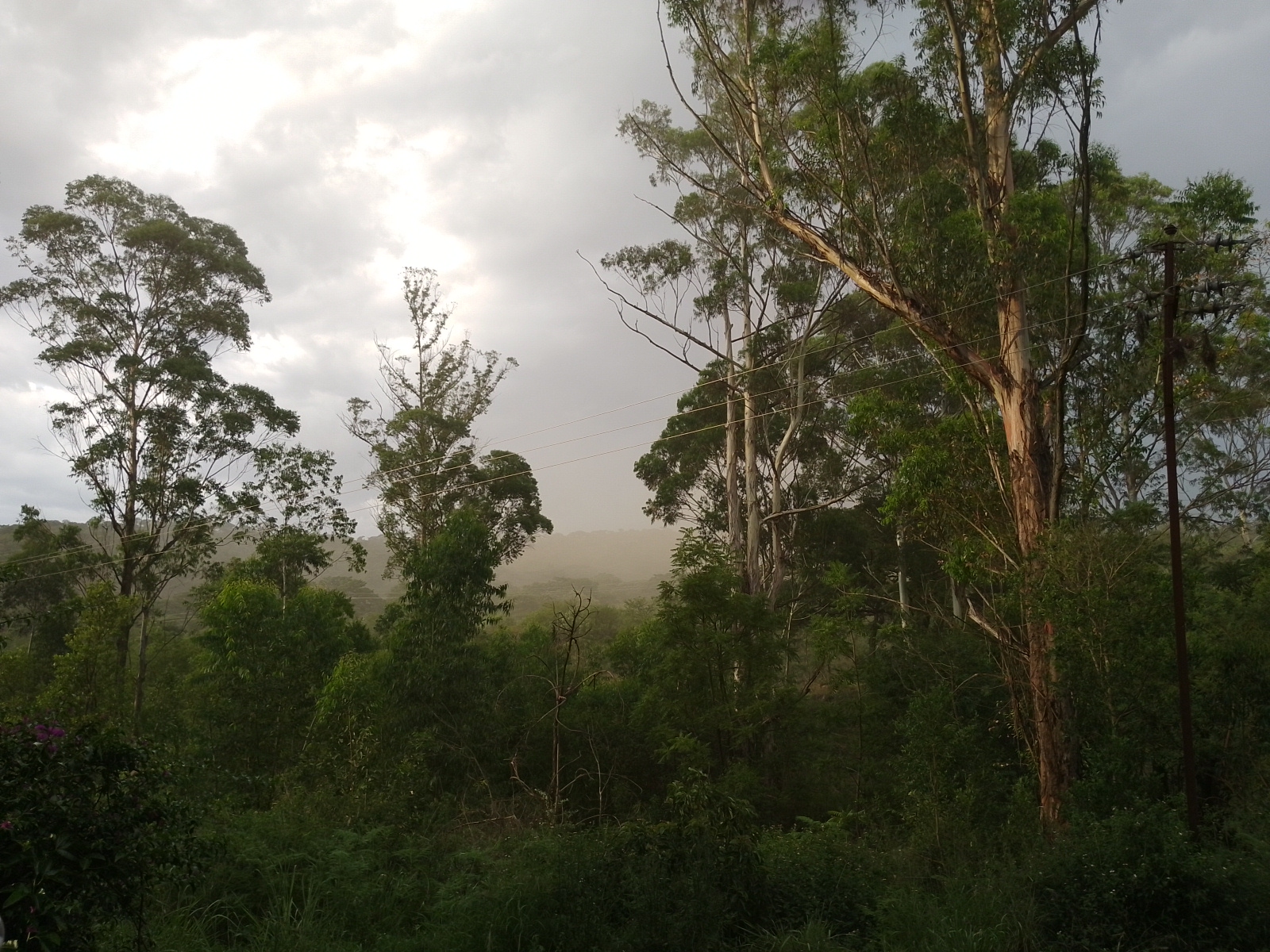 Dust engulfs the environs after blasting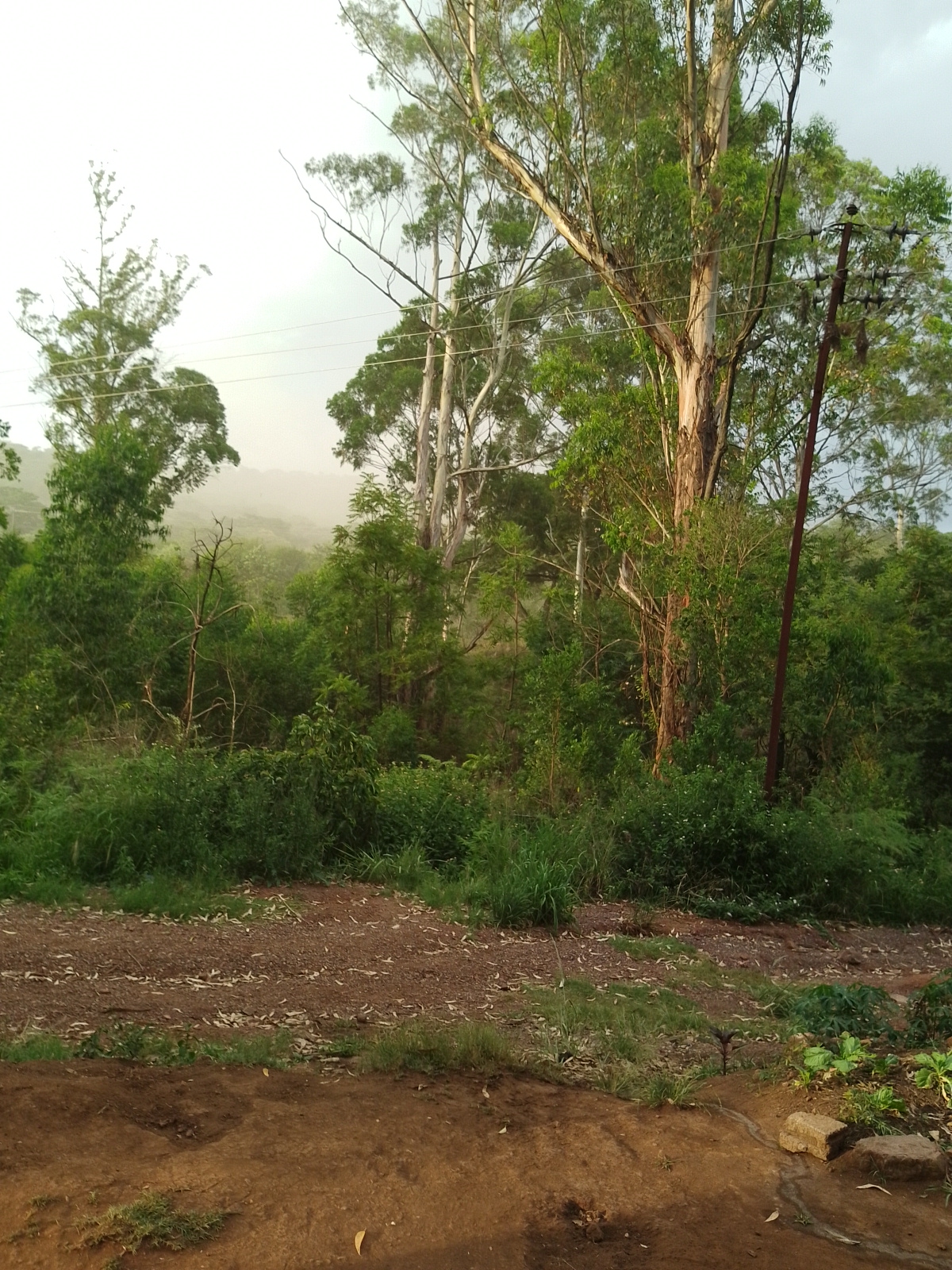
Blasting is done randomly and community members say they are seldom informed of blasting schedules. Blasting occurs day and night.
“We now have to damp-clean our houses constantly due to the dust, and children are at risk of being hit by vehicles, as visibility is often poor. But crucially, we wake up every day fearing for our lives,” lamented Emilda Moyo* (38) from Feny Creek area.
Community members also complained that chemicals are being washed into streams and rivers including the Mutevekwi River which is close to the Boterekwa area.
Chipo Mutuke* (40) a villager from Marishongwe said most Shurugwi villagers had resigned to fate because of Chengxi’s association with politicians.
“Our leaders (village heads) say they can’t do anything because there are ‘higher-ups’ involved in this exploitation,” Mutuke said.
“There are senior figures involved. This situation is talked about everywhere, yet help seems distant. The company is excavating everywhere. We no longer feel safe in our own homeland. They have desecrated places we hold sacred, dug up graves, and destroyed mountains; nothing remains for us to cherish.”
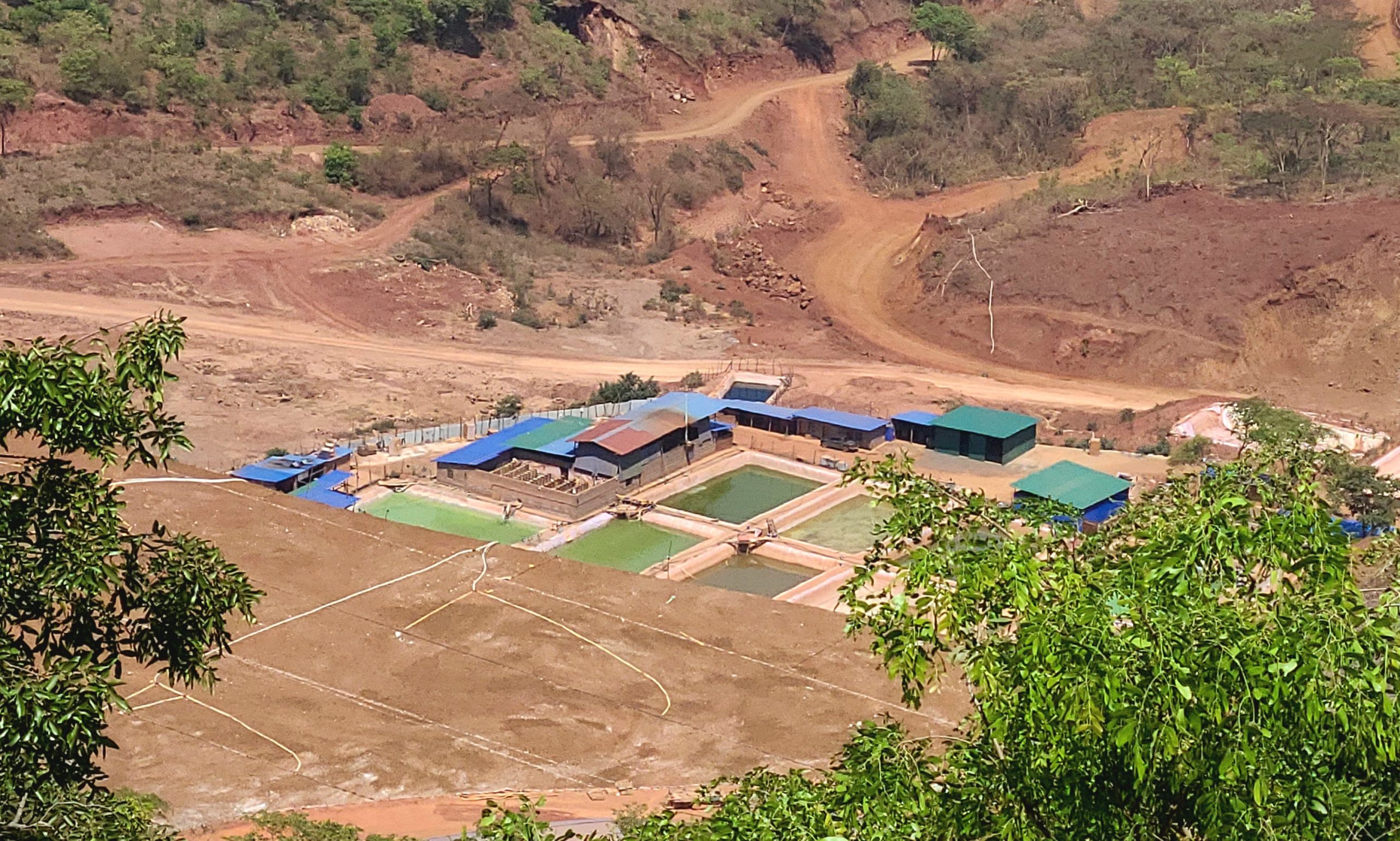 Leaching beds at the mine
Disrupted Lifestyles
Villagers said indigenous trees, including fruit trees, were being buried under Chengxi’s mine dumps. This reporter witnessed this in Camperdown.
The trees such as muzhanje provided a livelihood for the community members who would gather fruits for consumption and sale.
“The company does not even give us a chance to cut the trees for firewood so that we at least benefit something,” said Moyo.
“We can no longer gather fruits or mushrooms in the forest, as they prohibit us from getting close to their mines. Grazing land for our livestock has been destroyed because vast stretches of forest have been cleared, which deeply concerns us. Arable land is slowly vanishing. Soon, everything will be lost.
Moyo added: “Dunraven Falls was once a sacred site for spiritual rituals, like rainmaking ceremonies. Now, the river is obstructed, and no water flows through the falls anymore.”
This reporter observed armed guards at the Chengxi Peak mining area at the Boterekwa pass. Some guards were stationed at the Peak View tourist site to prevent people from approaching the claim.
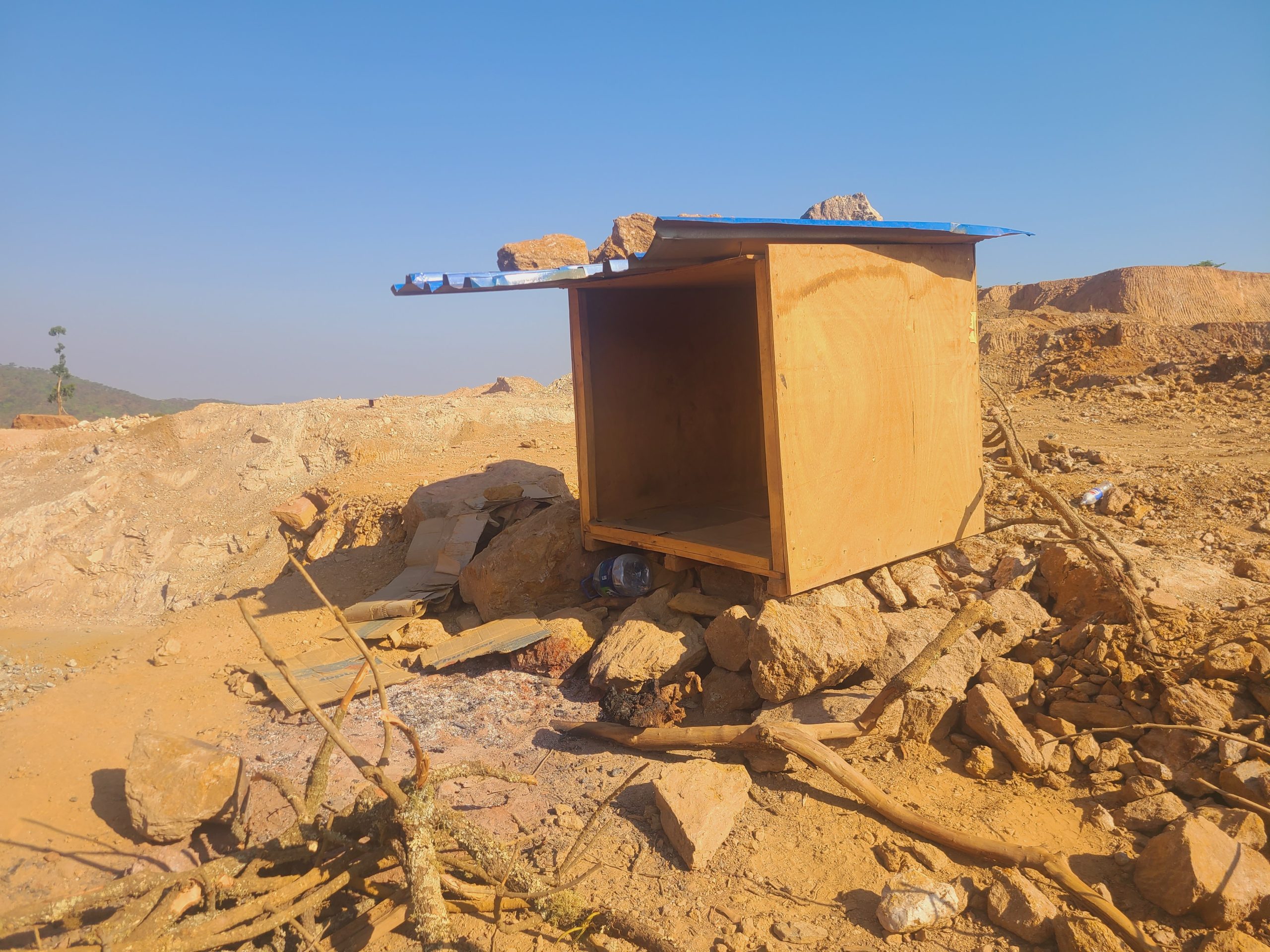 A guard room at Chengxi Dunraven claim
The news crew had to negotiate with some guards to be able to take pictures at the popular site.
Geje’s Shooting
Villagers revealed that tensions between guards and community members were common, often resulting in company security officials firing in the air or setting dogs on trespassers.
A Shurugwi resident, Emmanuel Geje was shot in the right leg by a Chinese national employed by Chengxi at its Dunraven mining claim on September 4, last year.
Geje told NewZimbabwe.com that he was passing through the area on his way to buy fuel. He said he has not been given an explanation why he was shot.
“The company gave me US$5 000 for medication but I never really got answers regarding why I was shot. It was even difficult to get them to pay for my medication. My relatives had to intervene,” he said.
Chengxi general manager Simon Karimanzira admitted that the incident happened, but said Geje had trespassed onto the company’s premises.
“He is an illegal miner and it is a lie that he was just passing by,” Karimanzira said.
“It was a cat and mouse day. They had illegally trespassed. The fact is that they cornered our guy together with his colleagues. It was 10 of them and our guy shot him to protect himself.”
Shurugwi MP speaks out
Shurugwi North legislator Joseph Mpasi, whom villagers allege is close to Chengxi officials and other Chinese miners, said he had not received a formal complaint from Shurugwi residents.
He dissociated himself from the company although he maintained it was operating above board.
“People complain that they are destroying their land but they do not understand the mining operations now happening in their land,” he said.
He attributed the villagers’ concerns over the destruction of the environment to the fact that they had not witnessed large-scale mining before.
“Growing up in this area, we have never seen massive mining taking place, so people are now having concerns, but these are legally pegged claims. They have been there for many years for the purposes of mining chrome and gold,” Mpasi said.
“I have overheard people talking but officially no one approached me to say we have a challenge. If they come to me and say the Chinese are not obeying the laws of Zimbabwe and are not doing the right thing, they do not have EIA, I will obviously attend to that because it is my duty as an MP. I won’t be aware if they don’t tell me.
“Chengxi is doing a lot. They are drilling boreholes and employing our people. They are also helping contractors to mine … But we have got about a quarter of the Chinese that are not even doing anything to the community where they are operating from.”
Our operations are above board: Chengxi
Karimanzira confirmed that Chengxi holds claims in Peak Area Boterekwa, Wanderer and Danranven areas of Shurugwi, which many villagers saw as tourist attractions.
He, however, dismissed concerns that the company was destroying tourist attractions.
“If we look back, how much was realised through tourism from the Boterekwa area? Compare that with what we are getting out of there now. We extract gold and send it to Fidelity for the betterment of our economy,” Karimanzira said.
“My company has been operating in Shurugwi since December 2021. My company legally acquired all the mining claims it is operating and its certificates are up to date and on some of the claims we are currently in the process of consolidating our EIAs as we are a company that believes in 100 % compliance with the laws of Zimbabwe.”
He confirmed that Chengxi has been fined for flouting environmental, labour, safety or mining laws and that villagers had raised concerns over the blasting, but insisted nothing was amiss.
“It’s not a peculiar situation for a big company like ours to receive a few tickets and orders from time to time and because we are a law-abiding company with compliance legal documents we have never been shut down,” Karimanzira said.
“On the issue of blasting, we have reviewed our blasting techniques and timetable working closely with the Ministry of Mines and at some point we actually voluntarily suspended our blasting to address the concerns of the community because we want to coexist in harmony with our community and nature.”
Karaimanzira said Chengxi was conducting open cast gold mining and dismissed concerns that the company’s operations were causing the siltation of rivers.
“In cases where our operations encounter feeder streams or small streams within our mining claims we consult EMA and upper Runde Sub catchment council hydrologists to help us construct certified water diversions which do not harm the ecosystem…. Remember we subscribe to the principle of living in harmony with nature,” he said.
He also denied allegations that the company was discharging chemicals into the environment and water bodies.
“We work closely with EMA. They come and conduct periodical testing of water sources within our mining areas and we have not been found wanting of any violations of chemical discharge into the environment,” he said.
“In cases where we sought to acquire more land, we worked and continue to work closely with the Lands office and DDC’s office to help facilitate win-win compensation agreements with affected community members so it would be a distortion to suggest that we displace community members without any valuable compensation packages.”
An official from the Ministry of Mines acknowledged the environmental degradation but indicated that rehabilitation efforts “would only commence once the mineral resources in these areas have been depleted.”
The officials interviewed by our publication were evasive, often deferring questions to one another.
The Environmental Management Agency (EMA) said commenting on the situation was challenging due to the involvement of multiple sectors in mining.
EMA spokesperson Amkela Sidange directed this reporter to the mines licensing department, although she did not attend to questions about environmental violations.
Provincial Mining Director Khumbulani Mlangeni said a rehabilitation plan was in place for Boterekwa.
“We will be monitoring compliance. The mines hold legal titles, and rehabilitation will only occur after the economic resource is depleted. Many matters relate to EMA compliance, and I believe they have conducted EIAs,” he said.
According to the Centre for Natural Resources and Governance (CNRG), Chengxi’s mining activities have far-reaching consequences and are exacerbating climate risks for local inhabitants.
CNRG director Farai Muguwu said that due to slime spillages, the villages surrounding the Boterekwa River can no longer safely use the river water for domestic or agricultural purposes. Community members have also stated that they are losing a major tourist attraction at Boterekwa Falls due to blasting, slime dams, and general deterioration of air quality.
“The hills, which serve as vital aquifers, are being destroyed, disrupting the delicate water table and rendering the local population increasingly vulnerable to droughts,” Maguwu said.
“This ecological onslaught not only jeopardises the region’s biodiversity but also undermines the livelihoods of local communities, who depend on these natural resources for their survival.
“The long-term effects of this environmental degradation will be catastrophic, perpetuating a cycle of poverty, displacement, and human suffering.” – (NewZimbabwe)
*Names have been changed to avoid victimisation


