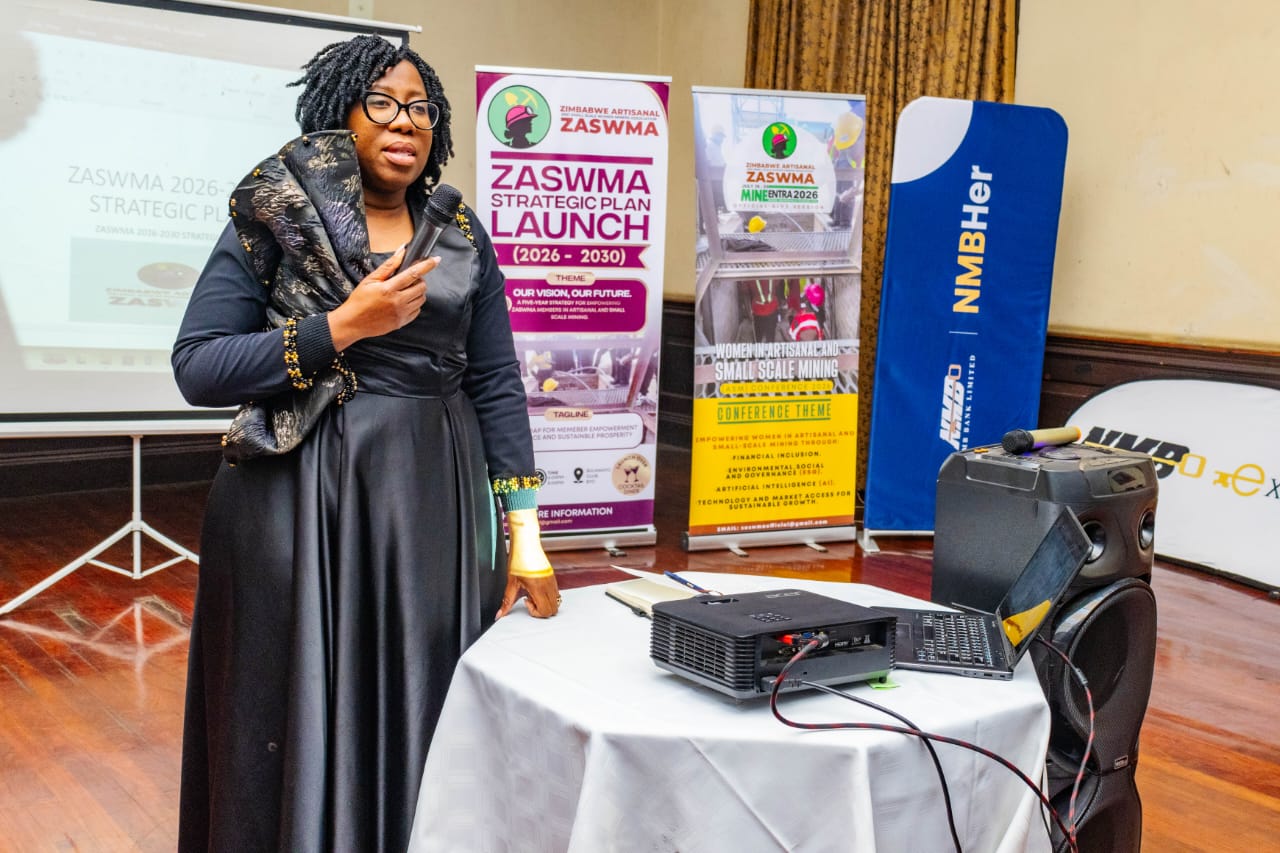

The Zimbabwe Artisanal and Small-Scale Women Miners Association (ZASWMA) has proposed the enactment of a dedicated Artisanal and Small-Scale Miners Act to address the unique operational, financial, social and occupational safety challenges facing small-scale miners, particularly women.
The proposal is contained in the association’s position paper titled “Gender-Responsive and Inclusive Legislative Reforms for the Protection, Formalisation and Sustainable Development of Women in Artisanal and Small-Scale Mining,” submitted to the Ministry of Mines and Mining Development as part of stakeholder consultations on the proposed Mines and Minerals Bill, 2025.
In the document, ZASWMA says while it supports the modernization of mining legislation and the introduction of transparent systems for acquiring and managing mining rights, reforms must also take into account the realities of artisanal and small-scale mining.
“We recognise the importance of reviewing the existing Mines and Minerals Act to strengthen governance, improve transparency, promote responsible mineral exploitation, attract investment and enhance inclusion. However, reform must be informed by the realities of how artisanal and small-scale mining (ASM) is organised, financed and operated in Zimbabwe,” the association said.
The organization argues that women miners continue to face significant barriers, including limited access to mining claims, inadequate capital, insecure tenure and occupational health and safety risks.
At the center of its recommendations is a proposal for legislation designed specifically for the ASM sector.
“ZASWMA further recommends that the Ministry consider developing a dedicated regulatory framework or a separate Small-Scale Mining Act or Policy to address the specific operational, financial, social and safety characteristics of the ASM sector,” the paper states. “The sector should not be regulated exclusively through provisions designed around the operational and financial capacity of large-scale mining companies.”
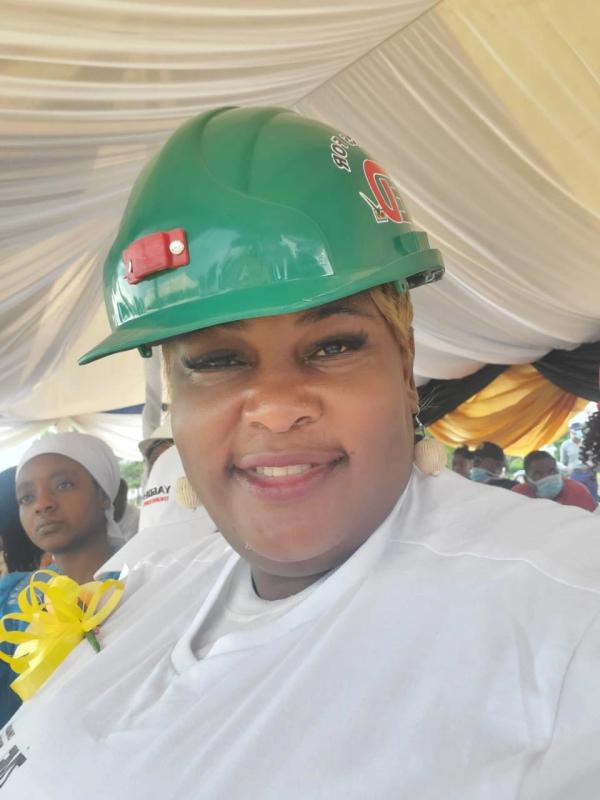
Speaking on the proposal, ZASWMA chairperson Kundai Chikonzo said the artisanal and small-scale mining sector required a legal framework that recognizes its contribution to the economy and its distinct operating environment.
“Artisanal and small-scale miners are an important part of Zimbabwe’s mineral economy. Their contribution demonstrates that the sector has considerable potential to support national development when provided with appropriate support, resources and an enabling regulatory environment,” said Kundai Chikonzo.
The association argues that existing and proposed mining laws do not sufficiently cater for financing arrangements commonly used by small-scale miners, including equipment-sharing agreements, sponsorship arrangements, pooled financing and partnerships.
It also wants Government to strengthen legal protections for women miners, simplify registration procedures, improve access to finance, enhance occupational health and safety standards and guarantee greater representation of women in mining governance structures. Among its proposals is a requirement for women to constitute at least 50% of the membership of the Mining Affairs Board.
According to the paper, mining reforms should not be judged solely on production and investment outcomes.
“It should also be measured by whether ordinary miners, particularly women, can access mining opportunities, retain their titles, secure financing, operate safely, participate in decision-making and benefit economically from their work,” ZASWMA said.
The association further warned that the mining sector would struggle to achieve broad-based growth unless women miners are adequately supported.
“The mining sector cannot achieve inclusive growth if the women who contribute to its development remain underrepresented, underfinanced and inadequately protected,” the paper states.
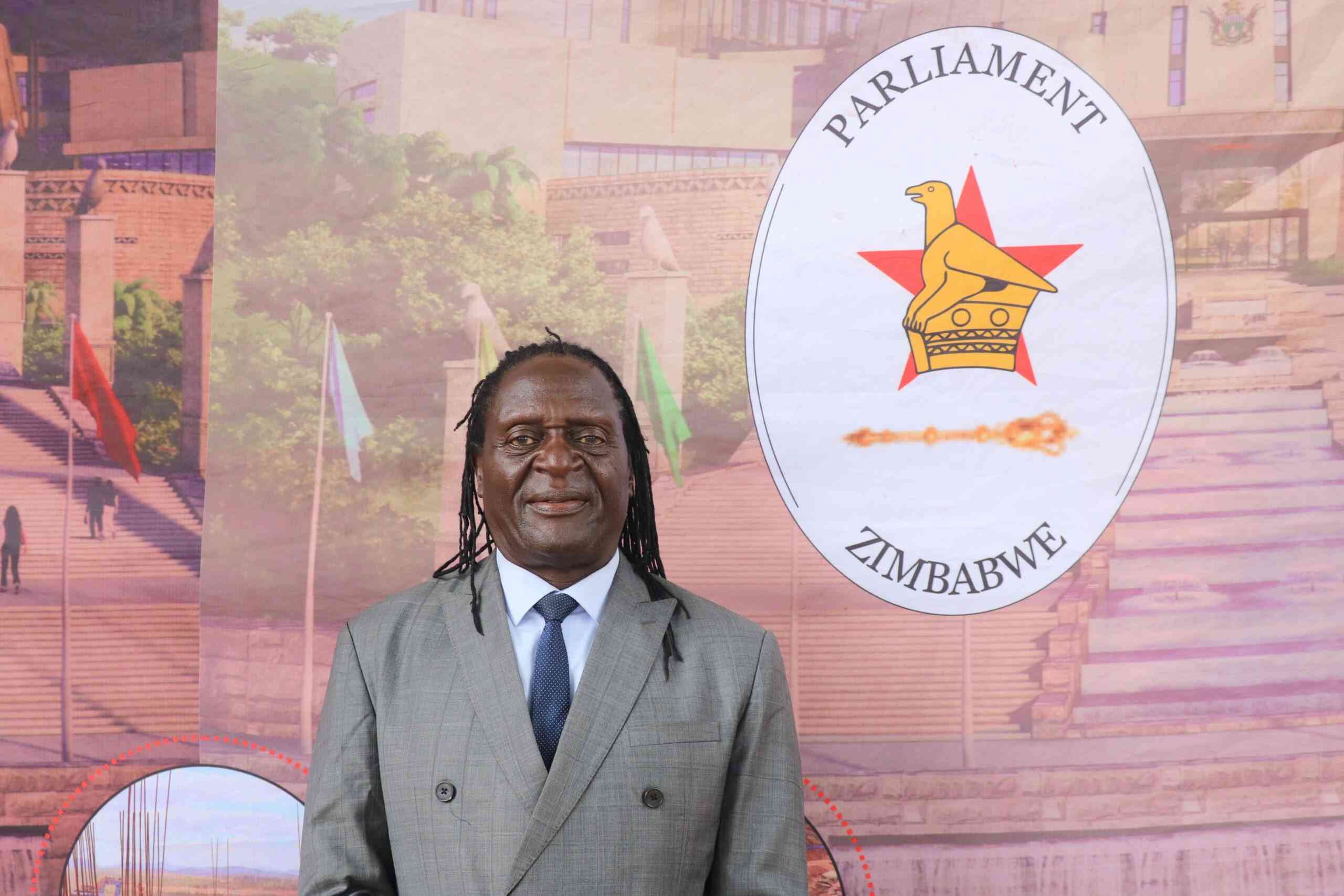
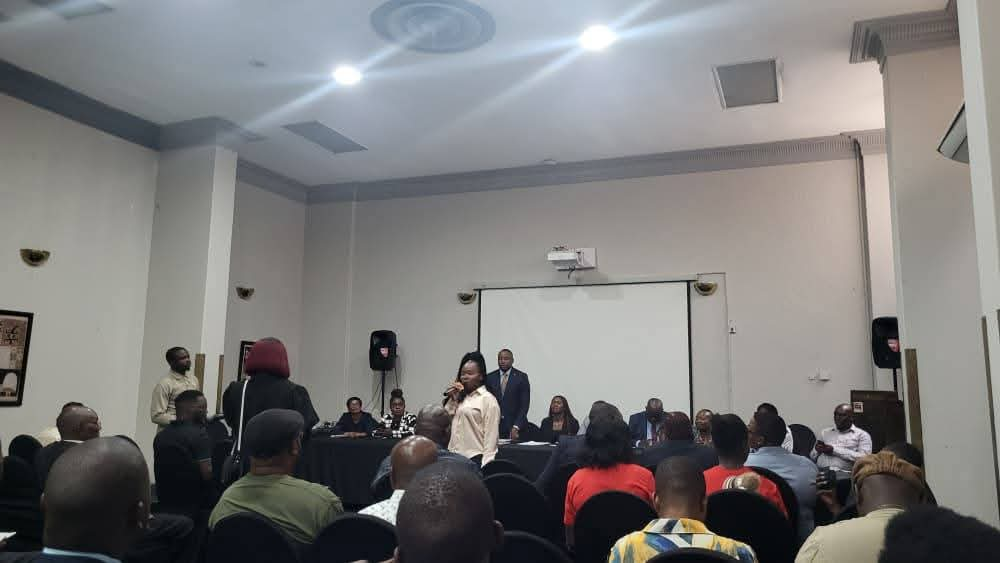
ZASWMA’s submission comes as Parliament conducts nationwide public hearings on the Mines and Minerals Bill, with stakeholders from across the mining sector presenting proposals aimed at shaping the country’s future mining legislative framework.