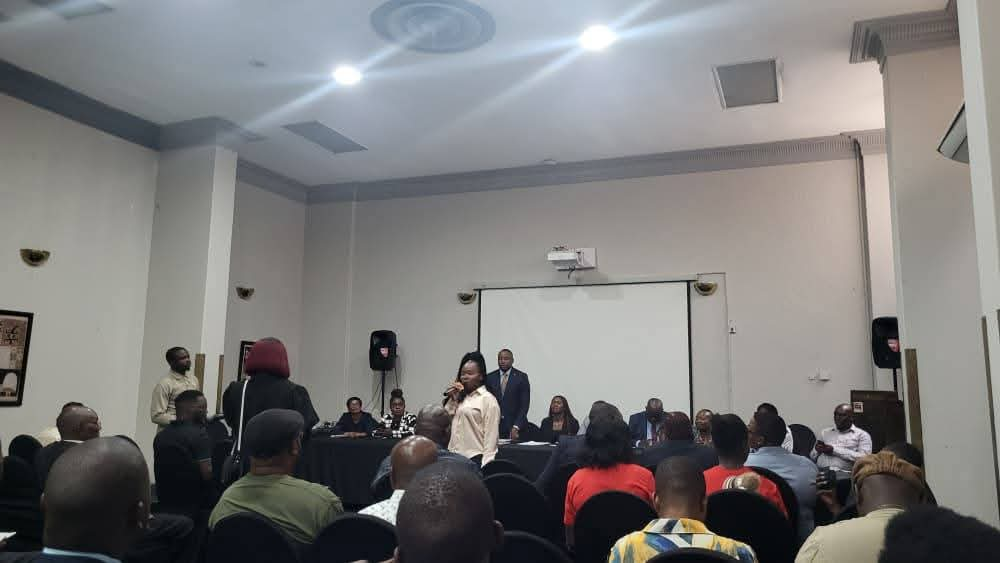

Parliamentary public hearings on Zimbabwe’s proposed Mines and Minerals Bill continue today in Bindura and Esigodini, a day after miners, prospectors and industry stakeholders challenged key provisions of the legislation during the opening consultation sessions in Harare.
The nationwide hearings, being conducted by the Portfolio Committee on Mines and Mining Development, have entered their second day with consultations scheduled for Tendai Hall in Bindura, Mashonaland Central, and Esigodini Heany Hall in Umzingwane District, Matabeleland South.
The provincial engagements follow Tuesday’s hearings in Harare and Bulawayo, where stakeholders in Harare scrutinised several aspects of the Mines and Minerals Bill [H.B. 1, 2025], raising concerns over the protection of mineral rights, exploration licensing, land access and the recognition of artisanal mining.
The hearings are part of a nationwide consultation programme running from 17 to 22 November 2026, covering 12 sessions across all 10 provinces as Parliament gathers public input before the Bill advances through the legislative process.
Attention is now turning to Bindura, one of Zimbabwe’s major artisanal and small-scale gold mining centres, where miners are expected to focus on issues including claim security, licence renewals, access to Fidelity buying centres, formalisation and regulatory compliance costs.
In Esigodini, discussions are expected to centre on recurring disputes involving miners, farmers and local communities over land access, pegging on farms and environmental concerns. The hearings are likely to test one of the Bill’s most contentious issues: how mining rights will be balanced against existing farming and land-use interests.
The proposed legislation seeks to replace the current mining law, which has been in force since 1961, with a new framework governing prospecting, mining rights and the administration of mineral titles. Government has indicated it is targeting completion of the reform process before the end of 2026.
No final position has been adopted on the issues raised so far, with the committee continuing to collect views from mining companies, industry associations, prospectors, small-scale miners, traditional leaders, landholders and communities across the country.