
RioZim has recorded a strong recovery in gold production, reporting output of 445 kilogrammes during the nine months ended September 2026, compared with just 84 kilogrammes produced throughout 2025.
The rebound represents a significant turnaround for the miner after a year marked by operational disruptions, equipment breakdowns and funding constraints that severely curtailed production activity. However, the latest figures also underline the challenge facing the company: converting higher output into sustainable profitability.
According to the company’s latest trading update, gold production reached 174 kilogrammes during the third quarter, supported by improving performance at Renco Mine and the continued restart of operations at Cam & Motor Mine.
The recovery comes after RioZim experienced one of its weakest production periods in recent years. Gold output fell from 428 kilogrammes in 2024 to just 84 kilogrammes in 2025, preventing the company from fully benefiting from record international gold prices and contributing to significant financial losses.
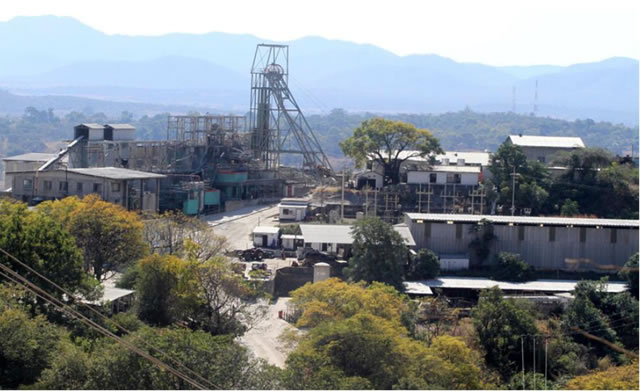
Although production has improved sharply, operational challenges remain. Renco Mine continues to be RioZim’s largest producing asset, contributing 324 kilogrammes, or nearly 73 percent, of total gold output during the nine-month period. However, the company has acknowledged ongoing constraints associated with ageing equipment, frequent breakdowns and limited developed reserves.
These challenges have affected plant availability and production flexibility, increasing operating costs at a time when the company needs stronger cash generation to support investment and debt reduction.
Cam & Motor Mine is expected to play a growing role in RioZim’s recovery. The mine produced 118 kilogrammes during the reporting period following the resumption of operations earlier this year. Of that total, 60 kilogrammes were produced during the third quarter.
The company is currently testing a second milling plant at Cam & Motor, with commissioning expected before the end of 2026. The additional milling capacity is expected to improve throughput and reduce production interruptions caused by maintenance requirements and equipment failures.
RioZim is also developing a new tailings storage facility at the mine, with commissioning targeted for the first half of 2027 as part of efforts to support future processing capacity.
Despite the production growth, questions remain over the profitability of the company’s gold operations. Interim financial results showed that the gold segment remained loss-making during the first half of the year, highlighting the gap between increased production and sustainable earnings.
The company’s financial position also remains under pressure despite progress in restructuring and reducing liabilities. RioZim continues to face liquidity constraints and remains focused on strengthening its balance sheet while restoring stable mining operations.
Adding to investor scrutiny is an unexplained discrepancy in the company’s production disclosures. RioZim reported gold production of 213 kilogrammes for the first half of the year and 174 kilogrammes during the third quarter, which together total 387 kilogrammes. However, the company reported cumulative nine-month production of 445 kilogrammes, leaving a difference of 58 kilogrammes that was not reconciled in the latest update.
The issue is likely to attract attention from investors and market analysts, as production figures are a key measure of operational performance and recovery progress.
Meanwhile, shareholder-approved plans to dispose of Renco Mine form part of RioZim’s broader restructuring strategy. While the transaction is expected to support debt reduction and investment in remaining assets, it will also reshape the company’s future production profile given Renco’s dominant contribution to current output.
For now, RioZim’s latest update confirms that its mines are producing again after a difficult period of operational setbacks. The next phase of the recovery will depend on whether increased production can be translated into sustainable operating profits, stronger cash flows and long-term financial stability.