
Zimbabwe is emerging as one of Africa’s most promising destinations for mining investment as global demand for critical minerals accelerates, with investors increasingly targeting lithium, gold and other strategic minerals needed for the energy transition.
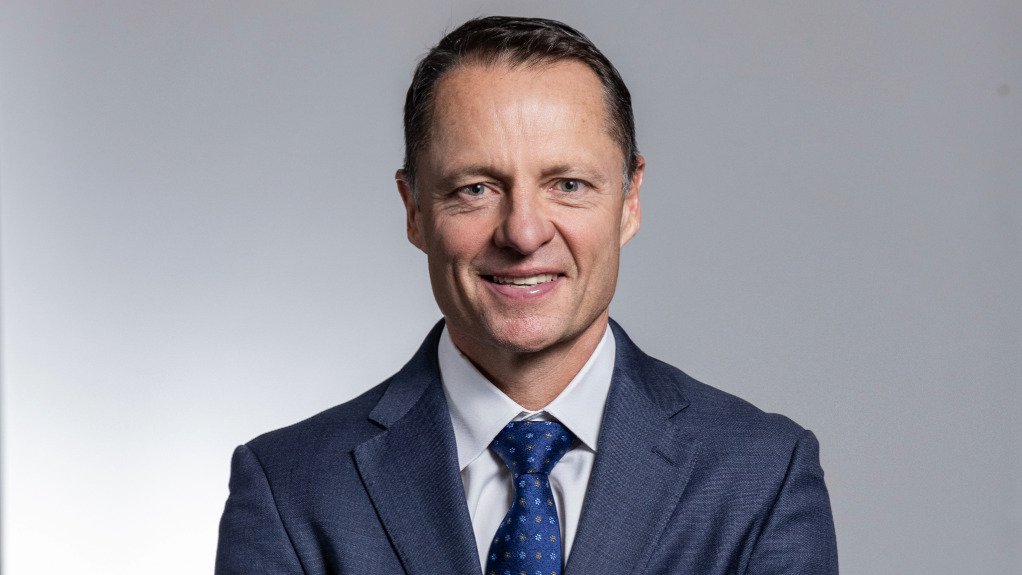
In a video published on Mining Weekly, Sean Evans, Executive Vice President for Mining and Metals at Standard Bank Corporate and Investment Banking said Africa’s mining industry is expected to attract increased investment over the next three to five years, driven by geopolitical shifts and growing competition for critical mineral supplies.
For Zimbabwe, the trend presents significant opportunities, particularly in lithium, where the country has positioned itself as a major player through large-scale investments in mining and value addition projects.
“Standard Bank is also seeing growing interest in other critical minerals, including lithium, graphite and rare earths, with opportunities emerging in Zimbabwe, Tanzania and Namibia,” said Evans.
The remarks come as Zimbabwe continues to attract investment into lithium processing and beneficiation, part of a broader government strategy to maximise value from the country’s mineral resources and increase export earnings.
Beyond lithium, investor appetite for gold remains strong, supported by record deliveries and continued expansion in both large-scale and artisanal mining operations. Across Africa, gold has attracted considerable attention from investors seeking stable commodities amid global economic uncertainty.
However, Evans cautioned that attracting finance requires more than mineral potential alone.
The quality of mineral deposits, including grade, metallurgy and production economics, plays a critical role in determining whether projects can secure funding. He noted that investors also examine policy stability, security of tenure, transparency and the ability to repatriate funds before committing capital.
“A high-quality orebody enables us to get out of trouble if we see a commodity price dip and we can ride it out,” he said.
Infrastructure remains another major hurdle for many African mining jurisdictions, including Zimbabwe. Challenges relating to power supply, transport networks and water availability can significantly affect project viability and investment decisions.
Evans also highlighted the need for increased mineral exploration across the continent to ensure a pipeline of new mining projects.
He said governments can encourage exploration by streamlining licensing processes, improving transparency and making geological information more accessible to investors.
The executive further noted growing interest from development finance institutions and export credit agencies in supporting mining projects through blended financing structures that combine commercial funding with political and commercial risk mitigation.
“We are starting to see a lot of interest from DFIs to invest or to start putting money behind these mining projects,” he said.
For Zimbabwe, the combination of abundant mineral resources, growing beneficiation capacity and rising global demand for critical minerals positions the sector to attract more investment. However, industry analysts say continued improvements in infrastructure, policy consistency and exploration activity will be essential to converting investor interest into long-term mining projects.
“It’s all about getting the basics right, keep working at all of these key factors that drive the mining industry and sector, and I think the African continent’s got a very bright future in terms of servicing the world’s critical mineral needs,” Evans said.